
- 0
- 1,774 word
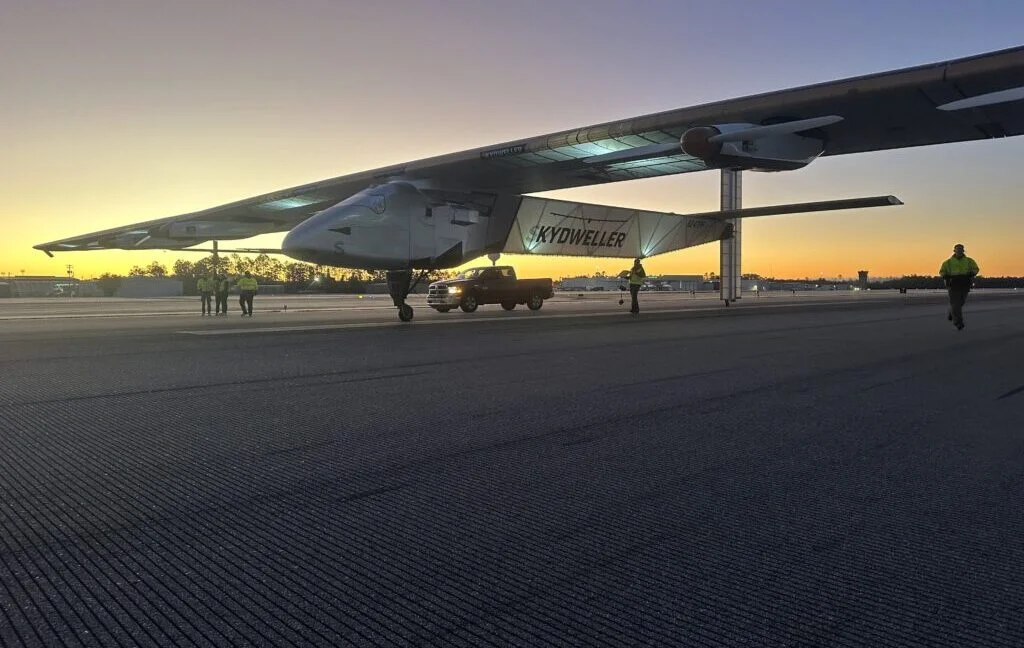
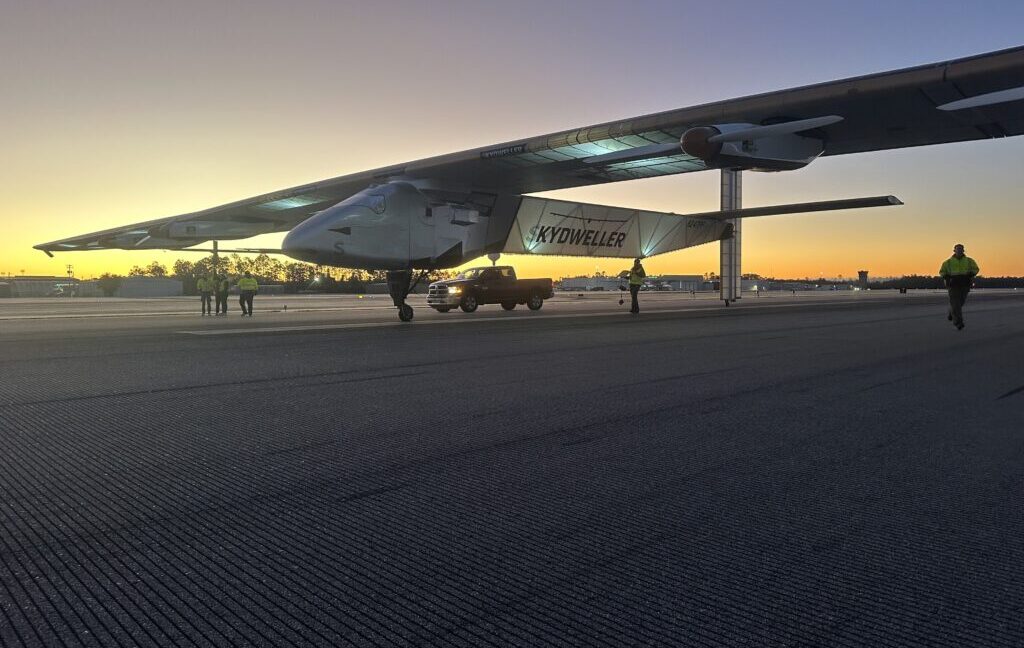
The skies recently witnessed the dramatic conclusion of a remarkable chapter in aviation history. Skydweller Aero’s innovative solar-powered drone, a technological marvel that once graced the skies with wings as vast as a Boeing 747, has been lost at sea following an ambitious, record-breaking eight-day flight. This unfortunate event not only marks the final flight of this specific aircraft but also signifies a poignant end to the lineage of the pioneering Solar Impulse 2, an aircraft that previously etched its name in the annals of aviation by completing the world’s first solar-powered circumnavigation of the globe.
The loss of the Skydweller drone, which occurred in early May, brings to a close a significant period of testing and development for a technology that promised to redefine long-endurance aerial surveillance and communication. While the aircraft’s operational capabilities were being rigorously evaluated in complex maritime patrol scenarios with the U.S. military, its journey ended abruptly, leaving behind a legacy of groundbreaking achievements and crucial lessons learned.
A Testament to Solar Innovation: The Skydweller’s Design and Capabilities
The carbon-fiber behemoth, formerly known as Solar Impulse 2, was a testament to human ingenuity in harnessing renewable energy for flight. Its colossal 236-foot (72-meter) wingspan, comparable to that of a Boeing 747 jumbo jet, was meticulously covered with over 17,000 solar cells. This vast solar array powered the aircraft, allowing it to remain airborne for extended periods, supplemented by sophisticated battery systems.
Skydweller Aero acquired and significantly modified the original Solar Impulse 2, transforming it into a cutting-edge test platform. The company’s vision was to achieve "perpetual uncrewed flight," a capability that could revolutionize aerial operations. The drone was designed to carry a substantial payload of up to 800 pounds (363 kilograms), making it suitable for a wide range of military and civilian applications, from intelligence gathering and surveillance to communication relay and potentially even light cargo transport.
The aircraft’s ability to sustain flight solely on solar power and stored energy represented a significant leap forward in sustainable aviation. It offered the potential for reduced operational costs, minimized environmental impact, and unprecedented mission endurance, unconstrained by traditional fuel limitations.
A Mission of National Security: Skydweller’s Role in U.S. Military Operations
Skydweller Aero had cultivated strong ties with various branches of the U.S. military, securing contracts with the Navy and the Air Force. The company was actively engaged in test flights designed to showcase the drone’s utility in maritime patrol mission scenarios. These exercises were crucial for demonstrating the practical application of persistent, solar-powered aerial assets in safeguarding national interests.
The final flight of the Skydweller drone commenced in the early morning hours of April 26, with its intended operational theater being the complex maritime environment off the coast of Florida. This mission was not merely a routine test; it was an integral part of the U.S. Navy’s annual Fleet Experimentation (FLEX) exercises.
Fleet Experimentation (FLEX) 2026: A Crucible for Innovation
The FLEX exercises, held near Key West, Florida, provided a realistic and demanding environment for testing advanced technologies. According to a Skydweller Aero blog post, the drone departed from Stennis International Airport in Mississippi to join these critical trials. The U.S. Navy’s press release described FLEX 2026 as a pivotal event focused on evaluating artificial intelligence and drone technologies for maritime patrols, specifically in the context of combating "transnational organized crime."
During its participation in FLEX, the Skydweller drone demonstrated its advanced sensor capabilities. It employed a combination of radar, visual, and thermal imaging to monitor targets on the water’s surface over four consecutive days of flight. This persistent surveillance capability is invaluable for maritime domain awareness, allowing for the detection and tracking of illicit activities, such as smuggling and illegal fishing.
Furthermore, the drone served as a crucial communications hub, acting as an airborne platform for relaying information between Navy aircraft and warships. This enhanced communication infrastructure is vital for coordinating operations and ensuring seamless information flow in complex naval engagements. The drone also supported the tracking of vessels through AIS (Automatic Identification System) transponder data, providing a comprehensive picture of maritime traffic in the area.
The "Sophisticated Kill Chain" and the Shadow of Lethal Strikes
The Navy’s participation in FLEX highlighted the demonstration of a "sophisticated kill chain," a multi-stage process involving the integration of commercial drones with crewed U.S. military helicopters and naval assets like the Freedom-variant littoral combat ship USS Wichita. In a simulated scenario, these assets were tasked with finding, fixing, tracking, and targeting a captured drug boat, culminating in "kinetic engagements destroying several captured drug boats."
While the specific role of the Skydweller drone in this particular drug boat scenario remains unclear, its presence as part of the broader exercise underscores its potential contribution to such operations. Ars reached out to the U.S. Navy for comment on this aspect of the exercise.
This demonstration occurred against a backdrop of increased U.S. Southern Command (SOUTHCOM) operations. Since September 2025, SOUTHCOM has conducted dozens of "lethal kinetic strikes" against alleged drug boats operating in the Caribbean and Pacific. These strikes, which have resulted in approximately 194 fatalities to date, according to the nonprofit think tank InSight Crime, have drawn significant criticism from legal and human rights experts who argue they may violate domestic and international law. The context of these strikes adds a somber layer to the military applications being tested by advanced drone technology.
Charting a Course Through Adversity: The Drone’s Extended Flight
Following the formal conclusion of the Navy exercise on April 30, the Skydweller drone did not immediately return to base. Instead, it embarked on a period of demonstrating "extended operational and airspace flexibility within the SOUTHCOM area of responsibility." This extended phase saw the drone flying between Cuba and Mexico’s Yucatan Peninsula, further showcasing its endurance and range.
The aircraft eventually positioned itself south of Cuba and north of the Cayman Islands. This strategic location was chosen to await a period of unfavorable weather, a common challenge for all aircraft, especially those relying on solar power.
Encountering the Fury of Nature: The Final Hours
By the night of May 3, the Skydweller drone encountered severe weather conditions that would ultimately prove insurmountable. Skydweller Aero reported that the aircraft experienced "extreme vertical air mass variability exceeding 10 times typical climb and descent rates." This extreme turbulence, a significant challenge for any aircraft, placed immense strain on the drone’s systems and its ability to maintain stable flight.
Despite these harrowing conditions, the company emphasized that all aircraft systems remained nominal throughout the flight. This suggests that the failure was not due to a mechanical malfunction but rather a consequence of the overwhelming environmental forces. The critical factor, as explained by Skydweller Aero, was a "lack of energy reserves to deal with the extreme weather." In essence, the relentless demands of the turbulent atmosphere depleted the drone’s stored energy, preventing it from navigating safely through the storm.
A Controlled Descent and a Sunken Legacy
The final moments of the Skydweller drone were captured on the flight-tracking service Flight Radar 24. The aircraft was last seen north of Cancun, Mexico, in the early morning hours of May 4. Skydweller Aero described the event as a "controlled water ditching" around 6:30 am Eastern Time. This maneuver, designed to minimize damage and risk to life, involves intentionally landing an aircraft on water.

However, the drone’s advanced composite structure, while contributing to its lightness and efficiency in flight, rendered it non-buoyant. Consequently, after the controlled ditching, the aircraft "subsequently sank due to its non-buoyant composite structure," according to the company.
A Record-Breaking Farewell
Despite its ultimate demise, the Skydweller drone’s final flight was nothing short of historic. It had achieved a record-breaking duration of eight days and 14 minutes, a feat unmatched by any previous flight, whether as a crewed or uncrewed aircraft. This extraordinary endurance was a testament to the success of the modifications and the core design principles inherited from Solar Impulse 2.
Skydweller Aero commemorated the event as a validation of its "operational prototype" and a demonstration of "the practical military utility of a persistent, medium-altitude solar aircraft." Even in its loss, the drone had provided invaluable data and proven its potential in real-world military applications.
Echoes of the Past: The Solar Impulse 2’s Glorious Journey
The loss of the Skydweller drone inevitably brings to mind the remarkable achievements of its predecessor, Solar Impulse 2. Between 2015 and 2016, this groundbreaking aircraft completed the first solar-powered circumnavigation of the globe, a monumental undertaking that captured the world’s imagination.
During this epic journey, Solar Impulse 2 set a Guinness World Record for the longest duration flight in a solar-powered plane. Pilot André Borschberg commanded the aircraft for an astonishing 117 hours and 52 minutes, nearly five full days, during a single leg of the journey from Nagoya, Japan, to Hawaii. This record underscored the immense potential of solar aviation for long-distance, sustainable travel.
A Cultural Loss and a Glimmer of Hope
The unfortunate crash means that the Swiss Museum of Transport in Lucerne will not be able to display the historic aircraft as originally planned. An agreement had been in place with Skydweller Aero for the aircraft to become a museum exhibit, a prospect that would have allowed aviation enthusiasts to connect with a tangible piece of solar aviation history. This represents a significant cultural loss, unless future salvage operations prove successful.
However, the pioneering design and the lessons learned from the Skydweller’s development are likely to inspire future generations of solar-powered aircraft. Skydweller Aero has indicated that while no immediate replacement prototype is ready, the company is focused on "planned upgrades using existing technology." These enhancements aim to equip future solar-powered drones with improved resilience against extreme weather conditions, addressing a key factor in the recent loss.
The Future of Persistent Aerial Platforms
The Pentagon’s commitment to advancing drone warfare systems is substantial, with proposals for investments of at least $54 billion. This significant allocation of resources highlights the growing strategic importance of unmanned aerial vehicles for a wide range of military objectives.
The loss of the Skydweller drone, while a setback, does not diminish the promise of solar-powered aviation. Instead, it serves as a critical learning experience that will undoubtedly inform the development of more robust and resilient solar-powered aircraft. The pursuit of perpetual flight, powered by the sun, continues to be a compelling frontier in aviation, with the potential to shape the future of both civilian and military operations for decades to come. The legacy of Skydweller, though now resting at the bottom of the sea, will undoubtedly continue to inspire innovation and push the boundaries of what is possible in the skies.
Author

Related Posts

The CW and ESPN Solidify ACC Partnership Through 2031, Cementing Free Sports Access and Streaming Synergy
- 0
- 3,968 words
Main Facts The CW Network, in a significant move underscoring its aggressive expansion into live sports broadcasting, has announced a renewed sublicense...
Read out all
BitMar: A Digital Mirage Promising Legal Streaming, Delivering Deception
- 0
- 1,956 word
A closer examination of the online streaming service BitMar reveals a pattern of deceptive marketing and a business model that appears to...
Read out all
Detroit Pistons Forge Landmark Local Broadcast Deal with Scripps Sports, Bringing Games Back to Free Over-the-Air Television
- 0
- 2,085 words
DETROIT, MI – April 22, 2026 – In a move set to dramatically expand access for their devoted fanbase, the Detroit Pistons...

Broadcasting+Cable Hall of Fame Unveils Trailblazing 2025 Class: A Celebration of Enduring Influence and Innovation
- 0
- 3,003 words
NEW YORK, NY – The Broadcasting+Cable Hall of Fame, widely recognized as the preeminent industry event honoring the visionary leaders, groundbreaking innovators,...

The $300 Chip: Qualcomm’s Price Hikes Threaten to Push Android Flagships into a "Ludicrous Era"
- 0
- 2,325 words
San Diego, CA – May 13, 2026 – The escalating cost of a single, crucial component – the System-on-a-Chip (SoC) – is...
Read out all
Amazon Employees "Tokenmaxxing" AI Usage to Inflate Metrics, Raising Concerns Over Genuine Productivity and Costs
- 0
- 2,780 words
SEATTLE, WA – In a revealing development that underscores the complexities of integrating artificial intelligence into corporate workflows, Amazon employees are reportedly...
