
- 0
- 1,236 word
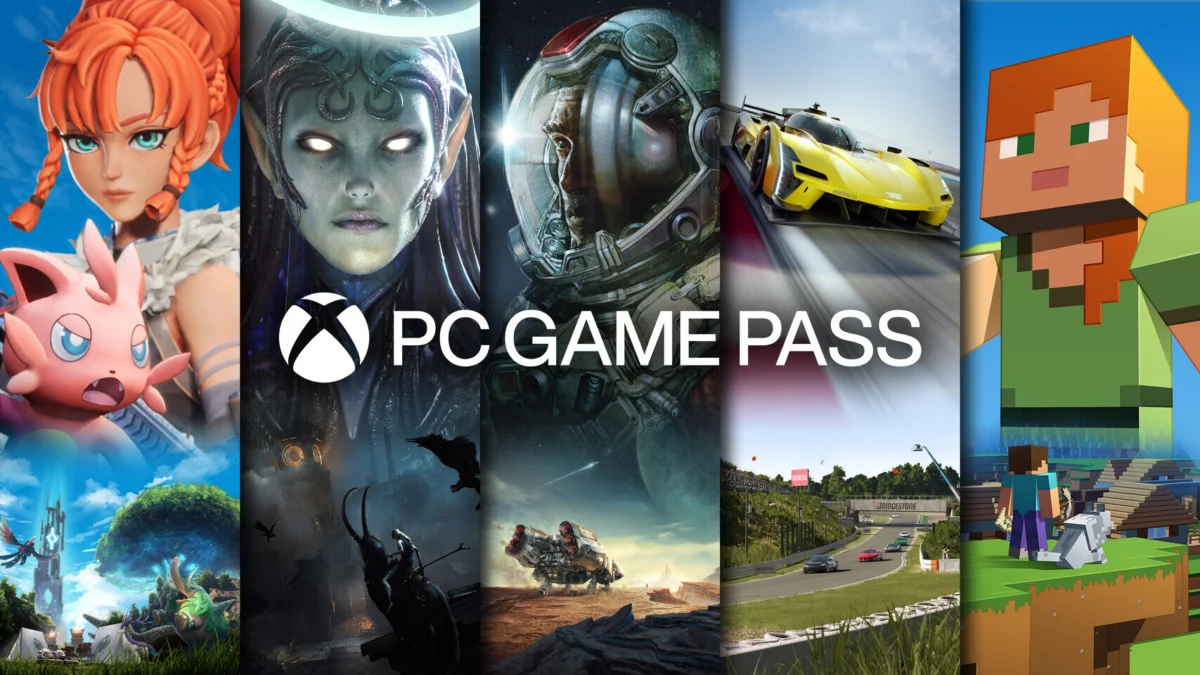
Since stepping into the role of CEO of Xbox Gaming, Asha Sharma has become the face of a radical transformation within the Microsoft gaming division. Moving away from the high-growth, high-cost acquisition strategy of the previous era, Sharma is steering the company toward a philosophy centered on user retention, accessibility, and aggressive market penetration.
Recent weeks have seen a flurry of strategic shifts, ranging from the introduction of budget-friendly entry points like the Discord Nitro-bundled "Starter Edition" to a recalibration of the premium Game Pass pricing model. However, the most compelling developments are occurring behind the scenes. According to recent reports from Windows Central, Microsoft is preparing to expand its influence into the lucrative Chinese market while simultaneously addressing the looming obsolescence of physical media through a project codenamed "Positron."
Main Facts: The Saluki and Positron Initiatives
The core of the current speculation revolves around two internal projects: "Saluki" and "Positron."
Project Saluki: Targeting the Chinese Gaming Landscape
Project Saluki represents Microsoft’s most ambitious attempt to capture the Chinese gaming demographic. China remains a complex, high-barrier market for console manufacturers, yet it has shown explosive growth for PC gaming platforms like Steam. By tailoring a specific set of Game Pass tiers to this region, Microsoft intends to leverage its cloud and software expertise to lower the barrier to entry for millions of Chinese gamers, potentially bypassing the historical challenges associated with console hardware adoption in the region.
Project Positron: Bridging the Physical-to-Digital Divide
Perhaps more significant for the global player base is Project Positron. As the industry trends toward digital-only hardware, the issue of "game preservation" and consumer rights regarding physical media has reached a boiling point. Positron is reportedly an internal entitlement program designed to allow users to convert their existing library of physical disc games into digital licenses. This move is widely interpreted as a precursor to a diskless next-generation Xbox console, ensuring that users do not lose their historical library when hardware transitions occur.
Chronology: A Rapid Shift in Strategy
The trajectory of Xbox under Asha Sharma has been characterized by speed and responsiveness to market feedback. The following timeline outlines the evolution of this new strategy:
- Early 2024: Asha Sharma assumes leadership, signaling a shift toward sustainable growth and maximizing the utility of the existing Game Pass ecosystem.
- Mid-2024 (The Pricing Pivot): Microsoft announces a strategic reduction in the pricing of its "full-fat" Game Pass Ultimate, a direct response to consumer sentiment regarding the perceived value of the subscription service.
- Late 2024 (The Bundling Experiment): In a bid to capture younger demographics and casual gamers, Xbox launches the "Starter Edition," bundled at $9.99 per month with Discord Nitro, effectively gamifying the subscription entry point.
- Current Quarter: Leaks regarding Project Saluki and Project Positron emerge, indicating that the company is looking toward long-term structural changes rather than just short-term marketing adjustments.
Supporting Data: The Economics of Accessibility
The shift toward a more tiered subscription model is rooted in hard data. Microsoft’s internal metrics have increasingly highlighted that the "all-or-nothing" approach to Game Pass—while successful in the early stages—faced a ceiling in terms of market penetration.
By diversifying the tiers, Xbox is effectively performing a "segmentation analysis." The "Starter Edition" targets price-sensitive consumers, while the core service remains the anchor for high-engagement users. The introduction of regionalized pricing through Project Saluki is designed to tap into a market where PC gaming dominance often precludes console ownership.
Furthermore, the impetus for Positron is supported by the sustained reliance on backwards compatibility. Millions of Xbox users continue to play legacy titles from the original Xbox, Xbox 360, and Xbox One eras. By providing a pathway to digitalize these discs, Microsoft is not only adding value to its service but also reducing the "churn" associated with hardware upgrades. If a user knows their physical library will carry forward into a digital-only future, they are statistically more likely to remain within the Microsoft ecosystem.

Official Responses and Corporate Positioning
While Microsoft has maintained a policy of not commenting on "rumors or speculation," the executive team has been vocal about the direction of the platform. In recent investor calls and public addresses, leadership has consistently emphasized "Quality over Quantity" and "Accessibility over Exclusivity."
Recent communications from Xbox executives have hinted that the future of the platform is "device-agnostic." The emphasis on Game Pass is no longer just about the Xbox console; it is about ensuring that the Xbox experience is available on mobile, smart TVs, and low-end PCs. The leaked initiatives, specifically Saluki and Positron, align perfectly with this narrative. By decoupling the experience from the hardware, Microsoft is preparing for a post-console world where the service is the console.
Implications: What This Means for the Industry
The implications of these developments are profound, both for the end-user and the broader gaming industry.
1. The Death of the Disc Drive
If Project Positron reaches fruition, it will effectively signal the end of the optical drive in future Xbox hardware. This is a massive shift that will impact retailers like GameStop and Best Buy, whose business models rely heavily on physical trade-ins and used-game sales. The transition will require Microsoft to navigate complex licensing agreements with third-party publishers, who may be wary of allowing "disc-to-digital" conversions that could cannibalize new digital sales.
2. Global Market Realignment
Project Saluki is a direct challenge to the status quo in Asia. By creating a custom ecosystem for China, Microsoft is acknowledging that a "one-size-fits-all" global subscription model is insufficient. If successful, this could serve as a blueprint for expansion into other emerging markets where local regulations and economic conditions make standard pricing models untenable.
3. Strengthening the "Walled Garden"
The strategy is clear: once a user is inside the Game Pass ecosystem, the switching costs become prohibitively high. By offering digital conversion for physical discs, Microsoft is essentially inviting the user to "lock in" their library to their Microsoft account. This strengthens the brand loyalty that Asha Sharma has been tasked with cultivating.
4. Competitive Pressure on Sony and Nintendo
With Xbox aggressively lowering the cost of entry and expanding its reach, competitors are under increasing pressure to respond. Sony’s PlayStation Plus remains a robust service, but it lacks the aggressive, day-one release strategy that Microsoft has championed. If Microsoft successfully implements a "disc-to-digital" program, it will create a feature gap that PlayStation will be forced to address, likely leading to a new arms race in user-centric service features.
Conclusion: A Vision for the Long Term
The tenure of Asha Sharma as Xbox CEO is shaping up to be defined by a pragmatic, data-driven approach to the platform’s future. By identifying the friction points in the user journey—price, regional accessibility, and hardware obsolescence—Xbox is taking bold steps to ensure its longevity.
While Projects Saluki and Positron remain unconfirmed, their existence speaks to a company that is looking five to ten years into the future. Whether these initiatives succeed will depend on how effectively Microsoft can negotiate with its publishing partners and how well it can communicate the value of a digital-only ecosystem to a community that still deeply values physical media. One thing is certain: under the current leadership, Xbox is not interested in standing still; it is actively rewriting the rules of the gaming subscription economy. As the industry watches, the "new" Xbox is rapidly becoming an entity that prioritizes the gamer’s digital legacy as much as its own profit margins.
Author

Related Posts

MercurySteam Initiates Workforce Reductions: A Sobering Moment for the Spanish Games Industry
- 0
- 1,154 word
The global video game industry continues to grapple with a period of intense volatility and structural realignment. This week, the veteran Spanish...
Read out all
Capcom’s Strategic Blueprint: Sustaining Growth Through Legacy and Innovation
- 0
- 1,256 word
In the high-stakes landscape of the modern video game industry, few publishers have managed to maintain a trajectory as consistently impressive as...
Read out all
The Architect of Immersive Worlds: Why Ken Levine’s ‘Judas’ is Rewriting the Rules of Narrative Design
- 0
- 1,305 word
The gaming industry is often defined by cycles of technological leaps—ray tracing, 8K resolutions, and photorealistic asset streaming. However, for Ken Levine,...
Read out all
The GTA 6 Pre-Order Frenzy: Why Retail Data Has Fans Holding Their Breath
- 0
- 1,302 word
It has been less than 48 hours since the feverish Grand Theft Auto community collectively convinced itself that Rockstar Games was on...
Read out all
The "Rat" Meta: How Arc Raiders’ Free Loadout System Challenges the Core of Extraction Shooters
- 0
- 1,161 word
In the high-stakes world of extraction shooters, the tension is supposed to be the point. You load into a map with your...
Read out all
Review: Asus Prime Z890-P Wi-Fi – A Functional Entry Point into Intel’s New Era
- 0
- 1,210 word
As the landscape of PC building shifts with the arrival of Intel’s latest Core Ultra processor lineup, the motherboard market is undergoing...
Read out all