
- 0
- 1,256 word
In the high-stakes landscape of the modern video game industry, few publishers have managed to maintain a trajectory as consistently impressive as Capcom. Following a stellar performance throughout the first half of 2026, the Osaka-based titan has provided a glimpse into its long-term corporate strategy. According to its latest financial reporting, Capcom intends to double down on a formula that balances the reliability of established franchises with the calculated risks of new intellectual property (IP).
For stakeholders and fans alike, the message is clear: Capcom is entering a phase of sustained, methodical expansion. By leveraging its "next engine of growth"—a multi-tiered approach encompassing sequels, remakes, ports, and brand-new experiences—the company is positioning itself to remain an industry darling for the foreseeable future.
The Pillars of Strategy: A Three-Pronged Approach
Capcom’s business model is no longer merely about releasing games; it is about the lifecycle management of its intellectual property. The company’s presentation slides, released alongside its latest financial results, highlight a sophisticated three-pronged strategy designed to maximize revenue and player engagement.
1. The Power of Legacy Franchises
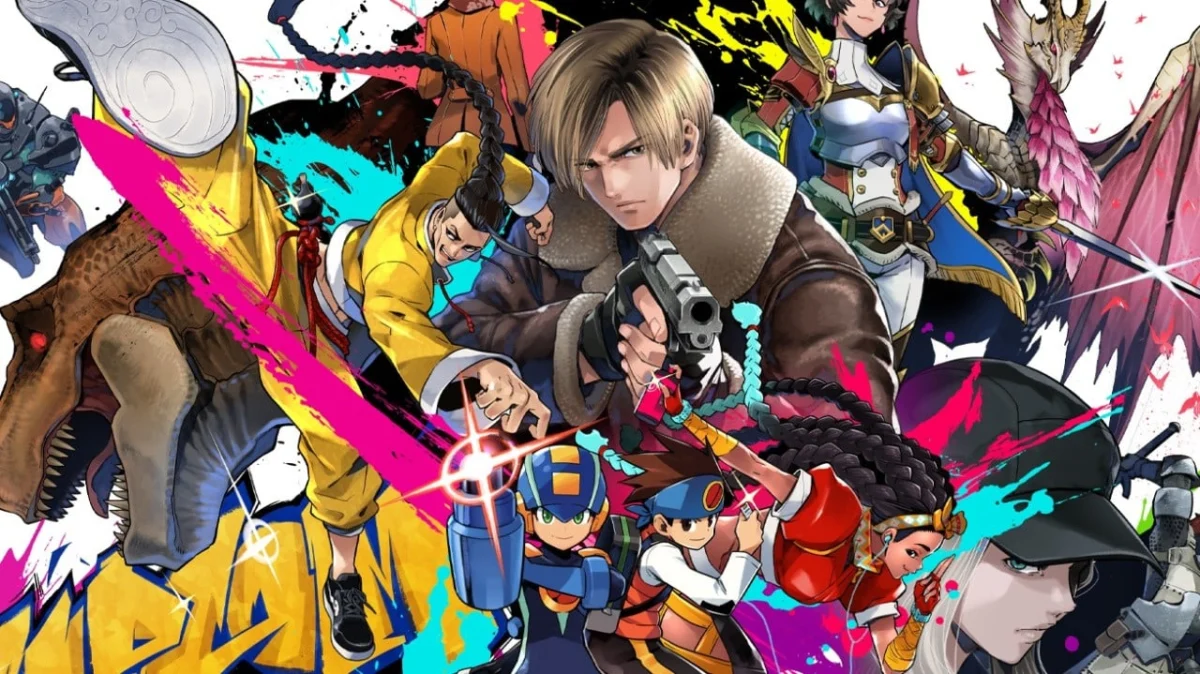
Capcom possesses one of the deepest libraries in gaming history. From the horror-steeped corridors of Resident Evil to the action-packed arenas of Devil May Cry, the company is leaning heavily into its heritage. The strategy involves not just new entries, but a rigorous cycle of remakes and ports that keep these brands visible and accessible to new generations of players. This "evergreen" strategy ensures that titles like Mega Man and Onimusha remain culturally relevant long after their original release windows.

2. The Innovation Engine: New IP
While sequels drive initial sales, Capcom recognizes that long-term survival requires fresh ideas. The success of Pragmata, which crossed two million units sold in a mere 16 days, validates the company’s commitment to new IP. By balancing the "known" with the "unknown," Capcom avoids the trap of creative stagnation, ensuring that its portfolio evolves alongside changing consumer tastes.
3. Digital Ecosystems and Post-Launch Support
Modern gaming demands more than a one-time transaction. Capcom’s recent financial disclosures emphasize the importance of ongoing post-launch support. The recent free content update for Resident Evil: Requiem, which introduced the "Leon Must Die Forever" minigame mode, exemplifies this. By maintaining active communities through consistent updates, Capcom effectively extends the lifespan and value of its products.
A Chronology of 2026: A Year of Sustained Momentum
The first half of 2026 has been defined by a rapid-fire succession of high-profile releases. This velocity is central to Capcom’s financial performance, ensuring that there is a constant stream of content to sustain market interest.
- Q1 2026: The year kicked off with the release of Monster Hunter Stories 3: Twisted Reflection, which resonated with the series’ core fanbase while refining the turn-based mechanics that have defined the Stories sub-series.
- Early Q2 2026: Following the success of the Monster Hunter expansion, Capcom pivoted to the Mega Man franchise with the Mega Man Star Force: Legacy Collection. This title served to bridge the gap for fans awaiting the highly anticipated Mega Man: Dual Override, scheduled for release in 2027.
- Mid-Q2 2026: The release of Resident Evil: Requiem cemented the year’s strong performance, quickly becoming one of the best-selling titles in the company’s recent history.
- Late Q2 2026: The surprise success of Pragmata demonstrated that Capcom’s internal R&D remains potent, proving that original titles can still command massive market share in an environment dominated by sequels.
Data-Driven Growth: The Numbers Behind the Success
Capcom’s financial health is a testament to its disciplined IP management. The company has moved away from the "hit-or-miss" development model that once plagued the industry, opting instead for a data-driven approach that prioritizes high-quality, high-impact titles.

The case of Pragmata is particularly instructive. Reaching two million copies in just over two weeks is a milestone usually reserved for established sequels. That a new, original property achieved this feat suggests that Capcom’s marketing and brand-loyalty initiatives are working in tandem to lower the barrier of entry for new titles.
Furthermore, the company’s focus on ports and collections, such as the Mega Man Star Force series, provides high-margin revenue with relatively low development overhead. This allows Capcom to allocate more resources toward the "next engine of growth" projects—the high-budget, ambitious titles that define the company’s technological capabilities.
Official Stance and Corporate Vision
In its official investor relations documentation, Capcom has been transparent about its intent to nurture its leading brands. The company’s leadership views its intellectual property as a living asset, one that requires consistent "tending" to stay relevant.
"We are committed to our core franchises," the company noted in its latest IR presentation, "but we are equally dedicated to discovering the next generation of Capcom classics. Our strategy is not merely to increase volume, but to increase the value of each individual IP through thoughtful sequels, high-quality remakes, and a robust pipeline of entirely new, innovative experiences."

This stance is supported by the company’s recent performance, which has outperformed industry analysts’ expectations. By fostering a culture of internal development—relying on proprietary engines and established in-house creative teams—Capcom has managed to maintain a level of quality control that many of its competitors struggle to emulate.
Future Implications: What Lies Ahead?
Looking toward the remainder of 2026 and into 2027, the implications of Capcom’s strategy are significant for the broader gaming industry.
The Return of Dormant Legends
The explicit mention of Onimusha in recent financial documentation has set the rumor mill into overdrive. After years of silence, the return of this iconic series to the corporate priority list suggests that Capcom is looking to capitalize on the current market appetite for "retro-revivals." If the company applies the same level of care to Onimusha as it has to the Resident Evil remakes, it could potentially unlock a massive, untapped revenue stream.
Consolidation of the "Mega Man" Brand
With Mega Man: Dual Override on the horizon for 2027, Capcom is clearly positioning its mascot to return to the forefront of the industry. The Dual Override project is being treated as a flagship title, suggesting that the company is aiming for a AAA-tier launch that could redefine the action-platformer genre.

Market Leadership and Competitive Pressure
Capcom’s success creates an interesting dynamic for its competitors. While other publishers are struggling with rising development costs and the inherent risks of original IPs, Capcom’s model provides a blueprint for stability. By diversifying its output—mixing remakes for guaranteed returns with new IPs for long-term brand equity—Capcom is setting a high bar for excellence.
Conclusion: A Visionary Trajectory
As Capcom moves deeper into 2026, the company is not merely coasting on past successes; it is actively constructing the architecture of its future. The strategy is pragmatic, ambitious, and, most importantly, effective.
For the gaming community, this means a steady stream of high-quality titles that honor the past while embracing the future. Whether it is through the adrenaline-fueled corridors of a Resident Evil sequel, the intricate mechanics of Mega Man, or the enigmatic, genre-bending worlds of new projects like Pragmata, Capcom has proven that it knows how to play the long game.
The question now shifts from "Can Capcom continue to succeed?" to "What will they conquer next?" As the company continues to refine its "next engine of growth," the only certainty is that the gaming landscape will continue to be shaped by the creative output of one of its most storied publishers. Fans should keep a close eye on upcoming investor briefings, as the seeds being planted today will undoubtedly yield the blockbusters of tomorrow.
Author

Related Posts
The New Era of Xbox: Asha Sharma’s Strategic Pivot and the Future of Game Pass
- 0
- 1,236 word
Since stepping into the role of CEO of Xbox Gaming, Asha Sharma has become the face of a radical transformation within the...
Read out all
MercurySteam Initiates Workforce Reductions: A Sobering Moment for the Spanish Games Industry
- 0
- 1,154 word
The global video game industry continues to grapple with a period of intense volatility and structural realignment. This week, the veteran Spanish...
Read out all
The Architect of Immersive Worlds: Why Ken Levine’s ‘Judas’ is Rewriting the Rules of Narrative Design
- 0
- 1,305 word
The gaming industry is often defined by cycles of technological leaps—ray tracing, 8K resolutions, and photorealistic asset streaming. However, for Ken Levine,...
Read out all
The GTA 6 Pre-Order Frenzy: Why Retail Data Has Fans Holding Their Breath
- 0
- 1,302 word
It has been less than 48 hours since the feverish Grand Theft Auto community collectively convinced itself that Rockstar Games was on...
Read out all
The "Rat" Meta: How Arc Raiders’ Free Loadout System Challenges the Core of Extraction Shooters
- 0
- 1,161 word
In the high-stakes world of extraction shooters, the tension is supposed to be the point. You load into a map with your...
Read out all
Review: Asus Prime Z890-P Wi-Fi – A Functional Entry Point into Intel’s New Era
- 0
- 1,210 word
As the landscape of PC building shifts with the arrival of Intel’s latest Core Ultra processor lineup, the motherboard market is undergoing...
Read out all