
- 0
- 1,376 word
The PC speaker market is a landscape defined by endurance. While the peripheral industry often chases the fleeting nature of RGB trends and rapid-fire sensor updates, audio equipment remains a realm where "classic" status is earned through decades of consistent performance. Few names in this space carry the weight of Klipsch’s ProMedia series. Since the debut of the THX-certified ProMedia v2-400 4.1 system in 1999, the brand has been synonymous with high-fidelity PC sound. However, even the most beloved legends require evolution. The all-new Klipsch ProMedia Lumina 2.1 system represents the first significant design departure for the series in years, trading the utilitarian aesthetic of the early 2000s for a sleek, modern, and backlit profile. But does this visual refinement translate to audio excellence, or has the "Lumina" branding prioritized style over substance?
The Evolution of an Icon: Main Facts and Design Philosophy
The ProMedia Lumina enters the market at a retail price of $380—though currently available at a discounted $319.99—aiming to bridge the gap between audiophile-grade PC components and the aesthetic expectations of the modern gaming battlestation.
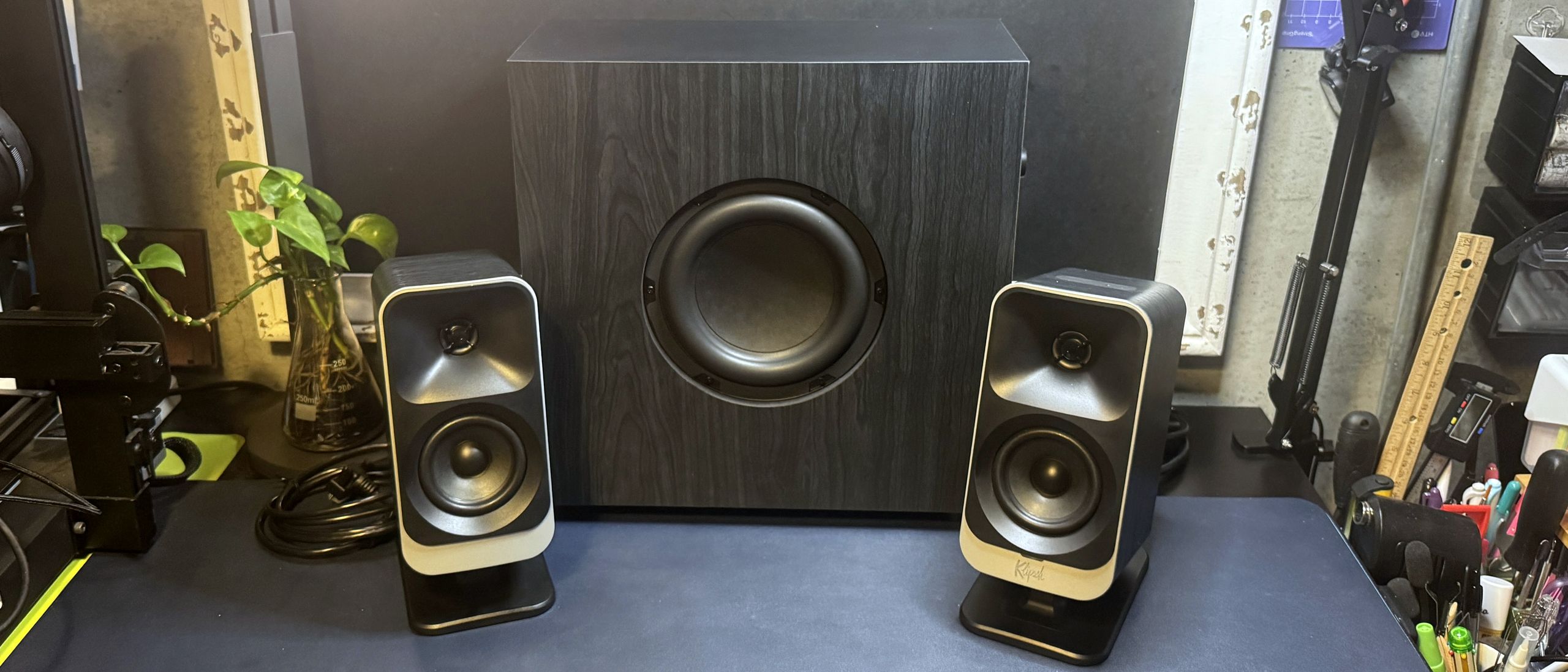
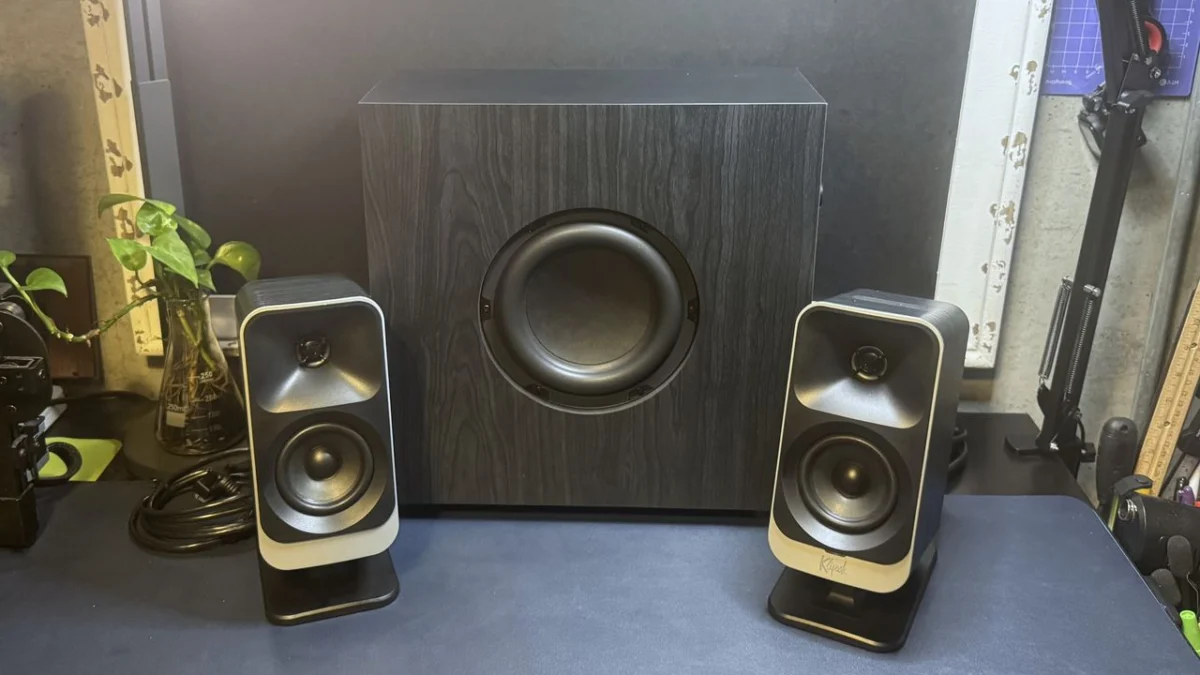
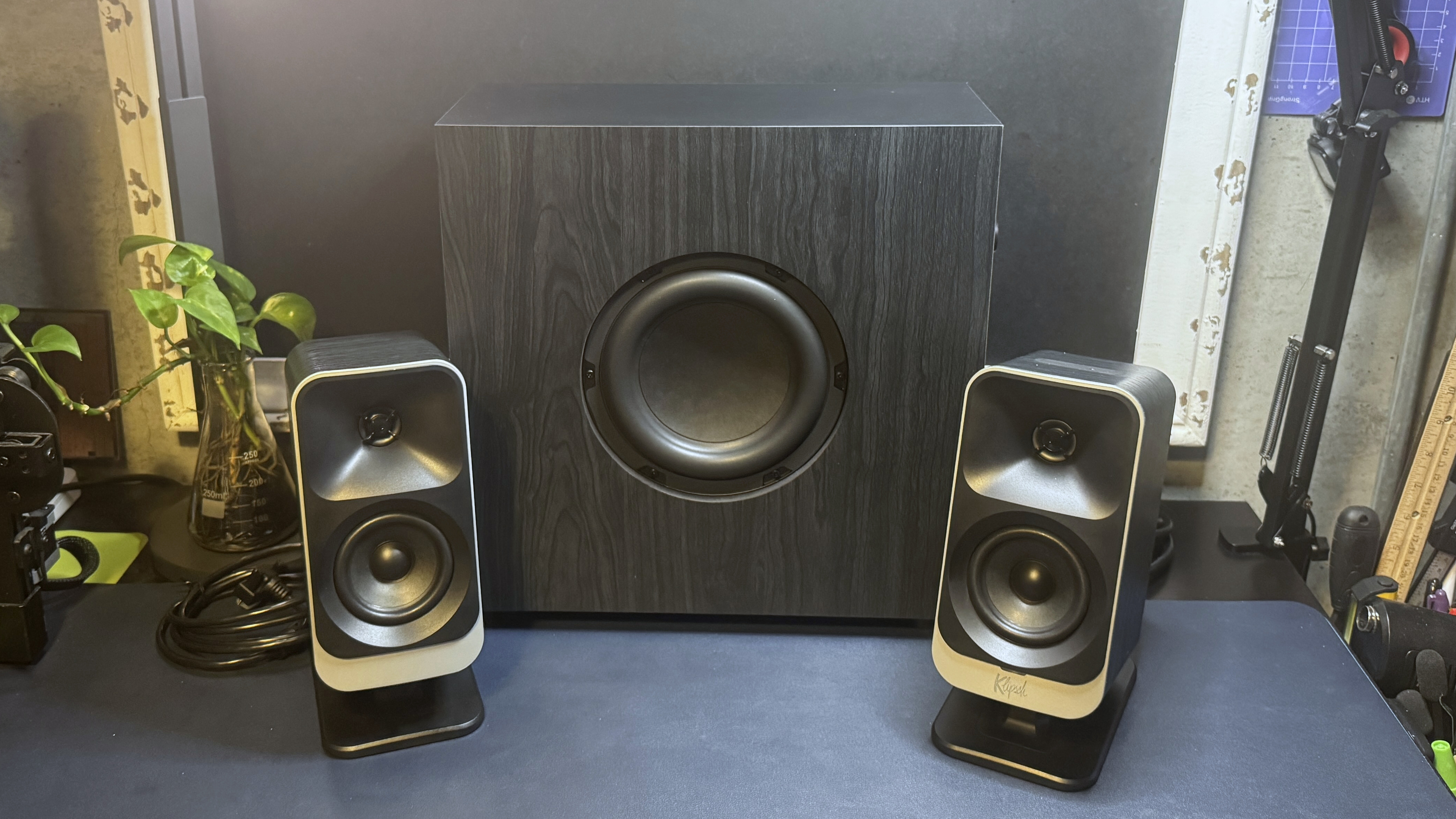
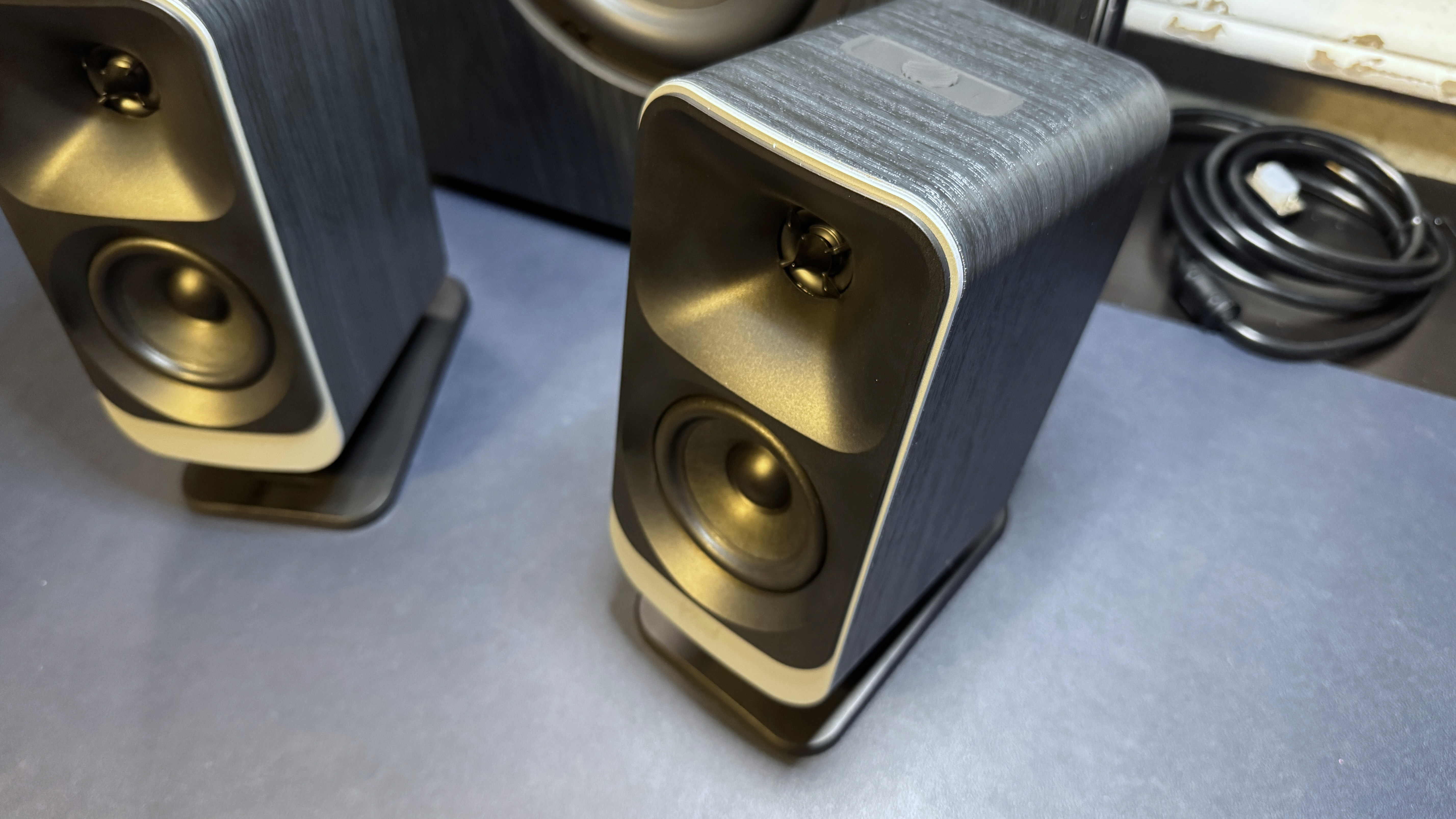
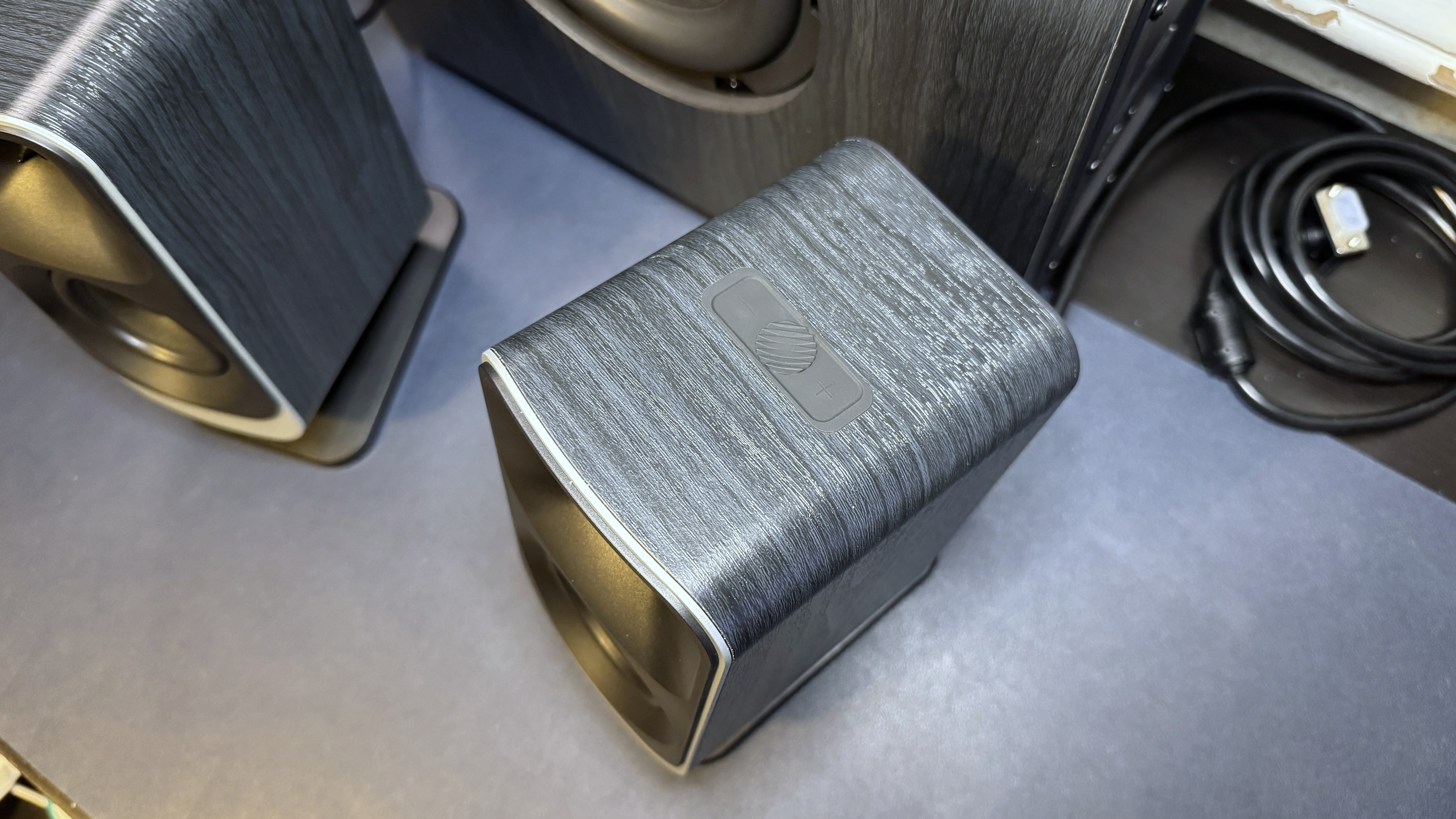
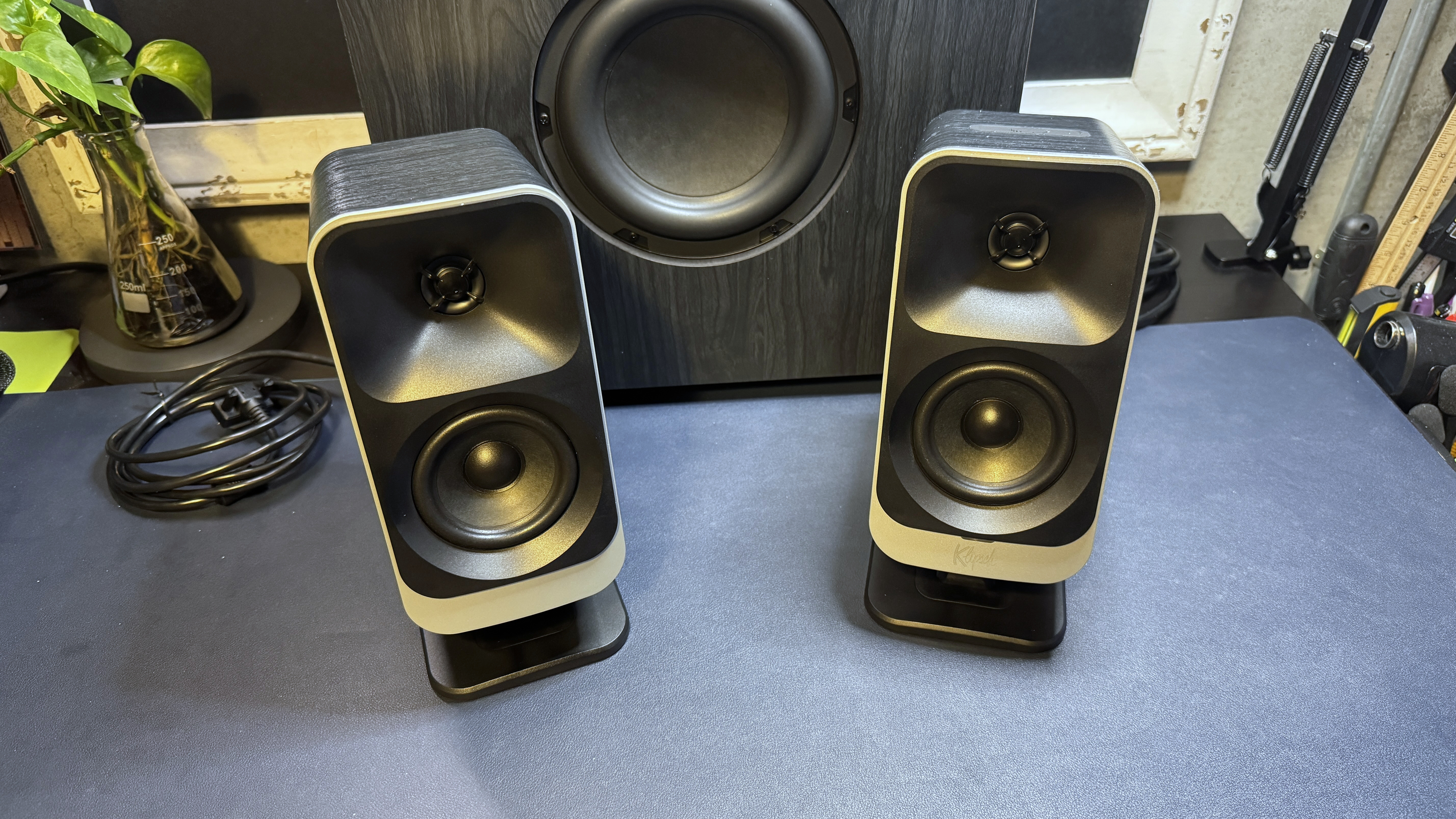
The most immediate change is the industrial design. Gone are the somewhat stark, utilitarian boxes of the original ProMedia 2.1. The Lumina system features two primary satellite speakers housed in a refined, boxy, angular frame. Each satellite is finished with a sophisticated faux-woodgrain vinyl wrap, accented by matte black drivers and a subtle silver trim. It is a look that successfully transitions from a "gaming accessory" to a "bookshelf monitor," making it a versatile addition to both professional workspaces and enthusiast gaming setups.
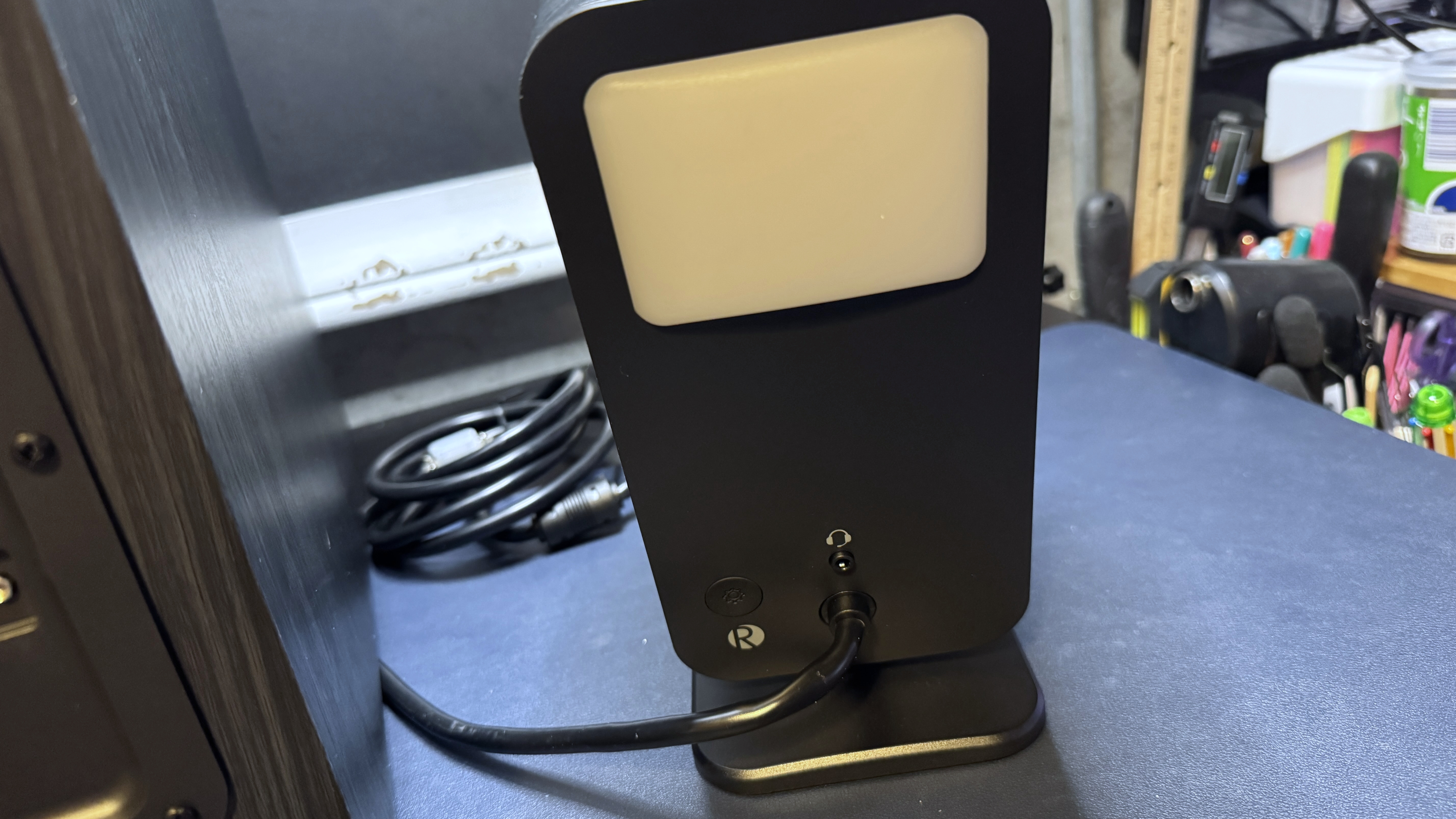
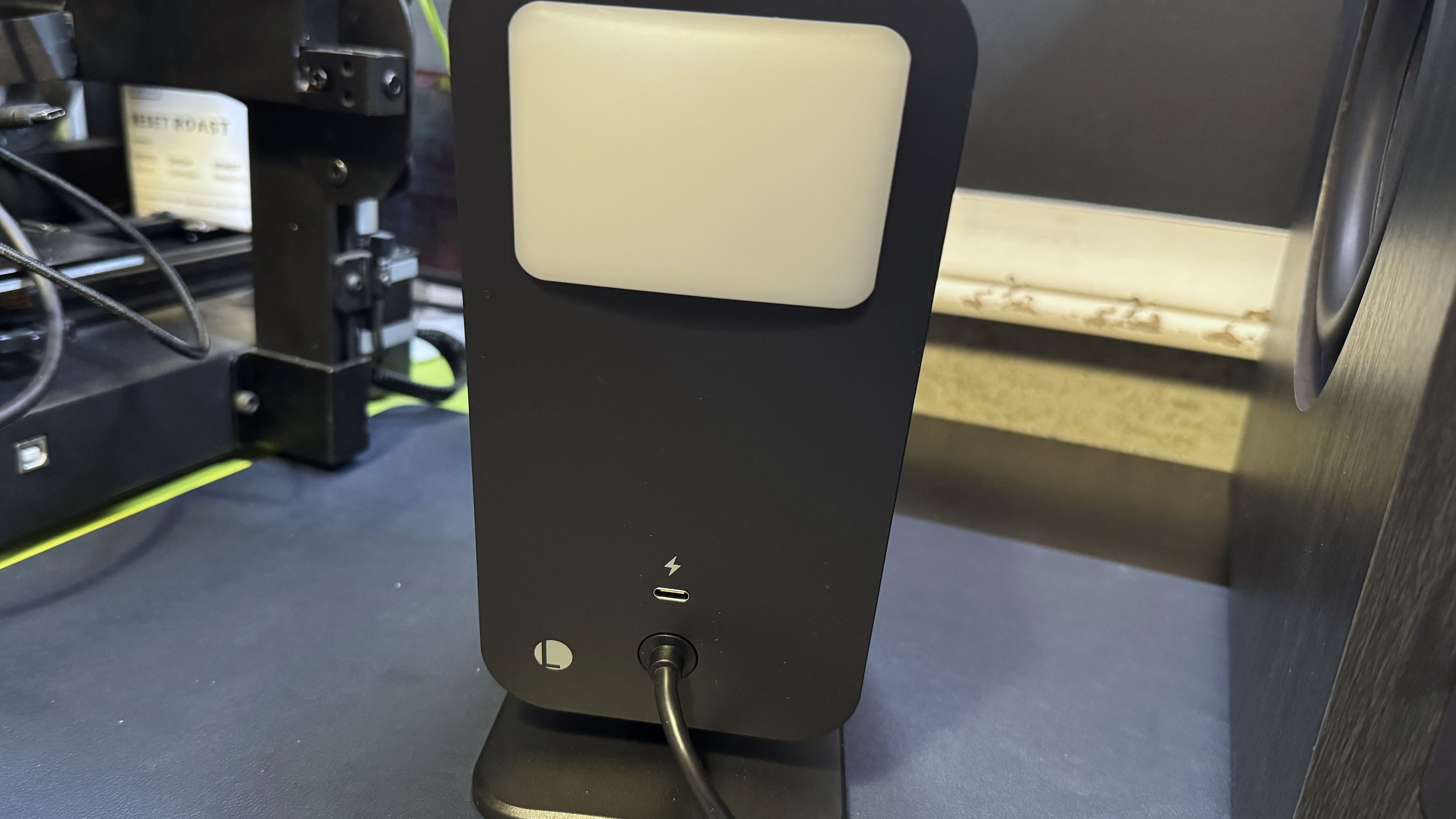
Beyond the chassis, the Lumina introduces integrated backlighting. Located on the rear of each satellite is a 3 x 2.5-inch LED array containing six individual diodes. This provides a diffused, ambient glow that illuminates the wall behind the speakers—a standard but welcome feature in the current peripheral market. Coupled with a new, slimmed-down subwoofer that stands roughly 14 inches tall and just 6 inches wide, the entire system occupies significantly less physical footprint than its predecessors, addressing the primary concern of modern, space-constrained desk users.
A Chronology of the ProMedia Line
To understand the weight of the ProMedia Lumina, one must look at the lineage it succeeds. The Klipsch ProMedia series effectively defined the "PC Speaker" category at the turn of the millennium.
- 1999: Klipsch launches the ProMedia v2-400 4.1 system. It was the first PC speaker system to receive THX certification, setting a benchmark for power and clarity that forced competitors to rethink their entry-level offerings.
- 2001: The release of the ProMedia 2.1 system. This iteration solidified the brand’s dominance, offering a perfect balance of a high-output subwoofer and precise satellite performance. It remained the industry standard for nearly two decades.
- 2010s–2023: The series saw several "refresh" cycles. Most notably, the integration of Bluetooth connectivity allowed the speakers to transition from strictly PC-tethered devices to general-purpose home audio solutions. Despite these minor technical adjustments, the core aesthetic and structural design remained largely unchanged.
- 2024 (The Lumina Era): The launch of the ProMedia Lumina marks the first total redesign of the speaker cabinets and the subwoofer form factor, introducing modern connectivity (USB-C), software integration, and decorative LED elements.
Supporting Data and Technical Specifications
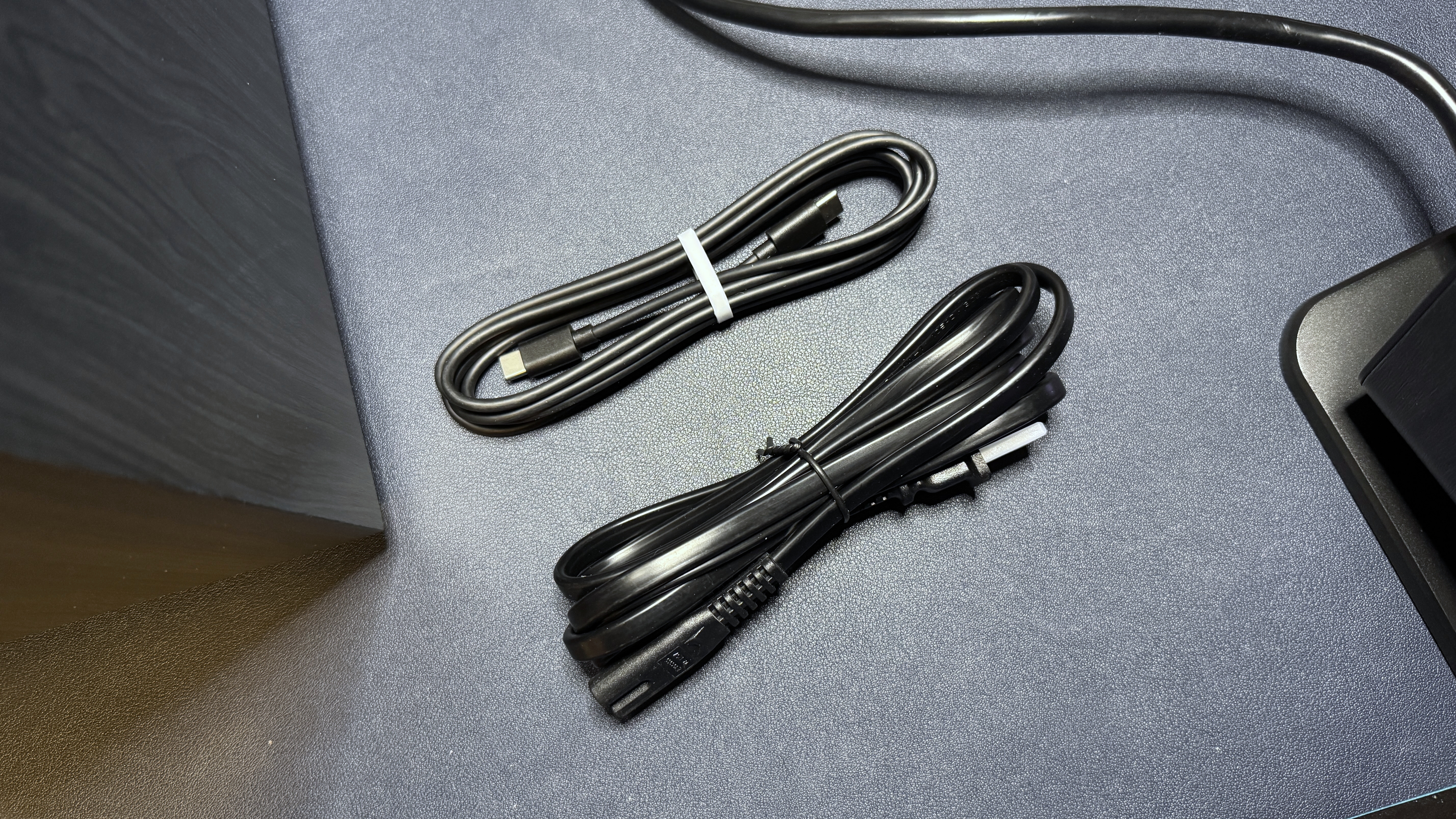
The Lumina system is a 2.1 configuration, meaning it consists of two satellites and a dedicated subwoofer. While it offers a versatile range of inputs—including Bluetooth 5.3, USB-C, and a 3.5mm auxiliary port—the system maintains a traditional wired connection architecture. Each satellite speaker is tethered to the subwoofer via a proprietary DB9 cable. While this ensures a secure connection, it poses challenges for users looking to manage cables cleanly, as the 6.5-foot cables are thick and relatively rigid.
Technical Specifications:
- Speaker Type: 2.1 System
- Satellite Drivers: 1-inch Mylar tweeter, 3-inch midrange driver
- Subwoofer: 6.5-inch side-firing woofer
- Frequency Response: 40 Hz – 20,000 Hz (@ -6dB)
- Signal-to-Noise Ratio (SNR): 98 dB
- Connectivity: Bluetooth 5.3, USB-C, 3.5mm AUX, Headset Passthrough
- Weight: 2.1 lbs per satellite; 11 lbs for the subwoofer
The inclusion of a 3.5mm headset passthrough and a USB-C charging port on the left satellite adds a layer of convenience for users who frequently switch between speakers and headphones, effectively turning the speaker system into a desktop peripheral hub.
Performance: The Midrange Victory and the Bass Deficit
When evaluating audio equipment, the "first impression" often comes down to the frequency balance. The ProMedia Lumina excels in the midrange and high-frequency registers. Testing with tracks such as K-391’s Lonely World reveals a vibrant, well-rounded soundstage. The mids are particularly present and dynamic, allowing for clear vocal separation and instrument layering.
Highs are handled with restraint; they are crisp and detailed without crossing into the "harsh" or "fatiguing" territory often found in cheaper gaming speakers. For gamers, this clarity is a distinct advantage. Positional audio cues—footsteps, gunshots, and environmental ambient noise—are rendered with high fidelity. However, the experience is not without a significant caveat: the low-end performance.
Despite the addition of a standalone 6.5-inch subwoofer, the "oomph" expected from a Klipsch 2.1 system is noticeably absent. Even when adjusting the gain knob on the rear of the subwoofer and utilizing the 6-band EQ in the Klipsch Control software, the bass lacks authority. It feels thin and detached from the satellites. In many instances, the lower-midrange performance of the satellite speakers does the heavy lifting, leading to the conclusion that the subwoofer is, at best, a minor supplement rather than a core component. Given that the proprietary cables prevent the user from swapping in a third-party subwoofer, this is a significant bottleneck for bass-heavy music or cinematic gaming experiences.
Software Integration: The Klipsch Control Ecosystem
A modern speaker system is only as good as its software, and here the ProMedia Lumina offers a mixed bag. The Klipsch Control app (available on PC and mobile) provides access to a 6-band equalizer, virtual surround sound toggles, and lighting customization.
The lighting, while limited compared to the robust ecosystem of a brand like Razer (e.g., the Nommo V2 Pro), offers a "screen react" mode that attempts to mirror the colors on your monitor. While it is a fun novelty, it is not as responsive or immersive as competitors. A standout feature, however, is the "Night Mode," which intelligently compresses the dynamic range and drops bass output by 50%. This is an excellent addition for users who share a home or apartment and need to keep volume levels in check during late-night sessions.
Implications for the Market
The ProMedia Lumina occupies a strange middle ground in the current market. At an MSRP of $380, it enters a highly competitive price bracket. When compared to the Razer Nommo V2 Pro, which offers more sophisticated lighting and arguably better-tuned audio for gaming, the Lumina struggles to justify its premium price tag.
The implication for the consumer is clear: the ProMedia Lumina is an aesthetic upgrade, not necessarily an acoustic one. The design is beautiful, the woodgrain finish is a mature touch, and the slim subwoofer is a godsend for small desks. However, if your primary goal is high-fidelity audio with thunderous bass, the original ProMedia legacy—or a dedicated 2.0 bookshelf monitor setup paired with a separate, high-quality subwoofer—may serve you better.
Final Verdict
The Klipsch ProMedia Lumina is a testament to the fact that you cannot simply "re-skin" a legend and expect it to hold the same weight as the original. The speakers sound good—objectively better than the average stock monitor speakers or budget-tier plastic sets—but they fall short of the high bar set by their predecessors.
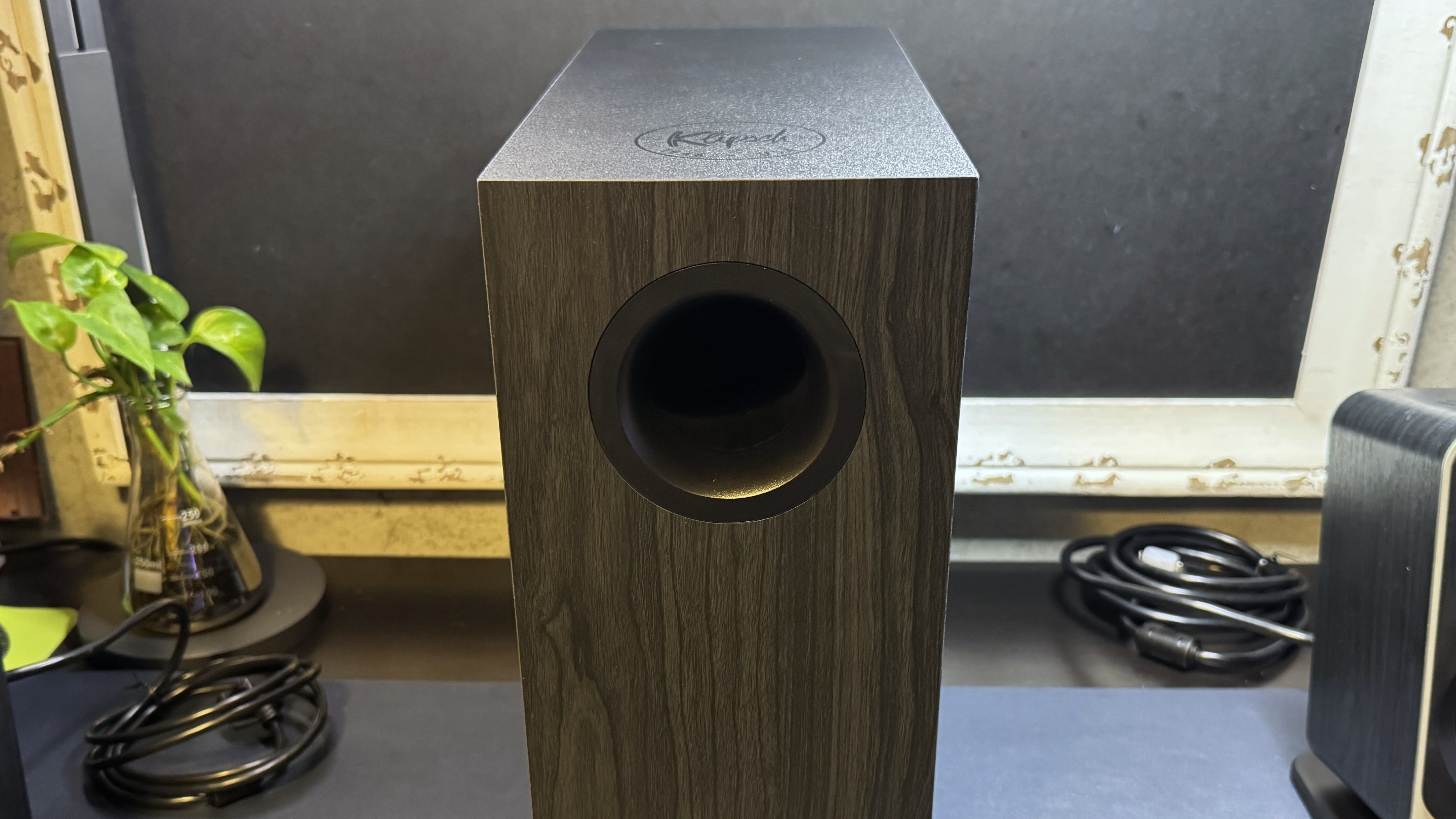
The system is a triumph of design, offering a sophisticated look that fits the modern home office perfectly. Yet, for nearly $400, the lack of a truly impactful low-end response and the limitations of proprietary cable connections hold the system back.
Pros:
- Sophisticated, premium design with attractive woodgrain finish.
- Significantly smaller footprint than previous ProMedia iterations.
- Excellent midrange clarity and crisp highs.
- Useful features like Night Mode and headset passthrough.
Cons:
- Subwoofer performance is lackluster and lacks power.
- Proprietary connections prevent third-party subwoofer upgrades.
- Expensive compared to more capable gaming-focused competitors.
- Lighting customization is basic compared to rivals.
Ultimately, the ProMedia Lumina is recommended for the user who prioritizes desk aesthetics and moderate, high-fidelity sound for general media and gaming. However, for the true audiophile or the bass-hungry gamer, the search for a perfect 2.1 system continues elsewhere.
Author

Related Posts
Kioxia Unveils the XG10 Series: A New Benchmark for PCIe 5.0 Client SSDs
- 0
- 1,279 word
In an era where data throughput demands are being pushed to their absolute limits by generative AI, high-fidelity gaming, and professional-grade workstation...
Read out all
Unleashing the Future of Connectivity: A Comprehensive Deep Dive into the NETGEAR Nighthawk RAXE500
- 0
- 1,161 word
In an era where the home network has become the backbone of both professional productivity and high-end entertainment, the demand for bandwidth...
Read out all
Balancing Performance and Price: A Comprehensive Review of the TP-Link Archer AXE75 Wi-Fi 6E Router
- 0
- 1,206 word
In an era where high-speed connectivity is the backbone of the modern home office, online gaming, and 4K streaming, the demand for...
Read out all
The Definitive Guide to Desktop PC Deals: Mid-May 2026 Edition
- 0
- 1,304 word
In the rapidly evolving landscape of personal computing, the barrier between high-end performance and budget-friendly accessibility continues to shift. As of mid-May...
Read out all
The Silent Bottleneck: How Photoresist Localization is Redefining the Semiconductor Supply Chain
- 0
- 1,119 word
As the global semiconductor industry pushes toward the physical limits of atomic-scale manufacturing at 2nm and beyond, the spotlight has shifted from...
Read out all
The Digital Bazaar: An Analysis of Consumer Behavior and Marketplace Trends in Early 2020
- 0
- 1,170 word
Introduction: The Anatomy of Modern Consumption In the early months of 2020, the landscape of global retail was undergoing a seismic shift....
Read out all