
- 0
- 1,257 word
As of May 15, 2026, the era of Jerome Powell at the Federal Reserve has officially entered a new, unprecedented chapter. Following eight years of navigating the U.S. economy through global pandemics, supply chain collapses, and shifting political winds, Powell’s tenure as Chair has concluded. However, in a move that has stunned financial circles and infuriated the White House, Powell has elected to remain on the Board of Governors as a rank-and-file member, defying the long-standing tradition of outgoing Chairs resigning their seats entirely.
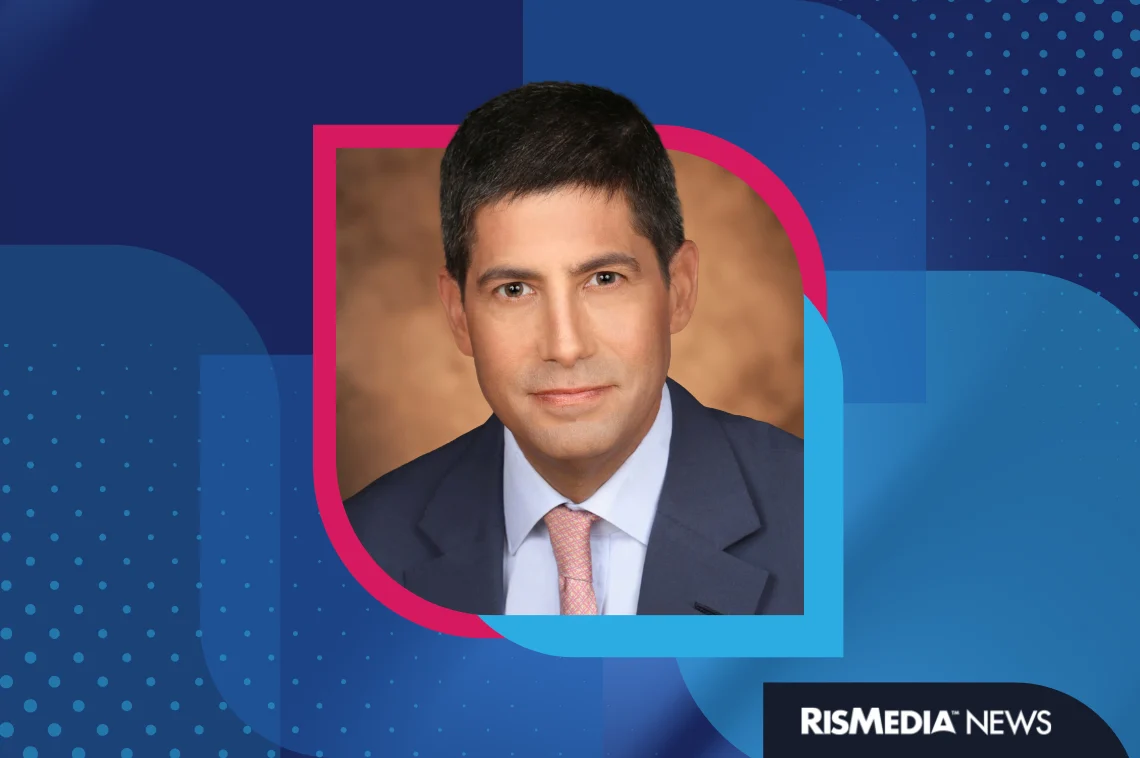
His successor, Kevin Warsh, steps into the role during one of the most precarious economic periods in modern American history. Confirmed by the Senate in a narrow 55-45 vote, Warsh faces the daunting task of balancing the Trump administration’s aggressive demands for lower interest rates against a stubborn inflationary environment fueled by geopolitical instability.
Chronology of a Contentious Succession
The path to this transition was marked by friction between the Executive Branch and the nation’s central bank.
- 2018: Jerome Powell is appointed by President Donald Trump to lead the Federal Reserve. Over the ensuing years, the relationship between the two would sour, with Trump publicly critiquing the Fed’s pace of interest rate adjustments.
- 2025 (December): Amidst speculation regarding his successor, reports emerge suggesting the White House expects an incoming Chair to prioritize rapid rate cuts. President Trump claims in a Wall Street Journal interview that his potential nominees had expressed alignment with this goal—a claim Warsh later disputes during his confirmation hearings.
- 2026 (April): The Senate holds a combative confirmation hearing. Democratic lawmakers grill Warsh on his independence from the White House, his private-sector history, and his policy philosophy.
- 2026 (May 13): The U.S. Senate confirms Kevin Warsh as the new Chair of the Federal Reserve.
- 2026 (May 15): Jerome Powell’s term as Chair expires. In a departure from precedent, he announces he will remain as a Governor, signaling his intention to maintain an influence on monetary policy.
The Macroeconomic Backdrop: Inflation and Geopolitical Strain
The primary headwind facing the incoming Warsh-led Fed is the persistence of inflation, which reached 3.8% according to the most recent Consumer Price Index (CPI) reading. This figure stands well above the Fed’s long-standing 2% target, creating a "policy trap" for the Federal Open Market Committee (FOMC).
Economists largely attribute this inflationary pressure to the ongoing U.S.-Iran conflict. The volatility in energy markets resulting from the conflict has acted as a tax on consumers and businesses, driving up costs across the supply chain. This supply-side inflation is notoriously difficult to combat through traditional interest rate manipulation, leading many experts to warn that the Fed’s toolkit may be ill-suited for the current environment.
Former Cleveland Fed President Loretta Mester, in a recent assessment, questioned the feasibility of the rate-cutting agenda championed by the administration. "I don’t see how Kevin can make that case," Mester stated, reflecting a growing consensus among former central bankers that the data simply does not support a dovish pivot. Even more concerning for investors, Boston Fed President Susan Collins has signaled that the FOMC may be forced into a "hike scenario" if inflationary pressures continue to mount throughout the summer.
Internal Division and Political Friction
The Federal Reserve is currently defined by a sharp divide. Within the FOMC, members remain split on the optimal path forward. While board member Stephen Miran—a Trump appointee—has consistently advocated for lowering borrowing costs to stimulate the labor market, other members have argued that such a move would risk de-anchoring inflation expectations.
This partisanship has bled into the legislative arena. The 55-45 Senate confirmation vote for Warsh was largely split along party lines, with Pennsylvania Senator John Fetterman standing as the sole Democrat to support the nominee. The contentious nature of these proceedings underscores the intense scrutiny Warsh will face regarding his independence. Throughout his hearings, Warsh was forced to repeatedly distance himself from the President’s stated expectations, emphasizing his commitment to the Fed’s dual mandate rather than political directives.
The situation is further complicated by Powell’s refusal to step down entirely. By remaining on the board, Powell preserves a voting seat that would otherwise allow the Trump administration to appoint another ally, potentially creating a "shadow chair" dynamic. President Trump has already issued warnings, claiming he will move to fire Powell if he does not vacate the seat, setting the stage for a potential legal and constitutional showdown regarding the independence of the Federal Reserve.
Implications for the Housing Sector and Financial Markets
For the housing industry, the transition to Warsh is being watched with a mix of cautious hope and significant anxiety. Selma Hepp, Chief Economist at Coality, highlights that the impact of a Warsh-led Fed will likely be felt more through communication strategies than immediate policy shifts.
"Generally, a Warsh-led Fed could be modestly more dovish on rates, anchored by productivity optimism, while still carrying a hawk’s credibility," Hepp noted. "However, the risk for housing is that affordability remains trapped: rates may ease only gradually while prices stay elevated due to limited supply."
Hepp suggests that the housing market requires consistency more than a specific rate level. If Warsh can successfully steer the Fed toward a predictable policy framework, the resulting stability could allow builders and lenders to plan with greater confidence. Conversely, if his tenure is marked by the volatility suggested by some analysts—particularly regarding his views on reducing the Fed’s balance sheet—mortgage rates could remain erratic, further discouraging prospective homebuyers.
Expert Perspectives and Future Outlook
The prevailing sentiment among independent economists is one of skepticism regarding the "rate-cut" narrative. Conservative commentators, such as Eric Bolling, have joined former advisors like Steve Bannon in suggesting that the market should prepare for a "higher-for-longer" reality. These voices argue that given the current inflation data, any talk of rate cuts in 2026 is premature, and the market should be bracing for a potential rate hike instead.
As the FOMC prepares for its June meeting, the focus will be on the "dot plot"—the individual projections of FOMC members for the future of interest rates. Any significant divergence between Warsh’s stated goals and the consensus of the board will be viewed as a signal of internal instability.
Conclusion: A Test of Institutional Resilience
The appointment of Kevin Warsh and the subsequent defiance of tradition by Jerome Powell mark a watershed moment for the Federal Reserve. The central bank is no longer just fighting inflation or navigating a soft labor market; it is fighting to preserve the perception of its own independence in an era of extreme political polarization.
Warsh’s ability to navigate these competing interests will define his legacy. If he can maintain the trust of the financial markets while tempering the political pressures from the White House, he may succeed in stabilizing an economy currently caught in a crossfire of conflict and high costs. If he fails to project that independence, the resulting loss of credibility could lead to the very volatility that economists are warning against.
For the American consumer, the message is clear: the era of easy money is unlikely to return in the near term. Whether the next move from the Fed is a cut, a hold, or a hike, the decision will be made in a boardroom that is more politically charged and fractured than at any point in the last half-century. As the summer of 2026 approaches, all eyes will remain on Washington, waiting to see if the institution can hold its ground against the gale force of the current political climate.
Author

Related Posts

OneOdio Raises the Bar: The Studio Max 2 Headphones Aim to Redefine Professional Audio Monitoring
- 0
- 1,196 word
By TWICE Staff | May 13, 2026 In the rapidly evolving landscape of professional audio, the intersection of wireless convenience and studio-grade...
Read out all
Elevating the Outdoor Experience: Coastal Source Unveils ‘Design Studio’ to Revolutionize Integration Workflow
- 0
- 1,188 word
As the lines between indoor luxury and outdoor living continue to blur, the demand for sophisticated, fully integrated landscape lighting and audio...

The Sound of the Court: Devialet and Roland-Garros Unveil a Masterpiece of Acoustic Engineering
- 0
- 1,334 word
In a marriage of high-performance sport and high-fidelity sound, French acoustic engineering pioneer Devialet has officially unveiled its latest masterpiece: the Phantom...
Read out all
TCL CSOT Hits Major Milestone: The Dawn of Gen 8.6 Inkjet-Printed OLED Mass Production
- 0
- 1,171 word
In a move that promises to redefine the landscape of global display manufacturing, TCL CSOT has officially announced the topping-out of its...
Read out all
REL Acoustics Redefines Low-Frequency Integration with New “Planar” Subwoofer Series
- 0
- 1,185 word
May 13, 2026 — In a move that signals a paradigm shift for high-end home audio, REL Acoustics has officially unveiled its...
Read out all
The OLED Dilemma: Why the LG G6 Has Stalled the Flagship Evolution
- 0
- 1,236 word
In the world of premium home cinema, LG’s OLED panels have long been considered the gold standard. For nearly a decade, the...
Read out all