
- 0
- 1,236 word
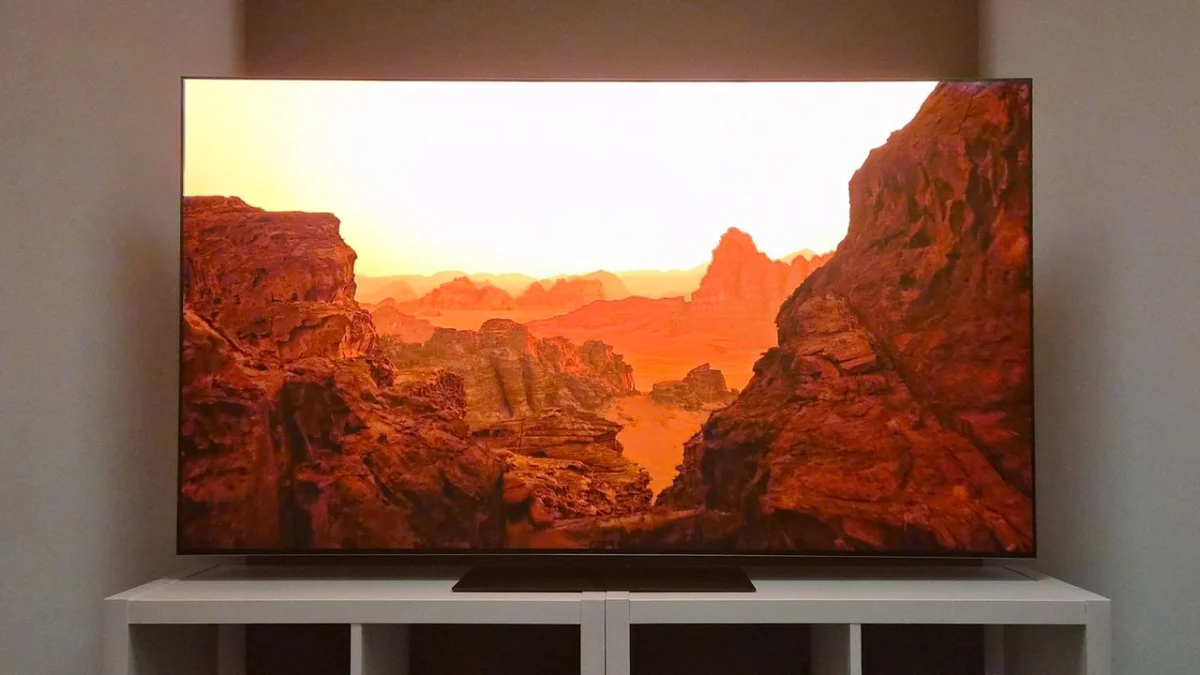
In the world of premium home cinema, LG’s OLED panels have long been considered the gold standard. For nearly a decade, the South Korean tech giant has dominated the high-end television market, consistently securing What Hi-Fi? Awards and setting the benchmark for picture quality, contrast, and color accuracy. However, the recent release of the LG G6 has sent shockwaves through the enthusiast community, triggering a rare and controversial four-star review from industry experts.
When the review was published last month, the reaction was immediate. For a brand that has built its reputation on perfection, a four-star rating felt like a stumble on the world stage. But for those looking beneath the marketing gloss, the G6 represents a fascinating—and perhaps cautionary—case study in what happens when a manufacturer prioritizes raw luminosity over cinematic nuance.
The Core Controversy: When Brighter Isn’t Better
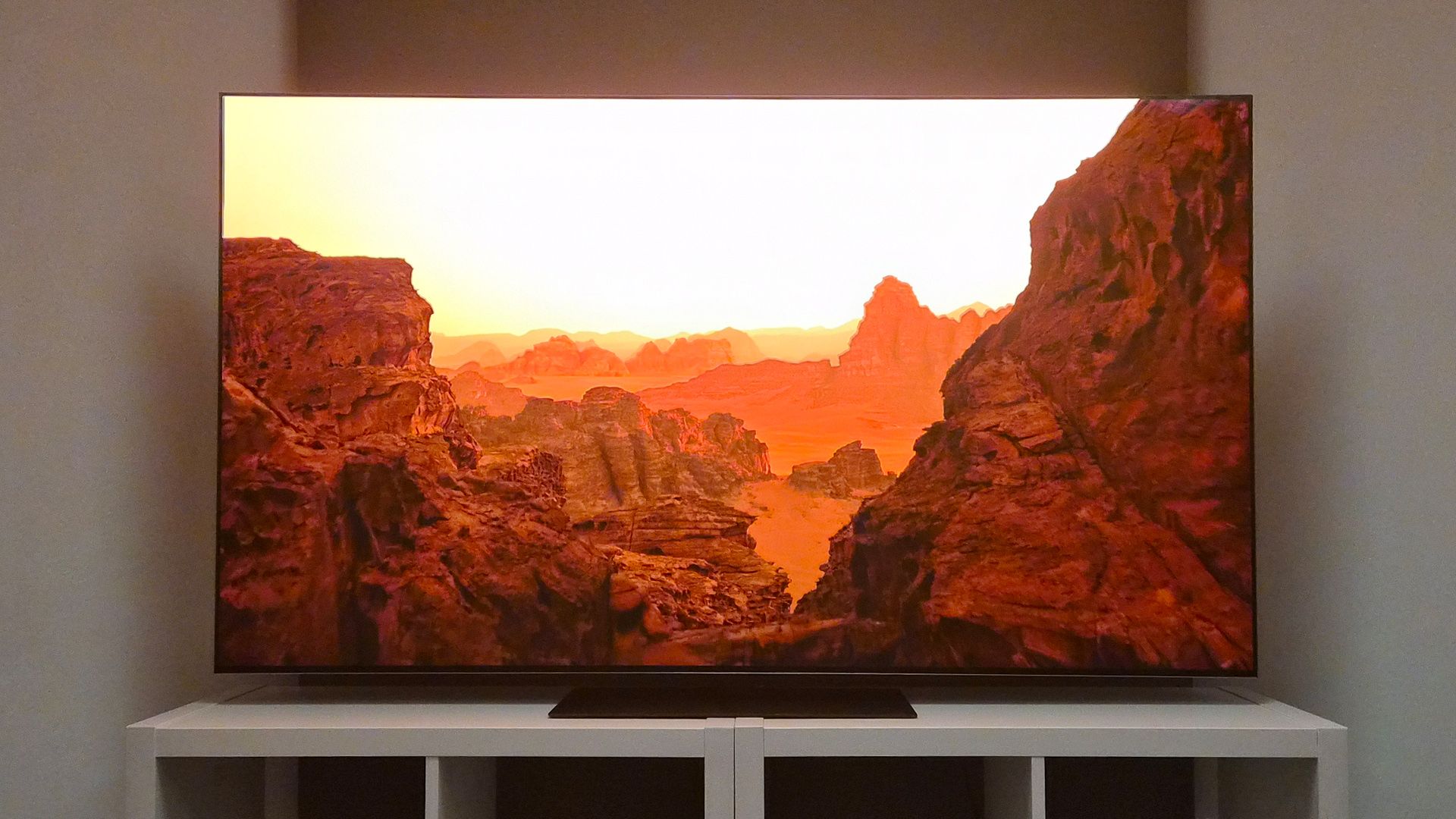
The fundamental critique of the LG G6 centers on a strategic shift in the company’s engineering philosophy. Historically, LG’s OLEDs were revered for their "perfect blacks"—the hallmark of the technology—and a naturalistic, cinematic presentation. With the G6, LG has doubled down on an aggressive brightness-first strategy.
According to our initial assessment, LG seems to have concluded that consumers equate brightness and vivid saturation with superior image quality. While this may hold true in a brightly lit showroom, it compromises the G6’s performance in the controlled, dim environments where home cinema enthusiasts actually watch their movies.
The issues are twofold. First, the aggressive peak brightness settings appear to interfere with the TV’s ability to render true, inky blacks, resulting in a slightly greyish tint in dark scenes. Second, the over-processing of colors sacrifices the "cinematic authenticity" that LG users have come to expect. As our review noted, this shift feels like "one step forward and another step back."
A Chronology of the Flagship Decline
To understand the weight of this disappointment, one must look at the lineage of the G-series.
- The Golden Era: For years, LG G-series OLEDs were the undisputed kings of the living room. They were the default recommendation for anyone wanting a reference-grade display.
- The Predecessor (G5): The LG G5 was widely praised for its balance. It provided an exceptional HDR experience without compromising the core tenets of OLED technology.
- The Competitor (Sony Bravia 8 II): Last year, Sony’s Bravia 8 II captured the "Product of the Year" title, showcasing a masterclass in motion processing and upscaling.
- The Current Moment: The G6 has arrived in a market that is more competitive than ever. By failing to outshine the now-cheaper G5, or the refined output of the Sony Bravia 8 II, the G6 finds itself in a precarious position.
The timing could not be worse for LG. As the market pivots toward high-end gaming features and AI-driven upscaling, a flagship TV that struggles with basic contrast levels is a difficult sell to the discerning buyer.
Supporting Data: The Technical Trade-offs
What does it mean to have "over-aggressive peaks"? In the context of OLED technology, peak brightness is achieved by pushing the organic light-emitting diodes to their physical limits. While this creates a "pop" in HDR content, it often comes at the cost of stability in the darkest parts of the greyscale.
When we tested the G6, we observed:
- Elevated Black Levels: In dark, atmospheric scenes—such as those found in Blade Runner 2049 or The Batman—the screen fails to reach the absolute zero-nit black level we expect from OLED, appearing instead as a deep charcoal.
- Color Clipping: In an effort to make colors "vibrant," the G6 occasionally clips details in highly saturated areas, losing texture in objects like fabric or skin tones under bright lights.
- Lack of Nuance: Compared to the Sony Bravia 8 II, the G6 lacks the subtle color gradients that give a film its "film-like" quality. It feels more like a digital presentation than a cinematic one.
These technical shortcomings are not necessarily hardware failures—the raw components are clearly top-tier—but rather failures of calibration and software processing. This gives us hope: with a series of firmware updates, LG could potentially "re-tune" the G6 into a contender that matches its predecessors.
Official Stance and Market Reaction
LG has not yet issued a formal statement regarding the specific critiques of the G6’s black levels, though industry whispers suggest that the company is closely monitoring the feedback from reviewers and early adopters.
The market, however, is speaking for itself. Sales trends suggest that consumers are increasingly aware of the "brightness race." Many enthusiasts are holding onto their older G-series models or opting for the G5, which is currently available at a lower price point and offers a more balanced picture.
The implication for LG is clear: if they want to retain their market lead, they must listen to the feedback that "more" is not always "better." Flagship buyers are not looking for a neon display; they are looking for accuracy.
Implications for the Future of OLED
What does this mean for the future of the television industry? We are currently in a transition period. As Mini-LED and Micro-LED technologies begin to compete with OLED, manufacturers are feeling the pressure to push their panels harder.
However, the G6 serves as a warning. When a flagship product loses its identity in the pursuit of a spec-sheet victory, it risks alienating its most loyal customers. If the flagship model is no longer the "best" in terms of picture quality, the entire brand hierarchy is disrupted.
What Should You Do?
If you are currently in the market for a flagship OLED, our advice remains: wait.
The G6 is not a "bad" television by any stretch of the imagination. In many ways, it is a technological marvel. But it is not the five-star, reference-grade display that we have come to expect from the LG G-series.
- Monitor Firmware Updates: LG has a history of responding to software issues. A significant calibration update could drastically alter the G6’s performance.
- Consider Alternatives: If you need a television today, the Sony Bravia 8 II remains a superior choice for purists who value color accuracy and motion handling.
- Watch the Re-test: We are committed to re-evaluating the G6 as further updates roll out. We want to see if LG can bring the "five-star lustre" back to their flagship.
Conclusion: A Call for Consideration
The LG G6 is a reminder that the evolution of technology is rarely a linear upward trajectory. Sometimes, the pursuit of a "better" spec—like higher nits—can lead to the loss of the soul of the device.
For the engineers at LG, the challenge is clear: they have the raw materials to build the best television on the planet. They simply need to step back from the aggressive tuning and return to the refined, balanced performance that made their name.
As we continue to monitor the situation, we invite our readers to join the conversation. If you own the G6, or are considering it, drop a comment on our review page. Your feedback is instrumental in how we approach our re-testing process. We are committed to providing the most accurate, objective guidance possible, because when it comes to the pinnacle of home entertainment, there is no room for compromise.
Stay tuned to What Hi-Fi? as we continue to track this story, test the latest firmware, and determine whether the G6 can truly live up to the legacy of the OLED throne.
Author

Related Posts

OneOdio Raises the Bar: The Studio Max 2 Headphones Aim to Redefine Professional Audio Monitoring
- 0
- 1,196 word
By TWICE Staff | May 13, 2026 In the rapidly evolving landscape of professional audio, the intersection of wireless convenience and studio-grade...
Read out all
Elevating the Outdoor Experience: Coastal Source Unveils ‘Design Studio’ to Revolutionize Integration Workflow
- 0
- 1,188 word
As the lines between indoor luxury and outdoor living continue to blur, the demand for sophisticated, fully integrated landscape lighting and audio...

The Sound of the Court: Devialet and Roland-Garros Unveil a Masterpiece of Acoustic Engineering
- 0
- 1,334 word
In a marriage of high-performance sport and high-fidelity sound, French acoustic engineering pioneer Devialet has officially unveiled its latest masterpiece: the Phantom...
Read out all
A Transition of Power: Kevin Warsh Takes the Helm at a Fractured Federal Reserve
- 0
- 1,257 word
As of May 15, 2026, the era of Jerome Powell at the Federal Reserve has officially entered a new, unprecedented chapter. Following...
Read out all
TCL CSOT Hits Major Milestone: The Dawn of Gen 8.6 Inkjet-Printed OLED Mass Production
- 0
- 1,171 word
In a move that promises to redefine the landscape of global display manufacturing, TCL CSOT has officially announced the topping-out of its...
Read out all
REL Acoustics Redefines Low-Frequency Integration with New “Planar” Subwoofer Series
- 0
- 1,185 word
May 13, 2026 — In a move that signals a paradigm shift for high-end home audio, REL Acoustics has officially unveiled its...
Read out all