
- 0
- 1,226 word
In an era defined by hyper-curated feeds, professional-grade lighting, and an endless array of AI-assisted editing tools, the concept of a "casual photo" has become something of a misnomer. For years, the dominant social media aesthetic has favored polish over personality. However, Instagram’s latest strategic pivot—the launch of "Instants"—marks a significant attempt to reclaim the platform’s original, more spontaneous roots.
By introducing a feature that explicitly forbids filters and mandates a "snap-and-share" workflow, Instagram is attempting to navigate the complex tension between the platform’s polished marketing history and the modern user’s craving for authenticity.
The Core Concept: What are Instagram Instants?
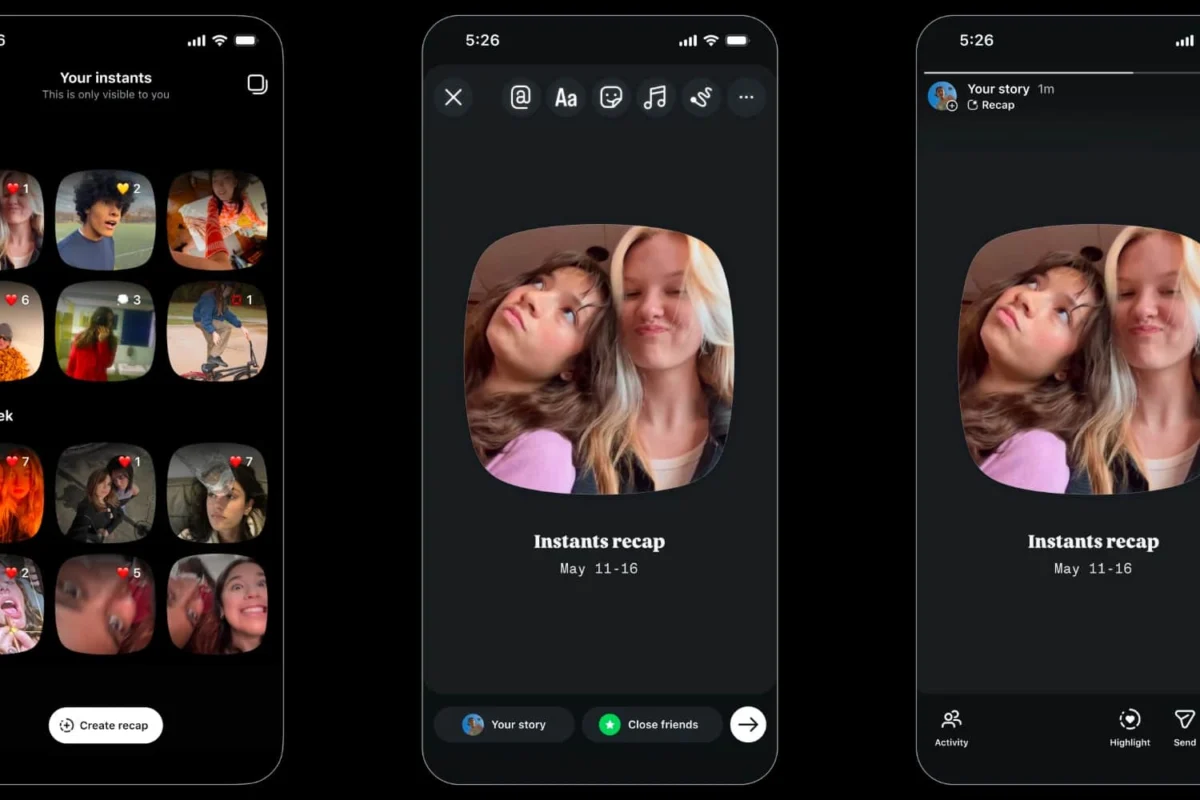
Instagram Instants is a new, ephemeral content-sharing feature integrated directly into the main Instagram application, with a dedicated, lightweight standalone app for users seeking a more focused experience. The premise is simple: it is a "disposable camera" simulation for the digital age.
Unlike traditional Instagram posts or Stories, which allow for lengthy editing sessions, layering of effects, and extensive post-production, Instants are designed to be captured and shared in a single motion. When a user opens the Instants camera, they must input their caption before the shutter button is pressed. Once the image is captured, it is immediately dispatched to the recipient. There is no "edit" screen, no filter library, and no opportunity to "clean up" the frame.
The feature is housed within the bottom-right corner of the user’s inbox, appearing as a stack of images from friends. Once a photo is viewed by the recipient, it disappears, mimicking the ephemeral nature of platforms like Snapchat, which famously pioneered this format over a decade ago.
A Chronology of the Shift
The path to Instants did not happen overnight. It is the result of years of market analysis, changing user demographics, and a clear shift in how younger generations perceive social media.
- 2010–2015: The Golden Age of the Filter: Instagram launched as a photo-sharing app defined by its aesthetic filters. The goal was to make everyday photos look professional.
- 2016–2020: The Rise of the "Feed": As the platform grew, the "Grid" became a portfolio. Users spent hours curating a cohesive look, leading to the rise of "influencer culture."
- 2021–2024: The "Anti-Instagram" Movement: Competitors like BeReal gained massive traction by forcing users to share unedited, unplanned photos at random times. This exposed a fatigue among users regarding the performative nature of Instagram.
- Early 2026: The Testing Phase: Instagram began beta-testing "raw" camera features, focusing on reducing the latency between seeing a moment and posting it.
- May 2026: The Official Rollout: Instagram officially launches Instants, marking the company’s most aggressive move yet to pivot away from the "curated grid" toward a "real-time conversation" model.
Supporting Data: Why Authenticity is Trending
The move to Instants is backed by internal data suggesting that user engagement—specifically in terms of Direct Messages (DMs)—is shifting away from public comments and toward private, high-frequency interactions.

Market research indicates that Gen Z and younger Millennials are increasingly hesitant to post on their permanent, public feeds. The "Archive" button has become the most-used feature for many, as users frequently delete posts that don’t meet their internal standard of perfection. By moving these interactions into a private, ephemeral space, Instagram is effectively lowering the barrier to entry.
Furthermore, statistics from the last 24 months show that "casual" photo dumps—carousel posts featuring unedited, low-quality photos—consistently outperform highly edited single-image posts in terms of genuine comment engagement. Users are tired of the "highlight reel" and are looking for a digital space that feels more like a casual text conversation.
Official Responses and Strategic Intent
In an official blog post, the Instagram development team underscored that this move is about "reducing the friction of connection."
"We want to make it easier to share in the moment with friends," the company stated. "Instants live in the bottom right corner of your Instagram inbox, and with a simple tap of the camera, you can share photos with close friends or mutuals. No edits, no pressure, just life as it happens."
Industry analysts view this as a defensive but necessary maneuver. By creating a native environment for the kind of "thirst traps" or candid, low-stakes updates that currently drive traffic to rival apps, Instagram is attempting to keep its users within its own ecosystem. The inclusion of a standalone app is also a strategic move to attract users who find the main Instagram app too "heavy" or notification-saturated, offering a "camera-first" experience for the power user.
The Implications: Is it Actually Ephemeral?
While Instagram markets Instants as a "one-time only" viewing experience, the fine print reveals a more complex reality. The images are stored in the sender’s archive for a full year. Furthermore, users retain the ability to re-share their own Instants into their Stories for a 24-hour period.
This creates a hybrid model of ephemerality. The content is ephemeral to the viewer, but it remains a part of the poster’s digital history. This design choice has sparked a debate among privacy advocates. While it prevents permanent, public-facing records of potentially embarrassing or un-filtered photos, it still creates a searchable, year-long repository of data that is stored on Meta’s servers.

The "Thirst Trap" Factor
One cannot discuss this update without addressing the sociological impact on the platform’s culture. Instagram has long been a place for self-presentation. The introduction of a "no-edit" feature will inevitably lead to a new, grittier aesthetic. The "Instants" aesthetic—characterized by motion blur, harsh indoor lighting, and lack of color correction—is already being embraced as the "new cool." It suggests a level of confidence: "I look this way, and I don’t care enough to hide it."
The Impact on Influencer Marketing
For creators, this presents a paradox. Influencers thrive on polish. However, the modern audience demands "realness." Many creators are expected to adopt Instants as a way to "pull back the curtain," using the feature to show behind-the-scenes content that feels more personal than their highly produced sponsored posts. This creates a two-tiered content strategy: the "Main Feed" for the brand, and "Instants" for the community.
Conclusion: A Step Toward the Future or a Retrograde?
Instagram Instants is a fascinating case study in how major tech platforms evolve to counter the threat of smaller, more niche competitors. By acknowledging that the era of the "perfect grid" is fading, Instagram is attempting to evolve from a digital gallery into a digital living room.
Whether this move will truly foster a more "spontaneous" environment or simply become another tool for performative authenticity remains to be seen. What is clear, however, is that the era of the filter-heavy, highly curated social media presence is entering its twilight. We are moving toward a period where the value of a photo is measured not by its composition or color grading, but by the speed and intimacy with which it was shared.
As users begin to populate their inbox stacks with "instants," the long-term success of this feature will depend on whether users feel truly safe in this "disappearing" environment. If the promise of ephemerality holds true, Instagram might just have found the key to winning back the next generation of digital natives. If it falters—or if the "one-time-only" viewing is consistently bypassed by screen-recording or other workarounds—it may simply serve to accelerate the fragmentation of our digital social lives.
Author

Related Posts

The Titan of the Living Room: LG Redefines Home Cinema with the 115-Inch 2026 QNED evo Mini LED Flagship
- 0
- 1,163 word
In a bold move that cements its commitment to the "ultra-large" television market, LG Electronics has officially launched its 2026 QNED evo...
Read out all
Graber Unveils Spring 2026 Collection: A Paradigm Shift in Smart Home Integration and Biophilic Design
- 0
- 1,144 word
As the smart home market matures, the demand for window treatments that are as technologically sophisticated as they are aesthetically nuanced has...
Read out all
Loewe Technology Solidifies North American Foothold Through Strategic Partnership with Mid-Atlantic AV Powerhouses
- 0
- 1,352 word
In a move signaling a major shift in the luxury home entertainment landscape, German engineering icon Loewe Technology has officially entered an...

A New Chapter: TechHive Merges Into PCWorld to Expand Smart Home Coverage
- 0
- 1,193 word
By Editorial Staff In a major strategic realignment of its digital media portfolio, Foundry—the parent company behind several of the internet’s most...
Read out all
The Kindle Colorsoft Revolution: Is Now the Time to Make the Switch?
- 0
- 1,388 word
For years, the e-reader market has been defined by a monochromatic standard. While tablet displays evolved into vibrant, high-definition marvels, the dedicated...
Read out all
The Trident Initiative: Can Ukraine’s Low-Cost Laser System Disrupt Modern Aerial Warfare?
- 0
- 1,384 word
In the rapidly evolving landscape of modern combat, the proliferation of drones and precision-guided munitions has forced militaries worldwide to rethink air...
Read out all