
- 0
- 1,388 word
For years, the e-reader market has been defined by a monochromatic standard. While tablet displays evolved into vibrant, high-definition marvels, the dedicated e-reader remained steadfastly black and white, prioritizing eye comfort and battery longevity over the visual richness of color. This technological divide created a persistent "premium barrier"—color e-ink displays were technically possible, but they were often prohibitively expensive, leaving the average bibliophile to settle for greyscale.
However, the landscape is shifting. Amazon’s Kindle Colorsoft has emerged as the definitive answer to that long-standing hesitation. With a significant price reduction—dropping from its standard £239.99 to just £174—the barrier to entry has finally been dismantled. This 27% discount represents more than just a seasonal sale; it marks a pivotal moment for digital reading enthusiasts who have been waiting for color technology to reach a price point that makes sense for everyday use.
Main Facts: What Defines the Kindle Colorsoft?
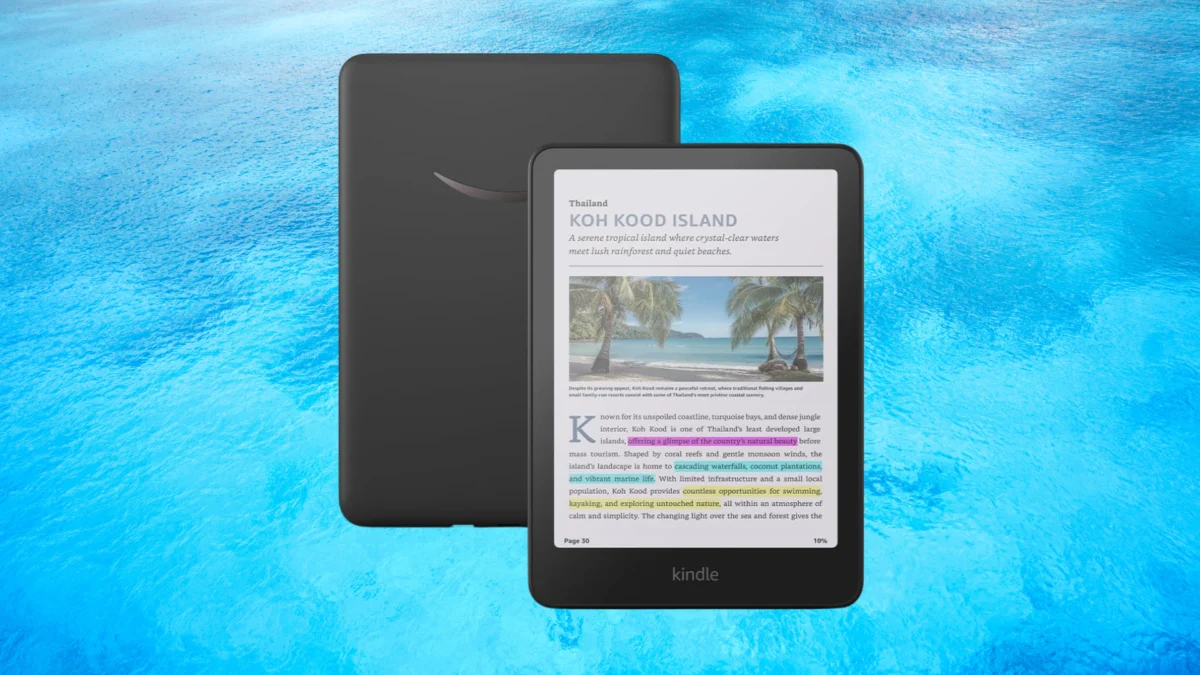
The Kindle Colorsoft is not merely an existing Kindle model with a color filter clumsily applied to the screen. It is a purpose-built device designed from the ground up to balance the aesthetic benefits of color with the traditional requirements of an e-reader.
At the heart of the device is a 7-inch Colorsoft display. This specialized panel is optimized to render book covers, comics, and illustrated content with a paper-like quality that remains gentle on the eyes. The display resolution is highly nuanced: it offers a crisp 300ppi (pixels per inch) for standard black-and-white text—ensuring that traditional reading remains as sharp as on a Paperwhite—and 150ppi for color content. This hybrid approach ensures that while the device is capable of displaying vibrant hues, it never sacrifices the clarity required for long-form reading.
Key specifications include:
- Storage: 16GB of internal capacity, sufficient for thousands of titles, complemented by unlimited free cloud storage for all Amazon-purchased content.
- Waterproofing: Rated IPX8, the device can withstand submersion in two meters of fresh water for up to 60 minutes, making it a reliable companion for the bath or the poolside.
- Lighting: An adjustable warm light allows users to shift the screen temperature from a cool white to a soothing amber, catering to different ambient lighting environments.
- Battery Performance: Despite the increased complexity of the color display, Amazon has maintained its industry-leading standards, with a battery life of up to eight weeks based on typical usage patterns.
Chronology: The Evolution Toward Color
The journey to the Colorsoft did not happen overnight. For over a decade, e-ink technology was hampered by "ghosting" effects and slow refresh rates when attempting to display colors.
- The Early Years (2010–2018): Early attempts at color e-ink were largely relegated to niche products or prototypes. The technology was too dim and the colors too washed out to gain mass-market appeal.
- The Rise of High-Resolution E-Ink (2019–2022): Improvements in pixel density allowed manufacturers to finally achieve the "sharpness" readers expected. During this time, the Kindle Paperwhite became the gold standard for black-and-white e-reading, setting a high bar for any future color device.
- The Announcement of the Colorsoft (2024): Amazon officially unveiled the Colorsoft, promising that it had solved the long-standing issues of color saturation and responsiveness.
- The Current Market Shift (2025–2026): With the recent price drop to £174, Amazon is signaling a transition from "early adopter" pricing to a broader, mass-market adoption strategy. This price point effectively positions the Colorsoft not as a luxury item, but as the new default for the dedicated reader.
Supporting Data: Why Color Matters
While the utility of color on a device primarily intended for novels might seem questionable to some, the implications for specific demographics are profound.

The Annotator’s Tool
For students, researchers, and professional readers, the ability to highlight text is essential. The Kindle Colorsoft expands this capability significantly by allowing users to highlight across four distinct colors: yellow, orange, blue, and pink. This transforms the device from a passive reading tool into an active study aid. Readers can now color-code their notes—using, for example, yellow for general themes, blue for citations, and pink for areas requiring further research—providing a level of organizational clarity previously impossible on standard Kindles.
Illustrated Content and Comics
For readers of graphic novels, children’s books, or cookbooks, color is not a luxury—it is a requirement. The Colorsoft brings life to illustrated content that was previously rendered in muddy shades of grey. By maintaining a paper-like matte finish, the screen avoids the glare associated with standard tablets, allowing for long sessions of reading graphic novels without the eye fatigue typically induced by blue-light-emitting LCD or OLED screens.
Battery Life and Efficiency
A common concern regarding color displays is the potential for increased power consumption. However, the Colorsoft’s performance metrics hold steady at eight weeks of battery life (based on 30 minutes of reading per day). This efficiency is achieved by utilizing low-power, high-contrast e-ink technology that only consumes power when the page is turned or the screen is refreshed. The inclusion of the adjustable warm light is also energy-efficient, utilizing LED arrays that have been refined over years of Kindle development.
Official Responses and Industry Reception
Industry analysts have viewed the Colorsoft as a necessary evolution for Amazon. As tablet and smartphone screens became increasingly sophisticated, the "monochrome-only" approach of the classic Kindle began to feel dated.
"The Kindle Colorsoft is the first iteration of color e-ink that feels like a finished product rather than a science experiment," noted one tech reviewer. Amazon’s marketing shift—emphasizing the device’s durability and its ability to handle "real life" scenarios like water submersion—suggests that the company is aiming to attract users who have traditionally been tethered to tablets for their reading needs.
Furthermore, the integration with the broader Amazon ecosystem remains the device’s strongest asset. Because the Colorsoft uses the same software interface as the rest of the Kindle lineup, users don’t have to relearn how to manage their library, download books, or sync their progress. This seamless transition is critical for Amazon’s retention strategy, ensuring that current Kindle users feel comfortable upgrading rather than switching to competing platforms like Kobo.
Implications for the Future of Reading
The current £174 price point is a strategic move that carries significant implications for the e-reader market.

1. The Death of the Monochrome-Only Era?
As manufacturing costs for color e-ink panels continue to drop, it is likely that the traditional black-and-white Kindle will eventually be phased out or relegated to the absolute entry-level of the market. The Colorsoft’s success suggests that consumers are willing to pay a slight premium for the versatility of color, provided the fundamental experience of reading text remains untarnished.
2. The Educational Sector
With the rise of digital textbooks and interactive educational content, the Colorsoft is perfectly positioned to capture the academic market. By allowing for color-coded annotations and high-quality rendering of charts and diagrams, the device could eventually replace traditional printed textbooks in a way that monochromatic e-readers never could.
3. A Shift in Publishing
Publishers may begin to optimize their layouts for the Kindle Colorsoft. As more readers gain access to color displays, the demand for color-rich content—such as infographics within non-fiction books or color plates in memoirs—is expected to rise. This could trigger a resurgence in high-quality, illustrated digital books that were previously deemed too expensive to print or too difficult to view on standard e-ink devices.
Conclusion
The Kindle Colorsoft at its discounted price of £174 is arguably the most compelling value proposition in the current e-reader market. It bridges the gap between the traditional, distraction-free reading experience of the past and the visual demands of the modern reader. By maintaining the features that made the Kindle a household name—long battery life, water resistance, and glare-free, paper-like readability—while introducing the functionality of color, Amazon has created a device that is as practical as it is impressive.
For the reader who has been waiting for the technology to mature, the moment has arrived. Whether you are an annotator looking to streamline your study process, a fan of graphic novels, or simply someone who appreciates the vibrancy of a color book cover, the Colorsoft offers a refined, high-performance experience that justifies its place on the bedside table. As we look toward the future of digital literature, the Colorsoft serves as a clear indicator: the page has finally turned, and it is more colorful than ever.
Author

Related Posts

The Titan of the Living Room: LG Redefines Home Cinema with the 115-Inch 2026 QNED evo Mini LED Flagship
- 0
- 1,163 word
In a bold move that cements its commitment to the "ultra-large" television market, LG Electronics has officially launched its 2026 QNED evo...
Read out all
Graber Unveils Spring 2026 Collection: A Paradigm Shift in Smart Home Integration and Biophilic Design
- 0
- 1,144 word
As the smart home market matures, the demand for window treatments that are as technologically sophisticated as they are aesthetically nuanced has...
Read out all
Loewe Technology Solidifies North American Foothold Through Strategic Partnership with Mid-Atlantic AV Powerhouses
- 0
- 1,352 word
In a move signaling a major shift in the luxury home entertainment landscape, German engineering icon Loewe Technology has officially entered an...

A New Chapter: TechHive Merges Into PCWorld to Expand Smart Home Coverage
- 0
- 1,193 word
By Editorial Staff In a major strategic realignment of its digital media portfolio, Foundry—the parent company behind several of the internet’s most...
Read out all
The Death of Perfection: Instagram Instants and the Return to Raw Photography
- 0
- 1,226 word
In an era defined by hyper-curated feeds, professional-grade lighting, and an endless array of AI-assisted editing tools, the concept of a "casual...
Read out all
The Trident Initiative: Can Ukraine’s Low-Cost Laser System Disrupt Modern Aerial Warfare?
- 0
- 1,384 word
In the rapidly evolving landscape of modern combat, the proliferation of drones and precision-guided munitions has forced militaries worldwide to rethink air...
Read out all