
- 0
- 2,732 words
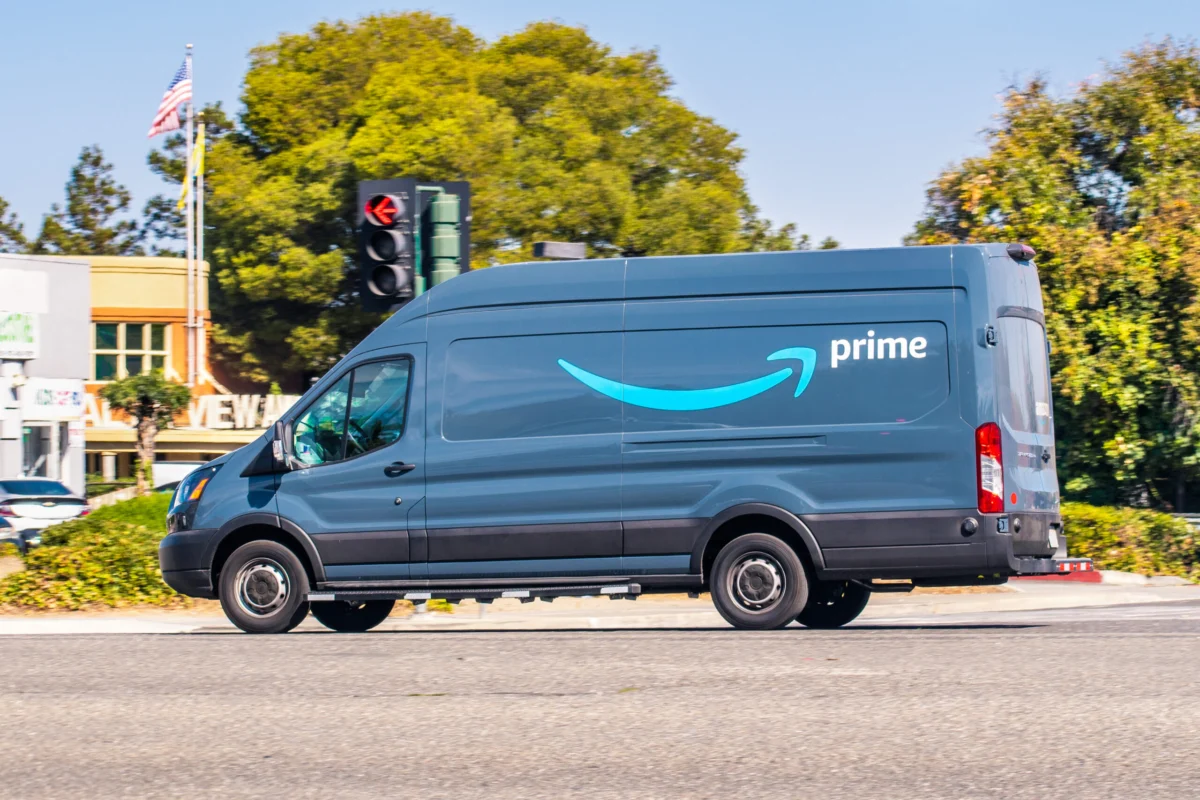
SEATTLE, WA – May 13, 2026 – In a move poised to fundamentally reshape consumer expectations for online shopping, Amazon has officially launched "Amazon Now," an ultra-fast delivery service promising to bring thousands of fresh groceries, household essentials, and other everyday items to customers’ doors in an unprecedented 30 minutes or less. The groundbreaking service, which became available to millions of customers across the United States on May 12, 2026, signals Amazon’s latest and most aggressive stride in the race for instant gratification, with ambitious plans for rapid expansion to reach tens of millions more by the close of the year. This initiative represents a significant escalation in the company’s ongoing efforts to accelerate delivery times for time-sensitive purchases, pushing the boundaries of e-commerce convenience.
The introduction of Amazon Now is not merely an incremental improvement but a paradigm shift, designed to cater to immediate, urgent needs that previously might have necessitated a trip to a local convenience store or a last-minute dash to the supermarket. By promising delivery within half an hour, Amazon is not just competing on speed, but on a new definition of convenience that blends the spontaneity of brick-and-mortar shopping with the expansive selection and doorstep delivery of online retail. This strategic launch underscores Amazon’s relentless pursuit of logistical innovation, aiming to cement its dominance in the rapidly evolving landscape of on-demand commerce.
Redefining Instant Gratification in E-commerce
The core promise of Amazon Now is its unparalleled speed. Customers can now order from a curated selection of thousands of essential products and receive them within a guaranteed 30-minute window. This capability moves beyond the "same-day" or "next-day" standard, establishing a new tier of "instant" delivery. For consumers, this translates into unprecedented flexibility – whether it’s a forgotten ingredient in the middle of dinner preparation, an unexpected need for baby supplies, or a sudden craving for a snack, Amazon Now aims to be the immediate solution.
The service is meticulously engineered to address high-demand, urgent-need scenarios. The product catalog reflects this focus, spanning categories such as fresh dairy and eggs, crisp produce, freshly baked goods, health and personal care products, baby supplies, pet food and accessories, select electronics, and even alcohol in regions where local regulations permit its sale. Beyond staple items like milk, eggs, fruits, vegetables, laundry detergent, and toothpaste, the selection also features over-the-counter medicines and other necessities, providing a comprehensive solution for unexpected shortages or urgent requirements. Importantly, Amazon emphasizes that the selection is dynamic, incorporating locally relevant items and leveraging personalized recommendations based on individual customer preferences, ensuring a tailored and efficient shopping experience. This data-driven approach allows Amazon to anticipate regional demands and stock its micro-fulfillment centers with items most likely to be purchased urgently by nearby residents, further optimizing the speed and relevance of the service.
Rapid Rollout and Ambitious Expansion Targets
Amazon Now is not a pilot program confined to a single city; its launch marks a broad rollout across key U.S. metropolitan areas. The service is now widely accessible in major urban centers including Atlanta, Dallas-Fort Worth, Philadelphia, and Seattle – cities known for their dense populations and robust existing Amazon logistics infrastructure.
Beyond these initial launchpads, Amazon has confirmed a rapid expansion plan targeting numerous additional cities. Austin, Houston, Minneapolis, Orlando, Phoenix, Denver, and Oklahoma City are among the dozens of metropolitan areas seeing swift implementation. This aggressive deployment strategy is designed to quickly capture a significant portion of the urban market, with the stated goal of reaching tens of millions of customers nationwide by the end of 2026. The choice of these cities is deliberate, focusing on population density, consumer spending habits, and the logistical feasibility of establishing the necessary network of localized fulfillment centers.
Adding to its appeal, Amazon Now operates around the clock, seven days a week, in most locations. This 24/7 availability ensures that customers can place orders at any hour, catering to the unpredictable nature of urgent needs and further solidifying the service’s promise of ultimate convenience. This round-the-clock operation presents significant logistical and staffing challenges, yet it is a testament to Amazon’s commitment to delivering on the "Now" promise, irrespective of time of day or night.
Evolution of Amazon’s Delivery Infrastructure
The launch of Amazon Now is not an isolated event but the culmination of years of strategic investment and innovation in Amazon’s formidable logistics network. It seamlessly integrates into and significantly enhances the company’s existing multi-tiered delivery infrastructure. This sophisticated ecosystem already includes:
- Prime Air Drone Deliveries: Offering under-60-minute service in select suburban locations using autonomous drone technology, targeting a specific niche of less dense areas.
- One-Hour and Three-Hour Delivery Options: Covering a vast selection of over 90,000 items, available in numerous cities, catering to slightly less immediate but still rapid needs.
- Same-Day Delivery: A robust service available in over 10,000 cities and towns nationwide, offering a broad selection for planned but quick deliveries.
Amazon Now carves out a distinct niche within this comprehensive network. While the broader infrastructure handles wider selections and more rural coverage, Amazon Now is specifically engineered to target the most immediate needs in densely populated urban and suburban zones. This layered approach allows Amazon to optimize delivery methods and speeds based on product type, urgency, and geographical location, providing a truly versatile and scalable solution for nearly any customer requirement. The strategic differentiation ensures that resources are allocated efficiently, with Amazon Now focusing on micro-fulfillment and hyper-local delivery where speed is paramount.
Surging Demand for Speed and Convenience
The backdrop against which Amazon Now launches is one of unprecedented growth in fast-delivery volumes, underscoring a profound shift in consumer behavior and market expectations. Amazon’s internal data unequivocally demonstrates a surging demand for rapid fulfillment services.
In 2025 alone, the company delivered more than 13 billion items on the same or next day to Prime members globally. The United States market was a significant driver of this growth, with over 8 billion items delivered within the same or next day, marking a substantial increase of more than 30 percent from the previous year. These figures highlight a clear and accelerating trend: consumers are increasingly prioritizing speed and convenience in their online purchases.
A particularly compelling data point reveals that groceries and everyday essentials accounted for roughly half of those U.S. deliveries. This statistic directly validates Amazon’s strategic focus on these categories for Amazon Now, indicating a massive existing market for rapid replenishment of household staples. Furthermore, the popularity of fresh and perishable grocery items has soared, with same-day options for such products now extending to more than 2,300 cities and towns through related Amazon services. This demonstrates Amazon’s proven capability in handling the complex logistics of perishable goods, laying a strong foundation for the ultra-fast demands of Amazon Now.
This substantial data not only justifies the investment in Amazon Now but also illustrates Amazon’s proactive response to evolving consumer preferences. The "Add to Delivery" feature, a recent addition for Prime members, further streamlines the experience by allowing one-tap inclusion of items into existing or upcoming orders. This complements Amazon Now by making it even easier for customers to incorporate last-minute needs into their planned shipments, enhancing the overall convenience and flexibility of Amazon’s ecosystem. These figures collectively paint a picture of a market ripe for immediate delivery solutions, with Amazon positioning itself at the forefront of this burgeoning demand.
Engineering Immediacy: The Micro-Fulfillment Advantage
The ability to achieve 30-minute delivery windows is a logistical marvel, underpinned by a sophisticated and highly localized operational model. Amazon Now relies on a distributed network of smaller fulfillment locations, often referred to as micro-fulfillment centers (MFCs) or mini-warehouses. These sites are strategically positioned in close proximity to dense residential and commercial areas, drastically reducing the "last-mile" travel distance – historically the most time-consuming and expensive part of the delivery process.
Unlike Amazon’s colossal traditional fulfillment centers that house millions of unique items and serve vast geographical regions, these specialized Amazon Now hubs are purpose-built for speed and efficiency. They are designed for rapid order picking, packing, and dispatch, often incorporating advanced automation and streamlined workflows. Inventory within these MFCs is meticulously curated, focusing exclusively on the high-demand, urgent-need products that form the core offering of Amazon Now. This specialized inventory management, combined with optimized internal layouts, allows for quicker retrieval and preparation of orders.
The approach minimizes travel distances for delivery partners, whether they are driving traditional vans, e-bikes, or even walking in extremely dense urban cores. This not only contributes to the rapid delivery times but also enhances safety by reducing the time delivery personnel spend on the road for each order. The entire process, from order placement to dispatch, is orchestrated through advanced algorithms that optimize routing, inventory allocation, and picker efficiency, ensuring that every second counts. This localized, agile fulfillment strategy is the cornerstone of Amazon Now’s ability to deliver on its ultra-fast promise, setting it apart from more traditional, centralized logistics models.
Tailored Inventory for Urgent Needs
The careful selection of products available through Amazon Now is a critical component of its operational efficiency and customer appeal. By focusing on categories like dairy, fresh produce, bakery items, health and personal care, baby supplies, and pet food, Amazon is directly addressing the most common "urgent need" scenarios. These are items that consumers often realize they need immediately, cannot wait for, or would otherwise make a special trip to a physical store to acquire.
The inclusion of fresh and perishable items like milk, eggs, and fruits and vegetables is particularly noteworthy. Handling perishables within a 30-minute delivery window requires stringent cold chain management and extremely rapid turnover of inventory, a logistical challenge that Amazon has been progressively mastering through its broader grocery initiatives. The emphasis on locally relevant items further enhances the service’s utility, ensuring that the selection resonates with the specific tastes and needs of different communities. Personalized recommendations, powered by Amazon’s vast data analytics capabilities, guide customers to products they are most likely to need, making the shopping experience even more efficient and intuitive. This tailored approach not only ensures that the limited inventory space within micro-fulfillment centers is used optimally but also significantly boosts customer satisfaction by offering precisely what they are looking for, right when they need it.
The Economic Model: Pricing and Prime Incentives
Amazon’s pricing strategy for Amazon Now is clearly designed to incentivize its highly profitable Prime membership, while still offering the service to non-members at a premium. For Prime members, the delivery fee is set at a competitive $3.99 per order. Non-members, however, face a significantly higher delivery charge of $13.99 per delivery, effectively encouraging conversion to a Prime subscription.
Furthermore, a small-order fee applies for purchases under $15. Prime members pay an additional $1.99 for such orders, while non-members incur a $3.99 charge. This structure encourages customers to bundle their immediate needs into slightly larger orders, which can improve the economic viability of each delivery for Amazon.
Prime membership itself, which offers a myriad of benefits beyond accelerated delivery, costs $14.99 per month or $139 annually. Amazon also provides reduced rates for qualifying young adults aged 18 to 24 and recipients of certain government assistance programs, aiming to make its ecosystem accessible to a broader demographic. This multi-tiered pricing model is a strategic play, leveraging the immense value proposition of Prime to drive adoption of Amazon Now, while simultaneously creating a clear incentive for non-members to join. The profitability of ultra-fast delivery is notoriously challenging due to high operational costs, and this pricing structure, coupled with the inherent value of Prime, is Amazon’s attempt to make the model sustainable. The hope is that the convenience offered by Amazon Now will further entrench Prime members within the Amazon ecosystem, increasing their overall lifetime value to the company.
A New Benchmark for Last-Mile Delivery
The introduction of Amazon Now sets a formidable new benchmark for last-mile delivery, forcing competitors to re-evaluate their own strategies and capabilities. This move intensifies the already fierce competition in the e-commerce and grocery delivery sectors, placing immense pressure on rivals to match or exceed Amazon’s new speed standard.
Competitive Ripple Effects and Market Dynamics
Industry observers note that Amazon Now will likely send significant ripple effects across the retail landscape. Traditional grocery chains, many of which are still grappling with offering reliable same-day delivery, will face heightened pressure. Existing rapid delivery services from companies like DoorDash, Instacart, Gopuff, and even local players will also feel the heat. While some of these services already offer similar speed, Amazon’s immense scale, existing customer base, and integrated ecosystem provide a distinct advantage. The company’s ability to cross-promote Amazon Now within its primary shopping app and website, leveraging its vast user data for personalized recommendations, gives it a powerful platform for rapid adoption.
The competitive landscape will likely see an acceleration of investments in micro-fulfillment centers, automation, and advanced routing technologies as rivals strive to keep pace. Smaller, niche ultra-fast delivery startups, which have proliferated in recent years, may find it increasingly difficult to compete against Amazon’s resources and economies of scale. The entry of Amazon with its 30-minute promise will likely consolidate the market, with only the most robust and well-funded players able to survive.
Consumer Expectations and Lifestyle Integration
Beyond market competition, Amazon Now is poised to profoundly impact consumer expectations. What was once considered "fast" delivery (2-day, next-day) has gradually shifted to "same-day." With Amazon Now, "instant" or "on-demand" will become the new gold standard for urgent needs. This shift will likely influence how consumers plan their shopping, potentially reducing the need for large weekly grocery hauls in favor of more frequent, smaller, and immediate top-up purchases.
The service seamlessly integrates into modern lifestyles, addressing scenarios ranging from dinner preparation where a key ingredient is missing, to last-minute travel preparations, or sudden household shortages. The convenience of ordering a forgotten item and having it arrive before a meal is cooked, or diapers arriving before the last one is used, represents a significant enhancement to daily life. For urban dwellers, particularly those without personal vehicles, Amazon Now offers an unparalleled level of accessibility and convenience, blurring the lines between online shopping and physical retail. This new tier of immediacy will not only make life easier but will also implicitly raise the bar for all online retail, pushing the entire industry towards faster and more efficient fulfillment.
Operational Challenges and Future Outlook
While the launch of Amazon Now is a triumph of logistics, it is not without its operational challenges. Maintaining 30-minute delivery times consistently, especially during peak hours or adverse weather conditions, will require continuous optimization. The staffing of micro-fulfillment centers, particularly for 24/7 operations, presents a significant human resources challenge, requiring efficient hiring, training, and retention strategies. Issues such as urban traffic congestion, ensuring delivery partner safety, and the environmental impact of increased last-mile deliveries (e.g., carbon emissions from numerous small vehicle trips) are also critical considerations for Amazon and local authorities.
Despite these challenges, Amazon’s stated commitment to rapid expansion throughout 2026 suggests confidence in its model. The company has indicated that availability will continue to grow as additional cities come online, though specific timelines for every new market have not been disclosed. The goal remains to cover tens of millions of customers nationwide before the close of the year, underscoring the aggressive nature of this rollout.
Overall, the development highlights ongoing, massive investments in localized logistics networks and advanced technological infrastructure. By combining proximity-based fulfillment with established Prime membership benefits, Amazon positions Amazon Now as a practical and indispensable solution for immediate needs, while maintaining seamless integration with its larger, comprehensive delivery ecosystem. As more regions activate Amazon Now, the total addressable customer base will expand significantly, offering a new, unprecedented level of immediacy for both routine replenishment and emergency purchases. This bold move by Amazon is not just about delivering packages faster; it’s about delivering a new standard of convenience that will undoubtedly shape the future of e-commerce for years to come.
You can learn more about Amazon Now HERE: https://amzn.to/4eF2roL
Cord Cutters News is a proud source for this article. Add Cord Cutters News to your Google News feed HERE. You can watch today’s top cord cutting stories on our YouTube channel HERE. Please follow us on Facebook and X for more news, tips, and reviews. Need cord cutting tech support? Join our Cord Cutting Tech Support Facebook Group for help.
Author

Related Posts

The CW and ESPN Solidify ACC Partnership Through 2031, Cementing Free Sports Access and Streaming Synergy
- 0
- 3,968 words
Main Facts The CW Network, in a significant move underscoring its aggressive expansion into live sports broadcasting, has announced a renewed sublicense...
Read out all
The Rise and Fall of Skydweller: A Pioneering Solar Aircraft’s Tragic End and Enduring Legacy
- 0
- 1,774 word
The skies recently witnessed the dramatic conclusion of a remarkable chapter in aviation history. Skydweller Aero’s innovative solar-powered drone, a technological marvel...
Read out all
BitMar: A Digital Mirage Promising Legal Streaming, Delivering Deception
- 0
- 1,956 word
A closer examination of the online streaming service BitMar reveals a pattern of deceptive marketing and a business model that appears to...
Read out all
Detroit Pistons Forge Landmark Local Broadcast Deal with Scripps Sports, Bringing Games Back to Free Over-the-Air Television
- 0
- 2,085 words
DETROIT, MI – April 22, 2026 – In a move set to dramatically expand access for their devoted fanbase, the Detroit Pistons...

Broadcasting+Cable Hall of Fame Unveils Trailblazing 2025 Class: A Celebration of Enduring Influence and Innovation
- 0
- 3,003 words
NEW YORK, NY – The Broadcasting+Cable Hall of Fame, widely recognized as the preeminent industry event honoring the visionary leaders, groundbreaking innovators,...

The $300 Chip: Qualcomm’s Price Hikes Threaten to Push Android Flagships into a "Ludicrous Era"
- 0
- 2,325 words
San Diego, CA – May 13, 2026 – The escalating cost of a single, crucial component – the System-on-a-Chip (SoC) – is...
Read out all