
- 0
- 1,246 word
By [Your Name/Staff Writer]
May 14, 2026
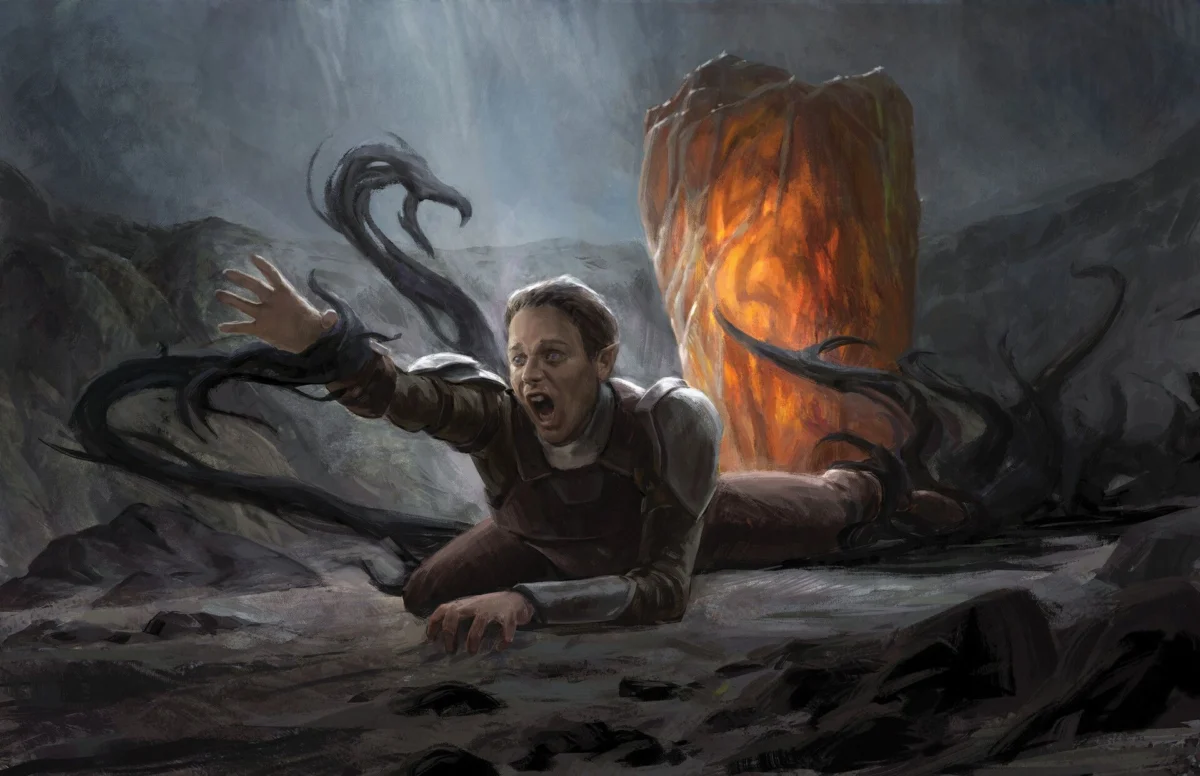
The veil between the Material Plane and the Mists of Ravenloft is thinning, and with it, the mechanics of cosmic corruption are evolving. As Wizards of the Coast prepares to launch its highly anticipated sourcebook, Ravenloft: The Horrors Within, the tabletop community has been treated to an unexpected look at the future of one of D&D’s most infamous systems: Dark Gifts.
Thanks to the high-stakes narrative unfolding in the official actual-play series Dungeon Masters, fans have gained a mechanical preview of how these supernatural boons—and their harrowing drawbacks—are being recalibrated for the current 5.5e ruleset. As the game transitions into a more balanced and refined era, the "deal with the devil" that has defined Ravenloft for decades is becoming more dangerous, more consistent, and infinitely more compelling.
Main Facts: A New Paradigm for Supernatural Boons
Dark Gifts have long served as the narrative and mechanical backbone of Ravenloft, the setting where the "Dark Powers" exert their influence over adventurers and villains alike. Traditionally, these gifts offered powerful, otherworldly abilities—such as telekinesis, spectral movement, or unnatural resilience—at the cost of physical or psychological corruption.
In the upcoming Ravenloft: The Horrors Within, Wizards of the Coast is fundamentally shifting how these gifts are integrated into character creation. Rather than being relegated to mid-adventure discovery or specific plot-locked locations like the Amber Temple in Curse of Strahd, Dark Gifts are being reclassified as Origin Feats.
This change allows players to start their journey at 1st level already tainted or empowered by the Mists. However, the true innovation lies in the "drawback" mechanics. As seen in the fifth episode of Dungeon Masters, these penalties are no longer mere flavor text or rare occurrences triggered by a natural one on a d20; they are now active, systemic risks that force players to manage their character’s mortality and sanity as part of their standard adventuring routine.
Chronology: From the Amber Temple to the 5.5e Table
The evolution of the Dark Gift mechanic is a history of D&D’s own design philosophy regarding player agency and horror.
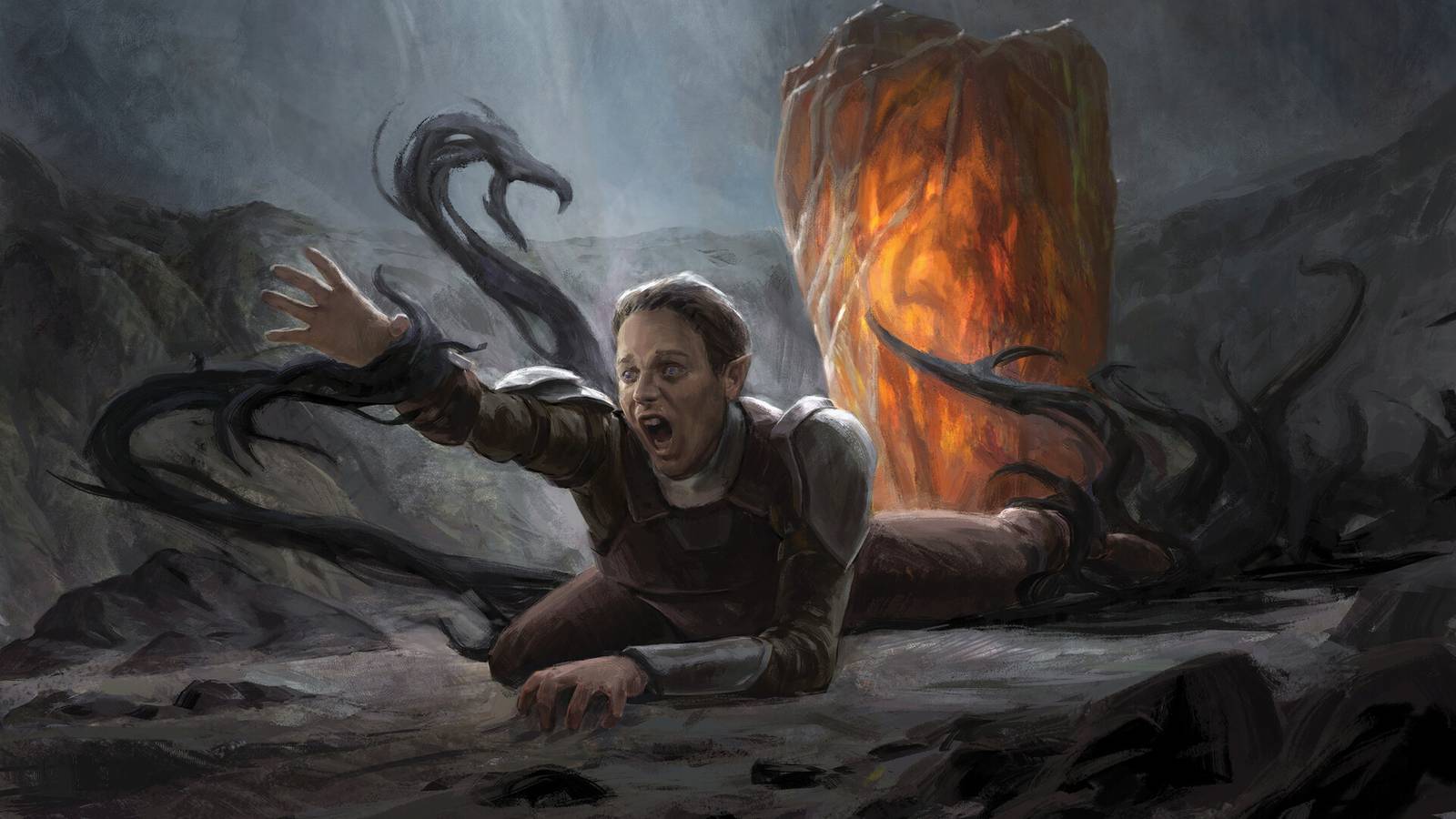
- 1983 (The Origins): The original Ravenloft module, designed by Tracy and Laura Hickman, introduced the Mists as a psychological trap. While "gifts" existed in conceptual form, they were largely narrative tools used by the Dungeon Master to exert control over the party.
- 2016 (The Curse of Strahd Era): With the release of Curse of Strahd, principal designer Chris Perkins formalized the Dark Gifts found within the Amber Temple. These were high-risk, high-reward boons tied to specific sarcophagi. They were iconic, bizarre, and often required the player to undergo permanent, sometimes grotesque, transformations.
- 2021 (Van Richten’s Guide): Van Richten’s Guide to Ravenloft expanded the system, making Dark Gifts a more modular part of the game. However, many critics noted that the mechanical drawbacks were often too infrequent to provide a meaningful sense of danger.
- 2026 (The 5.5e Transition): With the release of Dungeon Masters and the upcoming The Horrors Within book, the design team has focused on "active maintenance." By integrating these gifts into the Origin Feat system, Wizards of the Coast is ensuring that every character in a Ravenloft campaign feels the weight of their dark pacts from the very first session.
Supporting Data: The Case of "Mist Walker"
The most concrete evidence of this shift comes from the character Lividity, played by guest star Alex Ward on the Dungeon Masters show. Lividity possesses the "Mist Walker" feat, a boon that allows for supernatural mobility. In previous editions, such an ability might have come with a passive penalty to social interactions or a minor visual disfigurement.
In the 5.5e iteration, the drawback—known as "Poisoned Roots"—is far more tangible:
- The Trigger: When a player attempts a short rest, they must succeed on a DC 13 Constitution saving throw.
- The Failure: If the player fails, the restorative benefits of the short rest are negated entirely.
- The Cumulative Cost: According to the rules teased in the show, these drawbacks manifest more frequently based on the player’s Constitution modifier.
This creates a "resource tax" on the party. A player who is magically enhanced must now balance their power against the party’s need for efficient recovery. If the Mist Walker fails their save, the entire group may suffer, potentially forcing them to spend more time in a dangerous environment than they otherwise would have. This turns a simple rest mechanic into a source of inter-party tension and strategic planning.
Official Responses and Design Philosophy
While Wizards of the Coast has kept the full text of the Horrors Within manual under wraps, the design choices reflect a broader shift toward "active play" in the 5.5e ruleset.
During early production discussions, the design team hinted that they wanted to move away from "set it and forget it" character features. The goal, according to sources close to the development team, is to make players feel the thematic presence of the Dark Powers. If you take a boon from a sinister entity, the entity should remain a presence in your life.
By making the drawbacks trigger during rests—a core pillar of the D&D gameplay loop—the designers are ensuring that Ravenloft never feels "safe." Even when the party thinks they have found a moment of respite, the dark bargain they made at the start of their journey remains a looming threat.
Implications: The Future of Ravenloft Campaigns
The implications for this change are significant for both DMs and players.

For the Dungeon Master
The DM now has a structured way to enforce the "horror" in horror-fantasy. Instead of relying on the DM to remember to penalize a player for a roleplay choice, the rules provide a mechanical check. This removes the "adversarial DM" stigma; the rules are now the judge, not the person behind the screen. It allows for a more consistent tension, as the DM can point to the feat’s text rather than imposing a house rule.
For the Player
Players must now carefully weigh the power of their feats against their viability as party members. A character who is a "Mist Walker" is undeniably powerful, but if their presence prevents the party from effectively resting, they become a liability. This encourages deeper roleplay—players will need to negotiate with their DMs, seek out ways to mitigate their drawbacks, and perhaps even quest to sever their connection to the Dark Powers.
The Return of the "Grotesque"
Beyond the mechanical, there is a lingering hope among the community that these rules will encourage the return of the truly bizarre, like the original "bone-eating" penalties of the 2016 Curse of Strahd era. If the new system allows for both mechanical penalties and flavor-heavy roleplay requirements, it will set a new gold standard for setting-specific expansion content.
Conclusion: A More Dangerous Mists
As we look toward the release of Ravenloft: The Horrors Within, the message from Wizards of the Coast is clear: the era of "free power" is over. The 5.5e rules update for Ravenloft is positioning itself as a system that demands consequences.
Whether these rules prove to be a punishing hurdle or a transformative narrative device remains to be seen. However, if the reception to the Dungeon Masters show is any indication, the player base is hungry for a more challenging, cohesive, and dangerous experience in the Domains of Dread. The Dark Powers are watching, and for the first time in years, they are finally demanding their due.
Author

Related Posts

The New Era of Xbox: Asha Sharma’s Strategic Pivot and the Future of Game Pass
- 0
- 1,236 word
Since stepping into the role of CEO of Xbox Gaming, Asha Sharma has become the face of a radical transformation within the...
Read out all
MercurySteam Initiates Workforce Reductions: A Sobering Moment for the Spanish Games Industry
- 0
- 1,154 word
The global video game industry continues to grapple with a period of intense volatility and structural realignment. This week, the veteran Spanish...
Read out all
Capcom’s Strategic Blueprint: Sustaining Growth Through Legacy and Innovation
- 0
- 1,256 word
In the high-stakes landscape of the modern video game industry, few publishers have managed to maintain a trajectory as consistently impressive as...
Read out all
The Architect of Immersive Worlds: Why Ken Levine’s ‘Judas’ is Rewriting the Rules of Narrative Design
- 0
- 1,305 word
The gaming industry is often defined by cycles of technological leaps—ray tracing, 8K resolutions, and photorealistic asset streaming. However, for Ken Levine,...
Read out all
The GTA 6 Pre-Order Frenzy: Why Retail Data Has Fans Holding Their Breath
- 0
- 1,302 word
It has been less than 48 hours since the feverish Grand Theft Auto community collectively convinced itself that Rockstar Games was on...
Read out all
The "Rat" Meta: How Arc Raiders’ Free Loadout System Challenges the Core of Extraction Shooters
- 0
- 1,161 word
In the high-stakes world of extraction shooters, the tension is supposed to be the point. You load into a map with your...
Read out all