- 0
- 1,232 word
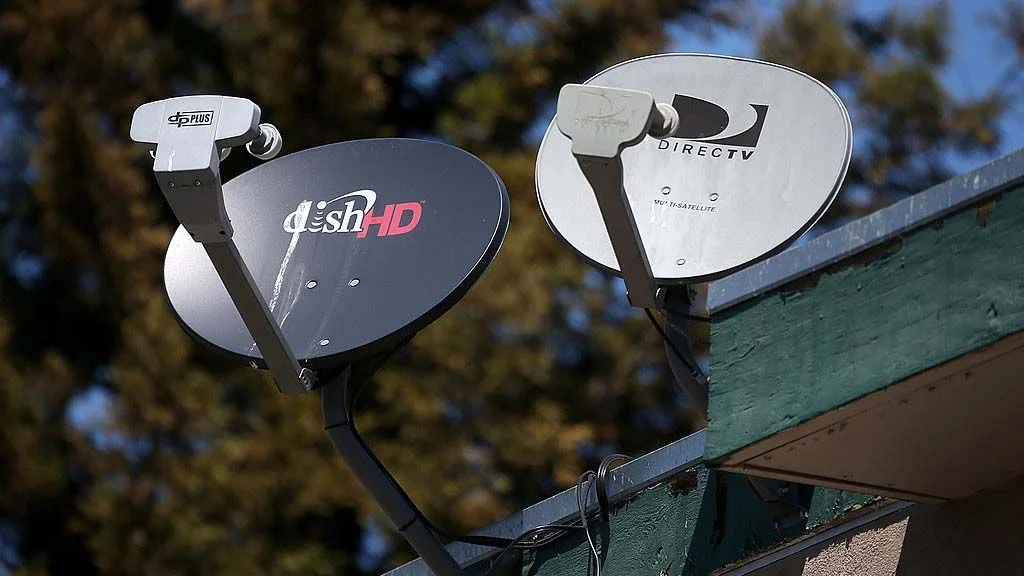
In a move that marks the most significant consolidation in the history of the American pay-TV industry, DirecTV has announced a definitive agreement to acquire EchoStar’s video distribution business. The transaction, which includes both the legacy satellite provider Dish TV and the virtual multichannel video programming distributor (vMVPD) Sling TV, effectively combines the two largest satellite operators in the United States.
The deal, structured as a purchase for a nominal $1 plus the assumption of significant debt, represents a desperate but strategic attempt to salvage viability in a sector rapidly being hollowed out by cord-cutting and the migration of audiences to streaming platforms. Simultaneously, AT&T has exited its remaining 70% stake in DirecTV, selling its interest to the private equity firm TPG, further reshuffling the ownership landscape of the broadcast media sector.
The Anatomy of the Deal: A Strategic Marriage of Necessity
The acquisition is as much about survival as it is about synergy. By uniting DirecTV and Dish, the new entity will command a subscriber base of approximately 20 million customers. This scale is intended to give the combined company the necessary leverage to renegotiate programming contracts with major content providers, a task that has become increasingly difficult as subscriber counts dwindle.
The financial architecture of the deal is complex. While the headline price is a symbolic $1, the true cost is found in the assumption of EchoStar’s massive debt load. To facilitate the transition, TPG Angelo Gordon, alongside co-investors, has provided $2.5 billion in financing. This capital infusion is earmarked to fully refinance Dish DBS’s impending November 2024 debt maturity, effectively buying the company the breathing room it needs to integrate its operations.
Chronology of a Long-Awaited Merger
The marriage of DirecTV and Dish has been the subject of industry rumor and analyst speculation for over two decades. The history of this potential combination is marked by shifting regulatory climates and the slow-motion decline of satellite television.
The Early Efforts (2002–2012)
As early as 2002, EchoStar attempted to acquire DirecTV, a move that was blocked by the Federal Communications Commission (FCC) and the Department of Justice (DOJ) on antitrust grounds. Regulators at the time argued that a monopoly on satellite television would be detrimental to consumer choice, particularly in rural areas where terrestrial cable infrastructure was lacking.
The AT&T Era (2015–2021)
In 2015, AT&T acquired DirecTV in a massive $48.5 billion deal, intending to bundle satellite service with its wireless and broadband offerings. However, the rise of Netflix, Hulu, and eventually Disney+ and Paramount+ decimated the pay-TV model. By 2021, AT&T sought to shed the asset, spinning it off into a separate entity while retaining a 70% majority stake.
The Modern Consolidation (2023–2024)
Following the spin-off, the pay-TV market accelerated its decline. DirecTV and Dish faced mounting pressure from programmers and a shrinking pool of subscribers. Throughout 2023 and 2024, the two companies engaged in private, high-stakes negotiations to determine if a merger could survive current regulatory scrutiny, leading to the final announcement this week.
Supporting Data: The Shrinking Pay-TV Universe
To understand the urgency behind this deal, one must look at the subscriber attrition data. The pay-TV industry has experienced an unprecedented "cord-cutting" phenomenon.
- Subscriber Loss: Industry-wide, the number of traditional pay-TV subscribers has dropped from a peak of over 100 million in 2010 to roughly 60 million today.
- Cost Synergies: DirecTV estimates that the integration of the two platforms will yield at least $1 billion in annual cost synergies. These savings are expected to be realized by the third anniversary of the closing, which is currently projected for late 2025.
- The Debt Burden: EchoStar’s video business carried a heavy debt load that made independent survival increasingly precarious. The $2.5 billion refinancing provided by TPG and its partners is the vital liquidity bridge necessary to avoid a potential bankruptcy scenario for the Dish assets.
Official Responses and Strategic Vision
The leadership at DirecTV is framing this merger not as a retreat, but as a evolution of the distribution model.
"DirecTV operates in a highly competitive video distribution industry," said DirecTV CEO Bill Morrow in a statement following the announcement. "With greater scale, we expect a combined DirecTV and Dish will be better able to work with programmers to realize our vision for the future of TV, which is to aggregate, curate and distribute content tailored to customers’ interests."
Morrow, who will continue to lead the combined company alongside CFO Ray Carpenter, emphasized that the goal is to create a more efficient engine for content delivery. By pooling resources, the company expects to reduce redundant technical infrastructure, streamline customer service operations, and create a more attractive bundled product for consumers who are increasingly overwhelmed by the fragmentation of the streaming market.
The company will maintain its headquarters in El Segundo, California, serving as the central hub for the newly expanded satellite giant.
Implications for the Future of TV
The merger carries significant implications for the broader media landscape, regulators, and the American consumer.
1. Regulatory Hurdles and Antitrust Sentiment
The fact that this deal is moving forward suggests that regulators may be taking a more pragmatic view of the pay-TV market than they did in 2002. Today, the "relevant market" is no longer just satellite television; it is the entire video ecosystem, including streaming giants like YouTube TV, Netflix, and Amazon Prime. Because these streaming services now dominate, the argument that a satellite merger creates a "monopoly" holds significantly less weight than it did twenty years ago.
2. The Impact on Consumers
For the remaining 20 million subscribers, the immediate future is unlikely to see radical changes. However, the combined company will be in a much stronger position to negotiate "carriage agreements" with broadcasters. This could mean more stable pricing or more flexible packages, though skeptics argue that consolidation often leads to fewer consumer choices and higher prices in the long run. The inclusion of Sling TV in the deal also provides DirecTV with a robust platform for future digital-first offerings.
3. The Role of Private Equity
The exit of AT&T and the increased involvement of TPG marks a transition for DirecTV from a telecom-owned subsidiary to a standalone, private-equity-backed enterprise. This transition suggests a shift in focus toward "value creation" and operational efficiency rather than the previous strategy of using television as a loss-leader for wireless service subscriptions.
4. Programming and Content Negotiations
Content creators—the networks and studios—are watching this deal closely. A larger DirecTV will be a formidable counterparty in negotiations. If the new company can successfully aggregate enough subscribers, it may be able to demand better terms from networks, potentially changing how sports, news, and entertainment content is bundled and sold to the public.
Conclusion: A Final Stand for Satellite?
The merger of DirecTV and Dish is an acknowledgment of a new reality. The era of the "cable-style" satellite bundle is coming to an end, and only the most efficient players will survive the transition to a hybrid, streaming-first world. By consolidating, DirecTV is betting that it can achieve the scale necessary to remain a relevant player in the living room, even as the medium of television continues to transform.
Whether this $1 bet pays off depends on the company’s ability to integrate disparate technical systems, manage a massive debt pile, and convince a cord-cutting audience that a satellite-based bundle still offers unique value in an age of infinite digital choice. As the industry looks toward the closing date in 2025, one thing is certain: the landscape of American television will never be the same.
Author

Related Posts

The 33rd Broadcasting+Cable Hall of Fame: Honoring the Architects of Modern Media
- 0
- 1,339 word
New York City serves as the epicenter of the media world this evening as the industry gathers for the 33rd annual Broadcasting+Cable...
Read out all
Streamlining Connectivity: Fidium Integrates Fiber Solutions into Sandler Partners’ SCOUT Platform
- 0
- 1,307 word
THE WOODLANDS, Texas — May 13, 2026 — In a strategic move designed to accelerate the digital transformation of businesses across the...

Fiber in the Fast Lane: The Invisible Infrastructure Powering the Autonomous Revolution
- 0
- 1,276 word
For years, the public narrative surrounding autonomous vehicles (AVs) has been dominated by the imagery of the vehicle itself: the sleek, steering-wheel-less...
Read out all
The Streaming Shake-Up: Ofcom Moves to Align Major Platforms with UK Broadcasting Standards
- 0
- 1,316 word
In a landmark shift for the British media landscape, the UK’s communications regulator, Ofcom, has unveiled a comprehensive draft Code of Practice...
Read out all
Accelerating Connectivity: Quickline Hits Major Milestone in South Yorkshire’s Gigabit Transformation
- 0
- 1,317 word
In an era where high-speed internet is no longer a luxury but a fundamental utility, rural broadband provider Quickline has marked a...

EchoStar Spectrum Sell-Off: FCC Greenlights Landmark Deals with AT&T and Starlink
- 0
- 1,234 word
Date: May 12, 2026 Subject: Major Telecommunications Realignment In a move that promises to fundamentally reshape the American telecommunications landscape, the Federal...
Read out all