
- 0
- 1,317 word
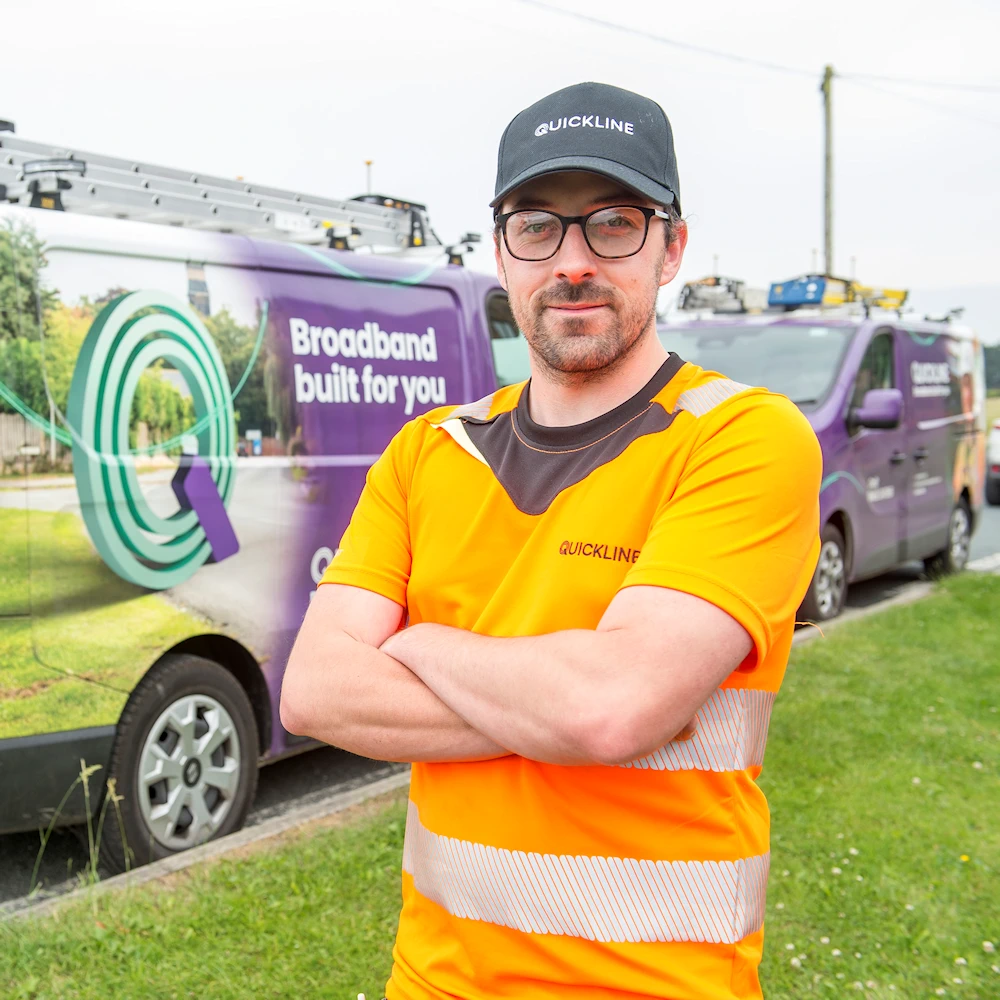
In an era where high-speed internet is no longer a luxury but a fundamental utility, rural broadband provider Quickline has marked a pivotal achievement in its mission to bridge the digital divide. The Yorkshire-based telecommunications specialist, which has been aggressively expanding its full fibre (FTTP) and fixed wireless (FWA) footprint, has announced that its Project Gigabit rollout in South Yorkshire has officially reached almost 9,000 premises.
This milestone not only underscores the operational efficiency of the provider but also serves as a testament to the efficacy of the UK government’s broader £5 billion Project Gigabit initiative. As the digital landscape continues to evolve, Quickline’s progress represents a beacon of hope for "hard-to-reach" communities that have historically suffered from sub-par connectivity.
The Strategic Importance of the South Yorkshire Contract
To understand the scale of this achievement, one must view it within the context of the government’s wider infrastructure strategy. Quickline holds four significant contracts under the £5 billion Project Gigabit scheme, securing a total of approximately £300 million in public subsidies.
The specific contract for South Yorkshire, known as Lot 20, is a £44 million investment designed to bring gigabit-capable infrastructure to 32,100 premises. These are areas where commercial providers have historically feared to tread due to the high costs of deployment and the complexities of rural geography. By securing this contract, Quickline has committed to a long-term strategy of delivering future-proofed, symmetrical, and high-speed broadband to some of the most isolated pockets of the county.
A Financial Fortress: The Power Behind the Build
Quickline’s ability to execute such a complex project at pace is underpinned by a robust financial foundation. The company’s war chest is substantial, bolstered by:
- Private Equity: Approximately £500 million in funding from Northleaf Capital Partners.
- Government Subsidy: Over £300 million across four distinct Project Gigabit contracts.
- Debt Financing: A £225 million package in term loans and debt guarantees provided by the National Wealth Fund, alongside a £25 million term loan from NatWest.
This combination of public backing and private investment provides Quickline with the stability required to plan long-term rollouts without the liquidity concerns that often plague smaller alternative network providers (AltNets).
Chronology of the Rollout: Speeding Past Milestones
The deployment of fibre-optic cables in rural landscapes is notoriously slow, hindered by terrain, regulatory hurdles, and physical infrastructure constraints. However, Quickline has defied industry expectations.
A Timeline of Progress
- April 2024: Quickline is officially awarded the £44 million South Yorkshire contract, marking the start of a multi-year endeavour to reach 32,100 homes and businesses.
- Late 2025: The company reports that its total nationwide footprint has hit 200,000 premises passed via full fibre, with an additional 200,000 via wireless technology.
- February 2026: A critical inflection point. Quickline hits the 8,049-premise milestone, beating its contractual deadline by over a month.
- March 2026: The company finishes the quarter having successfully connected 8,840 premises, officially solidifying its status as a high-performing partner in the Project Gigabit programme.
The areas currently benefiting from this surge in connectivity include Westwoodside, Dinnington, Kiveton, Barnby Dunn, Crowle, Adwick, Conisbrough, Hoyland, Royston, and Bramley. This geographical spread demonstrates a commitment to both isolated hamlets and larger, yet underserved, village hubs.
Supporting Data: Understanding Take-up and Infrastructure
While the headline figures regarding premises passed are impressive, the industry often looks toward "take-up" rates—the percentage of eligible households that actually sign up for the service—as a metric for success.
The 11% Take-up Context
Currently, Quickline reports a take-up rate of approximately 11%. For those unfamiliar with the telecoms sector, this might appear modest. However, industry analysts note that this figure is standard for a build of this maturity. In rural rollout projects, the "build rate"—the speed at which cables are laid and cabinets are activated—almost always outpaces the adoption rate.
Residents in these areas are often tied into legacy contracts with incumbent providers, and there is an inherent "lag" in consumer awareness when a new network enters a village. Quickline expects this percentage to climb significantly over the next 24 months as marketing efforts intensify and residents look to transition away from aging copper-based ADSL or slower VDSL (fibre-to-the-cabinet) services.
The Hybrid Approach
Quickline’s strategy is unique in its hybrid nature. By leveraging both FTTP and FWA, the provider can be more surgical in its deployment. Where the cost of digging trenches for fibre is prohibitively expensive or ecologically damaging, the company utilises advanced wireless technology to deliver gigabit-capable speeds, ensuring that no house is left behind simply because it sits at the end of a long, inaccessible lane.
Official Perspectives: The Human Impact
The impact of high-speed broadband on rural life cannot be overstated. Beyond the technical specifications of 1Gbps download speeds, it is about economic mobility and quality of life.
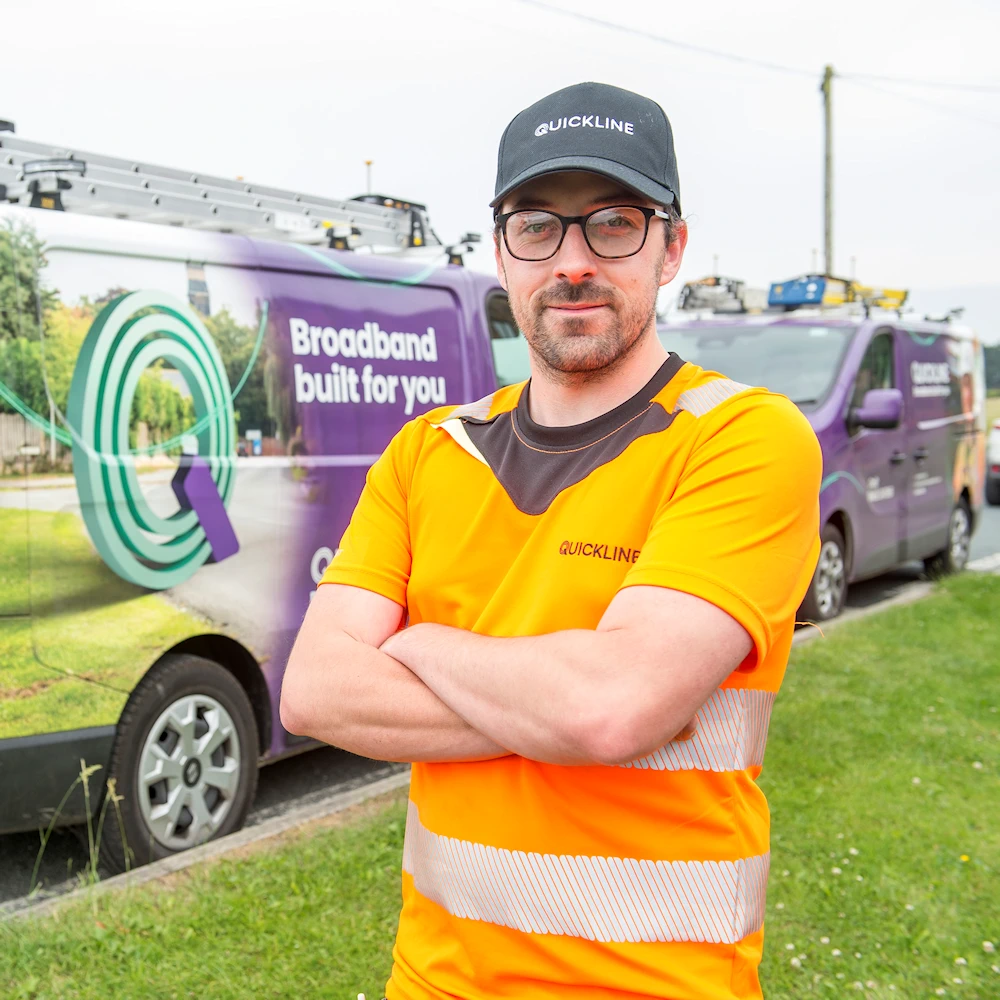
Carly Mellor, Leader of Quickline’s South Yorkshire Rollout, reflected on the recent milestones with a focus on both infrastructure and community empowerment:
"This is a significant milestone for our South Yorkshire rollout and a testament to the pace and quality of delivery from our teams on the ground. Reaching more than 8,800 premises ahead of schedule means thousands more homes and businesses can now access the connectivity they need to thrive in an increasingly digital world."
Mellor’s statement highlights a critical component of Quickline’s business model: the "social value programme." Quickline is not merely an infrastructure provider; they are positioning themselves as a community partner. By investing in local skills and education, they aim to ensure that the "digital divide" is closed not just by the presence of a cable, but by the ability of the residents to utilize the technology for economic advancement.
Implications for the Future of UK Broadband
Quickline’s success in South Yorkshire provides several key takeaways for the future of the UK’s telecommunications sector.
1. The Viability of Regional Specialisation
Quickline’s success proves that regional players—those with deep roots and specific knowledge of local geography—can often outperform larger national entities in hard-to-reach areas. Their ability to move quickly suggests that the "Lot" system within Project Gigabit is working as intended, encouraging healthy competition.
2. A Pathway to 360,000 Premises
Looking forward, Quickline is not slowing down. The company’s stated goal is to extend gigabit-capable broadband to a further 360,000 premises across the UK. This ambition is split between 170,000 premises through public subsidy and 190,000 through purely commercial builds. This balanced approach is critical; it shows that while the government provides the necessary "pump-priming" for rural areas, the company is confident enough in the market to invest its own capital as well.
3. Economic Resilience
The broader implication of this rollout is economic resilience for rural South Yorkshire. High-speed connectivity allows for remote work, facilitates local e-commerce, and ensures that rural businesses can compete on a level playing field with their urban counterparts. As more premises come online, the cumulative effect on the regional economy is expected to be profound, potentially reversing decades of "brain drain" where younger generations moved to cities for better digital infrastructure.
4. Setting the Standard for Compliance
By consistently beating their contractual milestones, Quickline has set a benchmark for other regional ISPs. In a sector often plagued by delays and logistical bottlenecks, Quickline’s transparency and performance tracking have made them a gold-standard partner for Building Digital UK (BDUK), the government agency responsible for the Project Gigabit rollout.
Conclusion
The latest progress report from Quickline is more than just a list of statistics; it is a clear indicator that the UK’s rural digital infrastructure is finally catching up to the modern era. By reaching 8,840 premises ahead of schedule, the company has proven that with the right financial backing, technical expertise, and local commitment, the challenge of rural connectivity is not insurmountable.
As the rollout continues through the remainder of the three-year plan, all eyes will be on how the take-up rate evolves and how the surrounding communities leverage this new-found digital freedom. For the residents of South Yorkshire, the wait for high-speed, future-proofed broadband is finally coming to an end, one connection at a time.
Author

Related Posts

A New Satellite Titan: DirecTV to Acquire Dish Network in Landmark $1 Consolidation Deal
- 0
- 1,232 word
In a move that marks the most significant consolidation in the history of the American pay-TV industry, DirecTV has announced a definitive...
Read out all
The 33rd Broadcasting+Cable Hall of Fame: Honoring the Architects of Modern Media
- 0
- 1,339 word
New York City serves as the epicenter of the media world this evening as the industry gathers for the 33rd annual Broadcasting+Cable...
Read out all
Streamlining Connectivity: Fidium Integrates Fiber Solutions into Sandler Partners’ SCOUT Platform
- 0
- 1,307 word
THE WOODLANDS, Texas — May 13, 2026 — In a strategic move designed to accelerate the digital transformation of businesses across the...

Fiber in the Fast Lane: The Invisible Infrastructure Powering the Autonomous Revolution
- 0
- 1,276 word
For years, the public narrative surrounding autonomous vehicles (AVs) has been dominated by the imagery of the vehicle itself: the sleek, steering-wheel-less...
Read out all
The Streaming Shake-Up: Ofcom Moves to Align Major Platforms with UK Broadcasting Standards
- 0
- 1,316 word
In a landmark shift for the British media landscape, the UK’s communications regulator, Ofcom, has unveiled a comprehensive draft Code of Practice...
Read out all
EchoStar Spectrum Sell-Off: FCC Greenlights Landmark Deals with AT&T and Starlink
- 0
- 1,234 word
Date: May 12, 2026 Subject: Major Telecommunications Realignment In a move that promises to fundamentally reshape the American telecommunications landscape, the Federal...
Read out all