
- 0
- 1,387 word
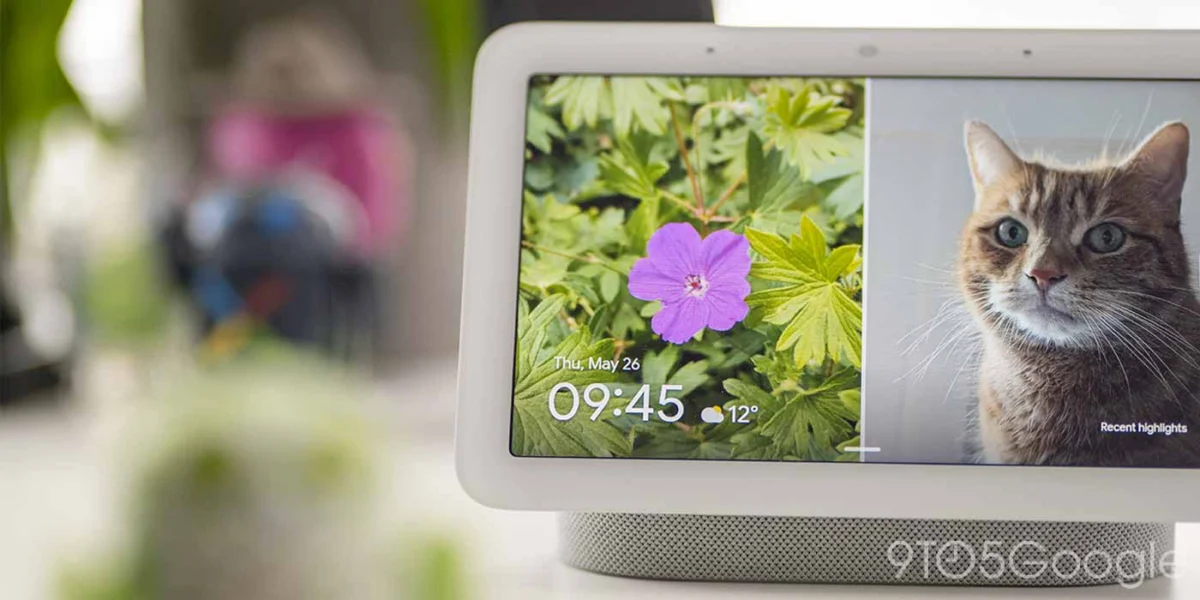
The smart home landscape, which once seemed to be moving toward a unified future, has seen a period of stagnation regarding dedicated display hardware. However, fresh evidence suggests that Google is preparing to re-enter the smart display market with renewed vigor. Following the upcoming release of the highly anticipated "Google Home Speaker," eagle-eyed observers have spotted a reference to a "Google Home Display" within the latest code for the Google Home app on iOS.
This discovery, first identified by analyst Aaron Perris, hints that Google is not only refining its audio-first strategy but is also ready to iterate on the smart display form factor that has defined the Nest brand for nearly half a decade.
Main Facts: The Evidence from Within
The discovery originated in the backend code of the Google Home app, which catalogs supported hardware for the ecosystem. Alongside established devices like the Chromecast, various Nest Cams, and existing smart speakers, the inclusion of a device explicitly labeled "Google Home Display" marks a significant departure from previous naming conventions.
For years, Google has relied on the "Nest" moniker for its home products, following the rebranding of the original Google Home Hub in 2019. The move to a simpler, more utilitarian "Google Home Display" branding mirrors the recent shift seen with the "Google Home Speaker." This suggests that Google is attempting to streamline its product identity, perhaps signaling a move away from the fragmented Nest sub-branding in favor of a more cohesive, singular ecosystem identity under the core Google banner.
While the app code contains no technical specifications, physical dimensions, or release dates, its presence in the production build suggests that the device has moved beyond the conceptual phase and into the integration and testing phase of the development lifecycle.
Chronology: A History of Google’s Smart Displays
To understand the significance of this potential release, one must look at the timeline of Google’s hardware journey. The company has maintained a relatively lean portfolio, prioritizing longevity over the rapid-fire release cycles seen in the smartphone industry.

- 2018: The Genesis. Google launched the original Google Home Hub. It was a revolutionary entry point into the smart home, focusing on a screen-first interface for controlling lights, thermostats, and viewing camera feeds without a built-in camera to alleviate privacy concerns.
- 2019: The Max Era. Recognizing the need for a more robust entertainment experience, Google introduced the Nest Hub Max. Featuring a 10-inch display, a built-in Nest Cam, and vastly improved stereo speakers, it solidified the device as a kitchen-side essential.
- 2021: The Second Generation. The Nest Hub (2nd Gen) arrived, bringing with it Soli radar technology for sleep tracking and gesture controls, refining the software experience while keeping the hardware largely familiar.
- 2022–2025: The Silent Years. Since the release of the second-gen Hub, Google has been remarkably quiet regarding smart displays. While the market saw the introduction of the Pixel Tablet—which features a "Hub Mode" when docked—a dedicated, standalone smart display has been notably absent from the roadmap.
The five-year gap between the last dedicated Nest Hub and the current rumors marks the longest period of inactivity for the product line, making the prospect of a new "Google Home Display" feel both overdue and highly anticipated.
Supporting Data: The Pivot to Gemini and AI
The most critical factor driving this new hardware development is the industry-wide pivot toward Generative AI. Google’s transition to Gemini as its primary home assistant is not merely a software update; it is a fundamental shift in how users interact with their homes.
Current smart displays often struggle with complex queries or multi-step automation. By integrating Gemini, Google is aiming for a more conversational, intuitive, and context-aware experience. An "ultimate" smart display, as described by Google executives, would act as the brain of the home, capable of processing video, audio, and text inputs simultaneously.
The "Google Home Speaker," scheduled for a Spring 2026 launch, is expected to be the flagship for this new AI-first ecosystem. By adding a "Google Home Display" to the lineup, Google is effectively recreating the "hub-and-spoke" model, where the display provides a visual dashboard for the home while the speakers handle distributed, ambient AI interactions throughout the residence.
Official Responses and Strategic Vision
Google has not been entirely silent regarding its future hardware aspirations. In October 2025, Anish Kattukaran, the chief of Google’s home division, provided a rare glimpse into the company’s strategic thinking. During a public discussion, Kattukaran characterized the smart display as "the ultimate form factor to be able to deliver a really great home experience."
While he stopped short of confirming a specific project, his rhetoric provided a clear endorsement of the product category. The sentiment within the industry is that Google realizes a screenless assistant (like a smart speaker) can only take a user so far. In a home environment, visual confirmation—such as checking a doorbell feed, reviewing a recipe, or managing a calendar—is essential.

By positioning the display as the "ultimate" experience, Google is signaling that the next iteration of its hardware will likely move beyond being a mere "frame" for photos and instead serve as a dynamic portal for the Gemini assistant.
Implications for the Smart Home Market
The introduction of a new Google Home Display carries significant weight for the broader IoT (Internet of Things) market.
1. Competitive Pressure
The smart display market is currently dominated by Amazon’s Echo Show series, which has seen numerous iterations over the last five years. Google’s reentry with a high-performance device could spark a new "arms race" in hardware capabilities, particularly in areas like local AI processing, privacy-focused computer vision, and screen responsiveness.
2. The Integration of Matter and Thread
Any new display released by Google in 2026 will undoubtedly serve as a robust Matter controller and Thread border router. As the smart home standard becomes more mature, a new display would act as the central nervous system for a user’s entire array of smart devices, regardless of the manufacturer.
3. Software Parity and the Pixel Tablet
One of the major questions remaining is how this device will coexist with the Pixel Tablet. If the new Google Home Display is a static, kitchen-bound device, it may be priced more competitively than the premium Pixel Tablet. This would allow Google to capture the "budget-conscious" segment of the smart home market while reserving the tablet for those seeking a hybrid, portable experience.
4. Privacy and Trust
With the evolution of AI, privacy has become the primary hurdle for smart home adoption. Google has faced scrutiny in the past regarding how data is handled on Nest devices. A new, purpose-built "Google Home Display" would likely need to emphasize "on-device" processing for voice commands and visual recognition to win back consumer trust in an era of heightened security awareness.

Future Outlook: What to Expect at I/O
As we look toward the upcoming Google I/O conference, the anticipation for this device is reaching a fever pitch. If the "Google Home Speaker" is the precursor, it is highly likely that the "Google Home Display" will be teased or formally announced alongside it.
We can expect a focus on three core pillars:
- Ambient Intelligence: The device should feel "invisible" until needed, utilizing advanced sensors to wake up or provide proactive suggestions based on the user’s routine.
- Seamless Interconnectivity: Deep integration with the Google Home app and the ability to hand off media effortlessly between the display, the speaker, and the user’s smartphone.
- AI-Native Interface: A departure from the grid-based interface of the current Nest Hubs, moving toward a card-based, fluid UI that prioritizes Gemini’s natural language responses.
For enthusiasts, the appearance of the "Google Home Display" in the app code is the clearest signal yet that Google is reclaiming its territory in the smart home. Whether this device will be a radical reinvention of the form factor or a polished, AI-powered evolution of the Nest Hub remains to be seen. However, one thing is certain: the era of the "smart home" is about to become a whole lot smarter.
As the development cycle progresses, we will continue to monitor the Google Home app for further code commits, regulatory filings, and supply chain leaks. For now, the "Google Home Display" remains a promising mystery, one that suggests Google’s best days in the smart home market may still be ahead of it.
Author

Related Posts
The Dawn of the Gemini Era: Everything You Need to Know About the New "Googlebook" Ecosystem
- 0
- 1,081 word
In a landmark presentation during The Android Show, Google has officially unveiled a paradigm shift in personal computing: the "Googlebook." Moving beyond...
Read out all
The High-Stakes Storage Dilemma: A Deep Dive into the LaCie 8Big Pro5
- 0
- 1,266 word
In an era where data generation has reached unprecedented levels, the demand for reliable, high-capacity external storage has never been greater. For...
Read out all
Amazon Unifies AI Strategy: Introducing ‘Alexa for Shopping’ to Bridge the Gap Between Smart Homes and E-Commerce
- 0
- 1,180 word
In a significant strategic pivot, Amazon has announced a major consolidation of its artificial intelligence initiatives. The e-commerce titan is effectively dismantling...
Read out all
Mastering WhatsApp Web: The Professional Guide to Desktop Connectivity
- 0
- 1,089 word
For millions of professionals and casual users alike, WhatsApp is no longer just a smartphone companion; it is a vital communication hub....
Read out all
Meta’s "Muse Spark" AI Revolution: Bringing Superintelligence to Your Smart Glasses
- 0
- 1,201 word
In a definitive move to cement its position at the forefront of the consumer artificial intelligence race, Meta has announced the impending...
Read out all
Apple TV+ Greenlights Second Season of Hit Comedy ‘Margo’s Got Money Troubles’ Ahead of Season Finale
- 0
- 1,312 word
In a decisive move that underscores the streaming giant’s commitment to premium, talent-driven content, Apple TV+ has officially announced the renewal of...
Read out all