- 0
- 1,201 word
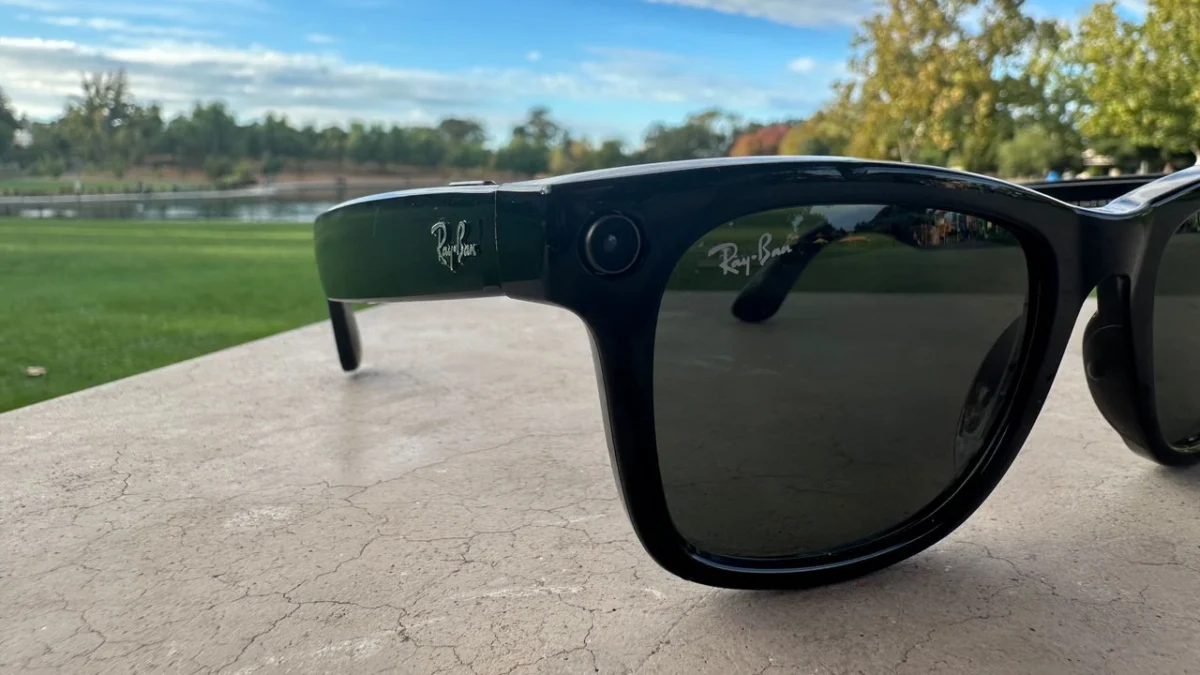
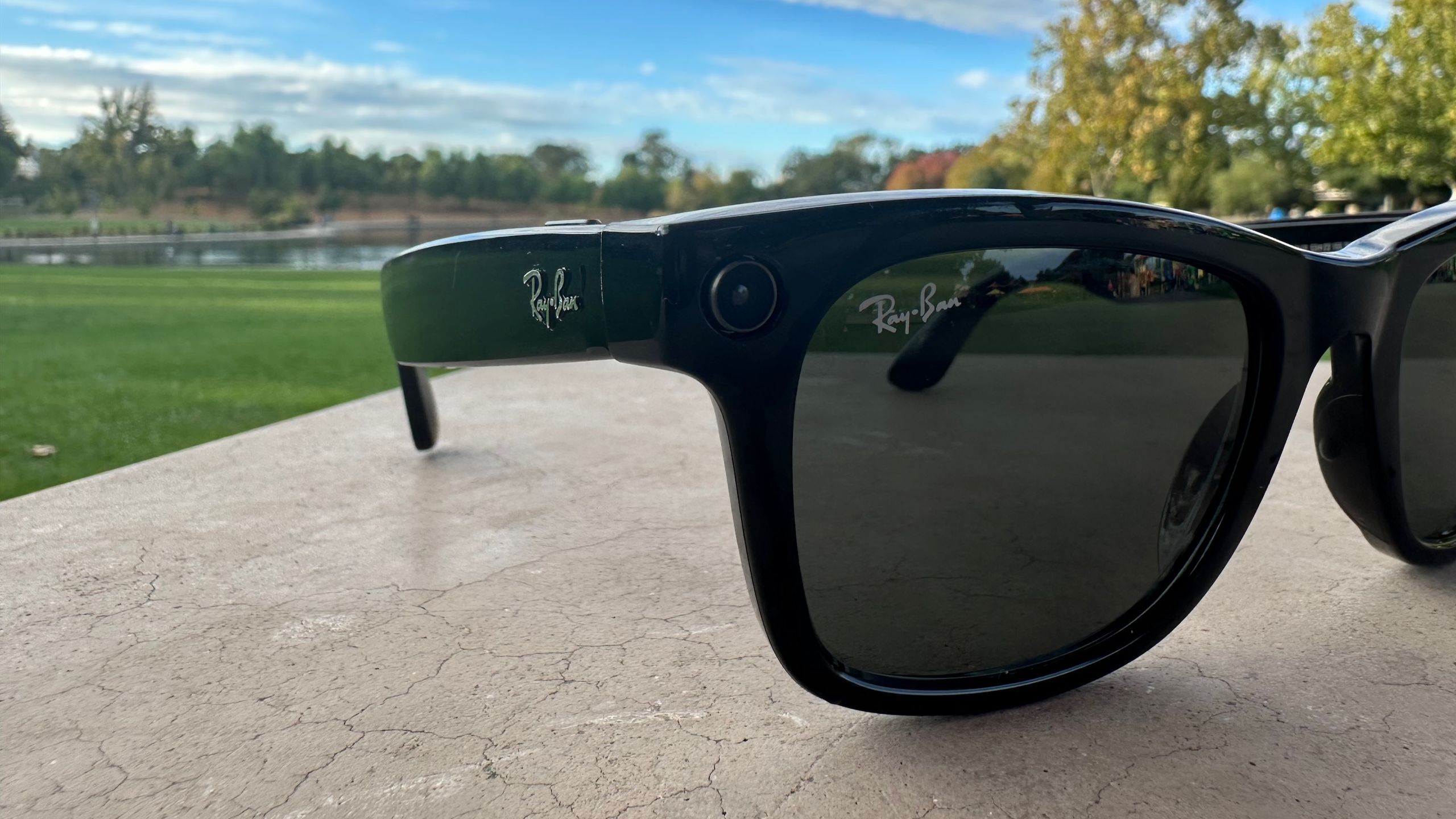
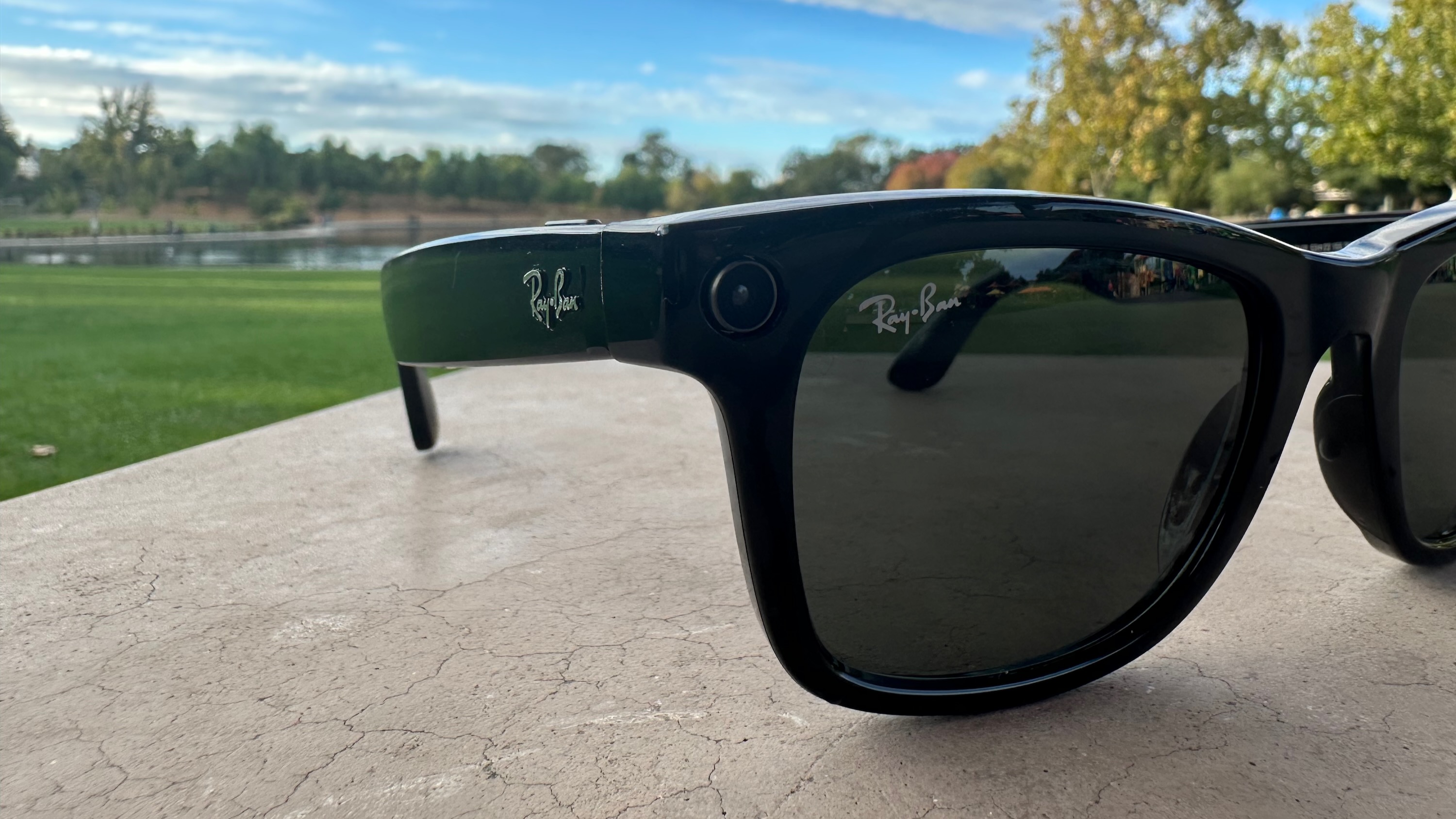
In a definitive move to cement its position at the forefront of the consumer artificial intelligence race, Meta has announced the impending integration of its latest large language model (LLM), Muse Spark, into its hardware ecosystem. Following a successful debut in Meta’s standalone AI applications and social media platforms, the "superintelligence" model is now set to power the company’s flagship wearable devices: the Ray-Ban Meta and Oakley Meta smart glasses.
This rollout represents a significant leap forward for Meta’s hardware strategy. By transitioning from basic voice commands to a sophisticated, multi-agent AI capable of real-time reasoning, Meta is attempting to shift the perception of smart glasses from simple novelty cameras to essential, "people-first" productivity tools.
Main Facts: What is Muse Spark?
Muse Spark is not merely an incremental update to Meta’s previous AI assistants; it is a fundamental shift in how the company approaches human-computer interaction. Positioned as a "people-first" intelligence, Muse Spark is designed to handle complex, multi-layered tasks with a level of fluidity that mimics human conversation.
Key features of the Muse Spark integration include:
- Conversational Fluidity: Unlike traditional voice assistants that require rigid commands, Muse Spark allows users to interrupt, pivot between topics, and switch languages mid-sentence without the system losing track of the context.
- Contextual Awareness: The model is designed to "keep up with your mindset." It maintains thread-based memory, allowing it to recall earlier parts of a conversation to provide relevant follow-up data or generate visual content on the fly.
- Multimodal Capabilities: The "Live AI" feature—previously limited to mobile apps—will now function via the glasses’ integrated cameras. Users can point their frames at an object, such as a product on a shelf, and ask the AI to identify it, compare prices, or find it on Facebook Marketplace.
Chronology: A Rapid Deployment Schedule
Meta’s deployment strategy for Muse Spark is aggressive, reflecting the company’s urgency to outpace competitors in the wearable AI space.
- April 2026: Meta officially unveiled Muse Spark, highlighting its "people-first" architecture and its ability to orchestrate multiple AI agents to solve complex problems.
- May 12, 2026: Meta confirmed that the update is currently rolling out to Ray-Ban Meta and Oakley Meta glasses. The rollout is scheduled to occur gradually over several weeks, specifically targeting users in the United States and Canada.
- Summer 2026: Meta has officially scheduled the release for the "Meta Ray-Ban Display" glasses, which will receive the update later in the season.
- September 23–24, 2026: All eyes are on the upcoming Meta Connect conference. Industry analysts anticipate that the event will serve as a launchpad for further advancements in AI, virtual reality (VR), and the next generation of wearable hardware.
Supporting Data and Technical Context
The integration of Muse Spark is supported by Meta’s ongoing investment in infrastructure. Unlike smaller, localized models, Muse Spark leverages Meta’s massive server-side compute resources to manage the heavy lifting of real-time reasoning.
According to technical documentation released by Meta, Muse Spark’s architecture is specifically optimized for low-latency feedback. For smart glasses users, this is crucial; if the latency between a voice query and an answer is too high, the utility of the hardware vanishes. By utilizing a "multi-agent" framework, the system can delegate tasks—such as web searching, image generation, or camera analysis—to specialized modules within the LLM, ensuring that the user receives an accurate response in seconds.
The hardware requirements for the Gen 1 and Gen 2 Ray-Ban Meta glasses appear to be well-suited for this rollout. Meta has confirmed that no additional hardware is required, as the heavy processing happens in the cloud, with the glasses acting as the high-fidelity conduit for audio and visual input.
Official Responses and Public Sentiment
The announcement has been met with a mix of excitement and cautious curiosity. In a public response to a user on X (formerly Twitter), the official Meta Newsroom account clarified the rollout timeline, stating: "Meta AI powered by Muse Spark will be gradually rolling out in the US and Canada on Ray-Ban Meta and Oakley Meta glasses over the next few weeks. It’s coming to Meta Ray-Ban Display this summer."
The developer community has been particularly vocal regarding the potential for this update. On platforms like Reddit, users are already comparing their experiences with the latest firmware updates. While some users reported early access, many noted that the update was still propagating through the servers. The general consensus among tech enthusiasts is that Muse Spark could finally bridge the gap between "toy" wearables and "professional-grade" augmented reality assistants.
Implications: The "People-First" Era
Meta’s decision to prioritize "people-first" AI suggests a shift in the company’s business model. Instead of viewing AI as a tool for data harvesting alone, Meta is clearly pivoting toward a model where AI acts as an invisible, always-on assistant.
1. The Death of the "Smartphone-Only" Era?
By putting a super-intelligent LLM on the user’s face, Meta is effectively challenging the hegemony of the smartphone. If a user can find a product on Facebook Marketplace, ask for a recipe while looking at their fridge, or translate a foreign menu just by glancing at it, the need to reach for a phone decreases. This is a massive strategic play to control the "head-worn" real estate of the future.
2. Privacy and Regulatory Challenges
With increased capabilities comes increased scrutiny. The ability for smart glasses to actively analyze the environment in real-time raises significant questions about privacy, consent, and data storage. As Meta rolls out these features in the U.S. and Canada, regulators are expected to monitor how the company handles the visual data processed by Muse Spark. Meta has previously emphasized its privacy safeguards, but as the technology becomes more intrusive, the "people-first" messaging will face rigorous testing.
3. Impact on Competitors
Meta’s move directly pressures companies like Google and Apple. With Google focusing on its own Gemini integration across Android and Apple rumored to be exploring "Apple Intelligence" for future hardware, Meta’s head start in the "Smart Glasses + LLM" sector is a critical advantage. If Muse Spark proves to be as reliable and fast as Meta claims, it could force a massive consolidation in the wearable market as smaller players struggle to match the compute power and ecosystem integration that Meta provides.
Conclusion: A Glimpse at the Future
As we look toward Meta Connect 2026 in September, it is clear that Muse Spark is just the beginning. The company is laying the groundwork for a future where AI is not a destination (like a chatbot on a screen) but a constant, ambient presence in our daily lives.
For the average user, the coming weeks represent a "wait-and-see" period. While the promise of an AI that can interrupt, learn, and assist is enticing, the real-world application will determine whether this is truly a revolution or merely a flashy update. Regardless of the immediate outcome, one thing is certain: Meta is no longer just a social media company—it is a hardware-integrated artificial intelligence powerhouse, and the glasses on your face are the primary interface for its new empire.
Stay tuned to Android Central for further updates as we continue to test the rollout of Muse Spark and monitor the developments leading up to Meta Connect 2026.
Author

Related Posts
The Dawn of the Gemini Era: Everything You Need to Know About the New "Googlebook" Ecosystem
- 0
- 1,081 word
In a landmark presentation during The Android Show, Google has officially unveiled a paradigm shift in personal computing: the "Googlebook." Moving beyond...
Read out all
The High-Stakes Storage Dilemma: A Deep Dive into the LaCie 8Big Pro5
- 0
- 1,266 word
In an era where data generation has reached unprecedented levels, the demand for reliable, high-capacity external storage has never been greater. For...
Read out all
Is a New Nest Hub on the Horizon? "Google Home Display" Surfaces in App Code
- 0
- 1,387 word
The smart home landscape, which once seemed to be moving toward a unified future, has seen a period of stagnation regarding dedicated...
Read out all
Amazon Unifies AI Strategy: Introducing ‘Alexa for Shopping’ to Bridge the Gap Between Smart Homes and E-Commerce
- 0
- 1,180 word
In a significant strategic pivot, Amazon has announced a major consolidation of its artificial intelligence initiatives. The e-commerce titan is effectively dismantling...
Read out all
Mastering WhatsApp Web: The Professional Guide to Desktop Connectivity
- 0
- 1,089 word
For millions of professionals and casual users alike, WhatsApp is no longer just a smartphone companion; it is a vital communication hub....
Read out all
Apple TV+ Greenlights Second Season of Hit Comedy ‘Margo’s Got Money Troubles’ Ahead of Season Finale
- 0
- 1,312 word
In a decisive move that underscores the streaming giant’s commitment to premium, talent-driven content, Apple TV+ has officially announced the renewal of...
Read out all