
- 0
- 1,081 word
In a landmark presentation during The Android Show, Google has officially unveiled a paradigm shift in personal computing: the "Googlebook." Moving beyond the traditional boundaries of ChromeOS, these new devices represent the first category of laptops built from the ground up with "Gemini Intelligence" as their foundational architecture. By marrying the vast, flexible ecosystem of Android with the robust, high-performance nature of a laptop form factor, Google is signaling a future where the line between mobile and desktop computing is effectively erased.
Main Facts: The Anatomy of a Googlebook
The Googlebook is not merely a laptop; it is an AI-first computing platform. At its core, the operating system—an Android-based evolution of the ChromeOS interface—is engineered to be context-aware. Unlike traditional operating systems that act as passive containers for applications, the Googlebook utilizes Gemini Intelligence to proactively assist users.
Premium Hardware and Design
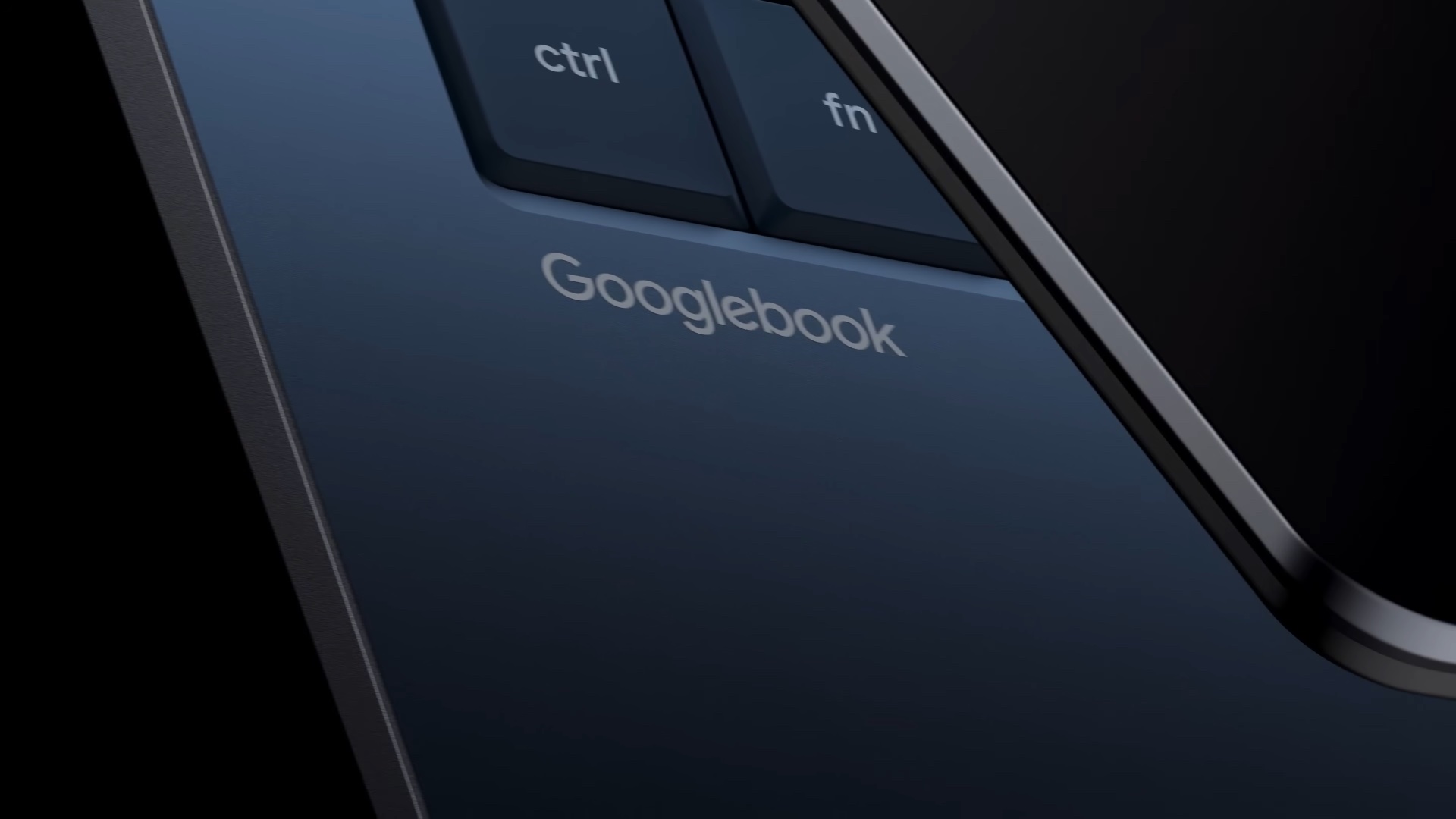
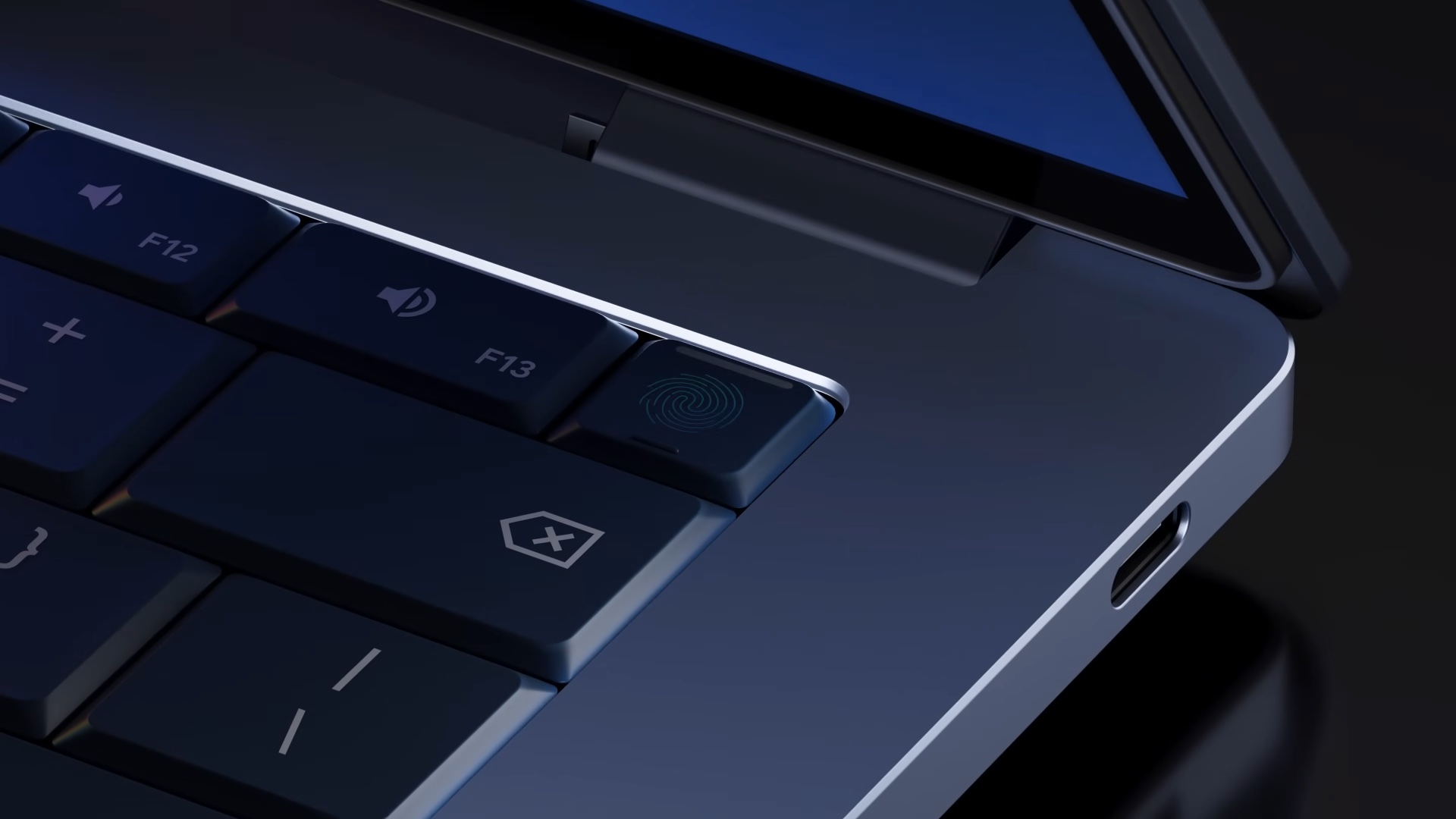
Googlebooks are designed to be high-end, premium machines. The chassis architecture prioritizes durability and aesthetics, featuring sophisticated metal builds that house high-resolution displays. Performance is bolstered by a diverse range of high-performance chipsets from industry titans, including Intel, MediaTek, and Qualcomm.
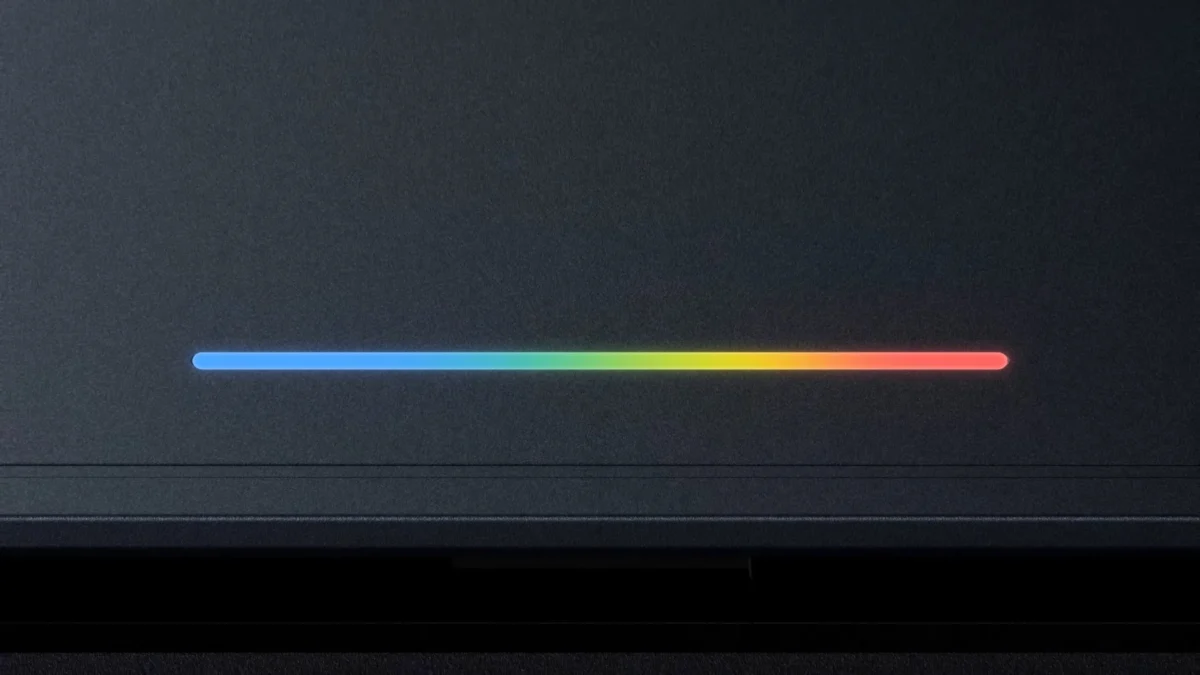
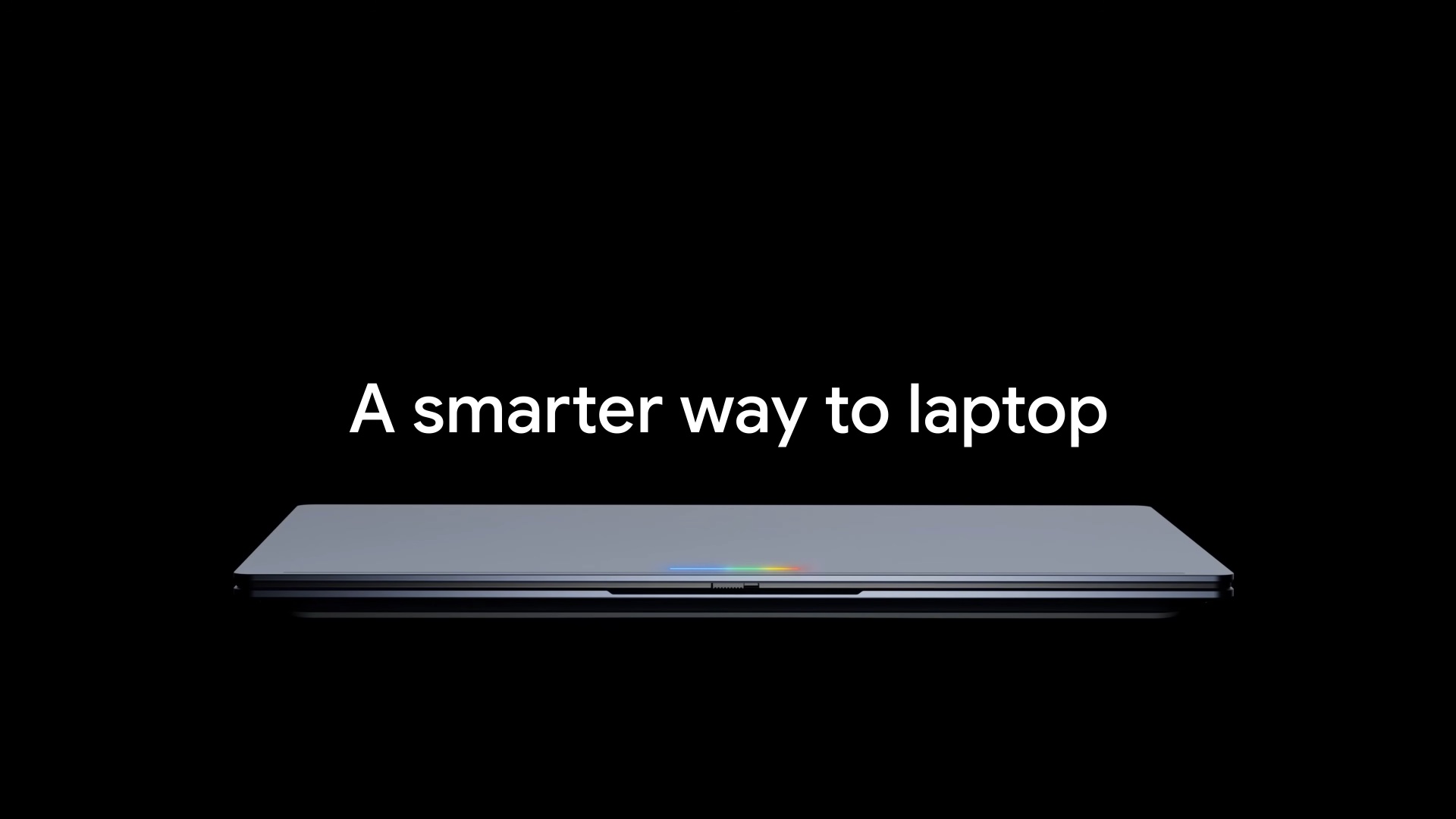
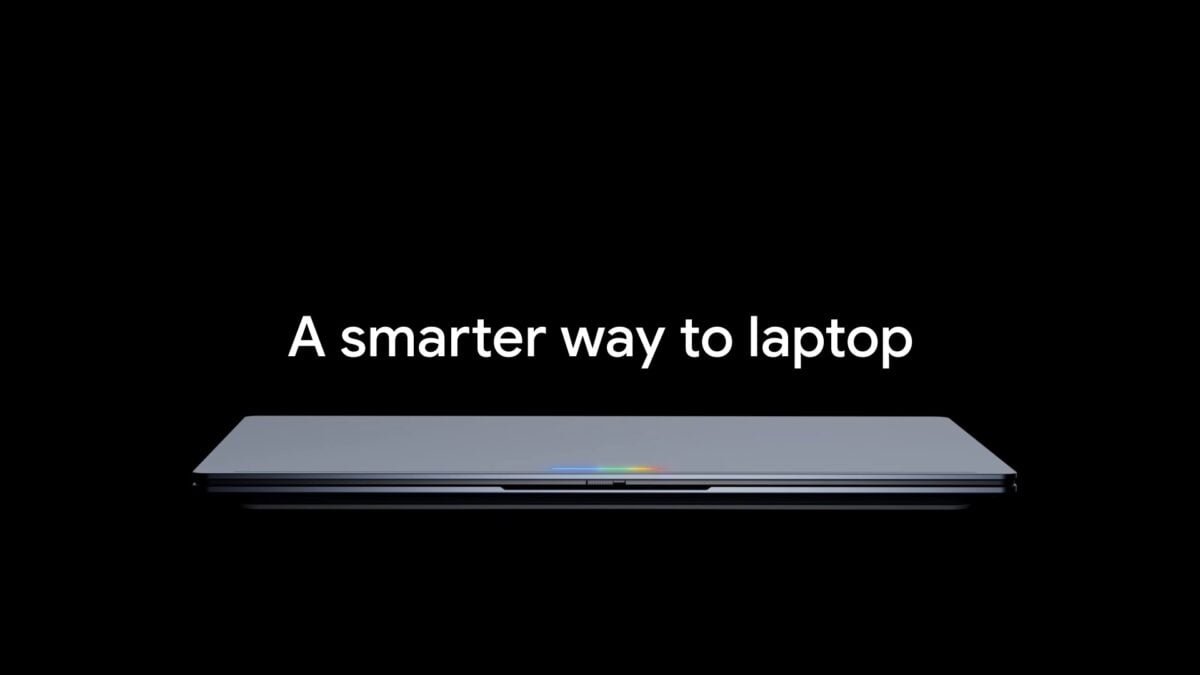
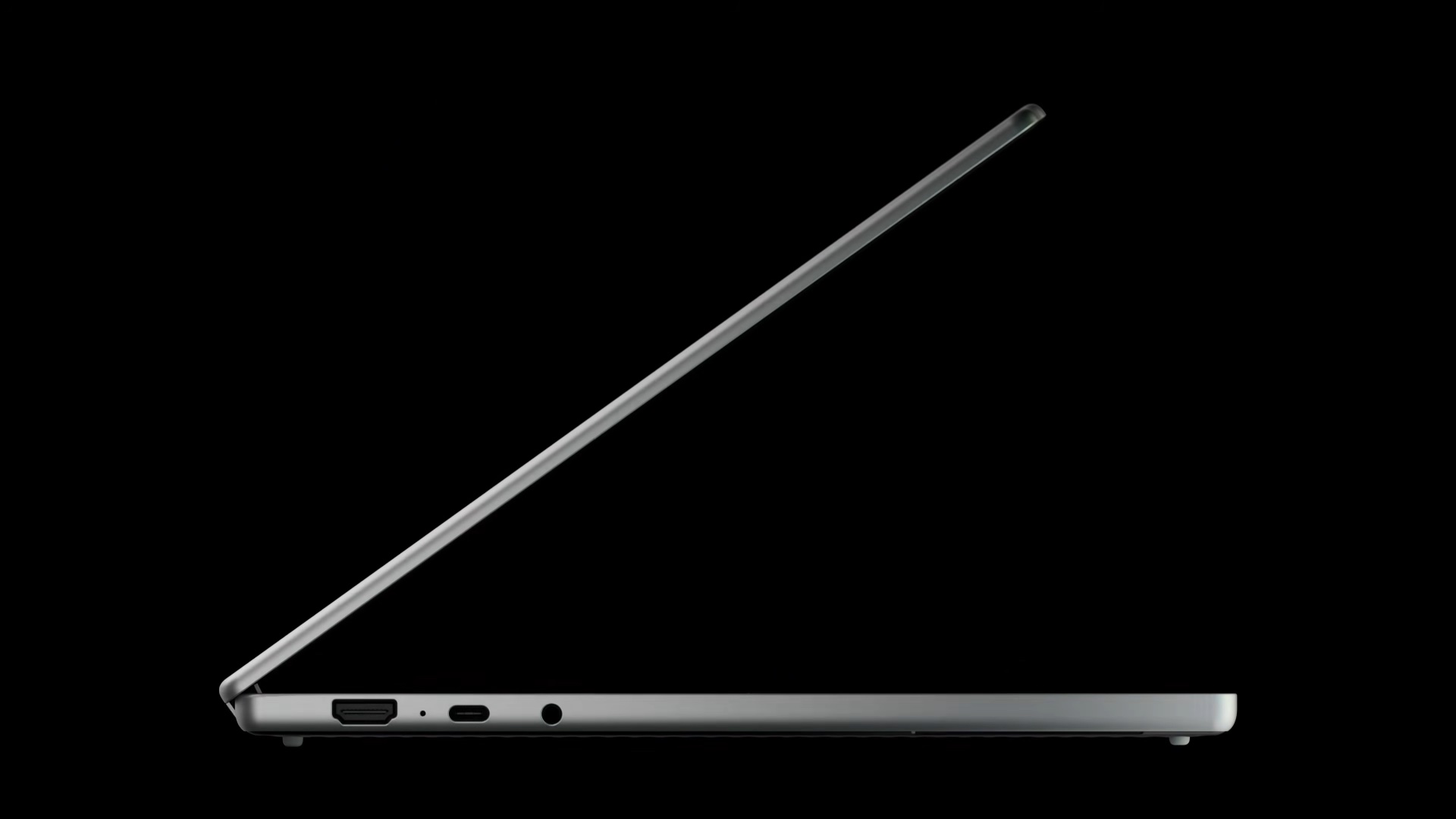
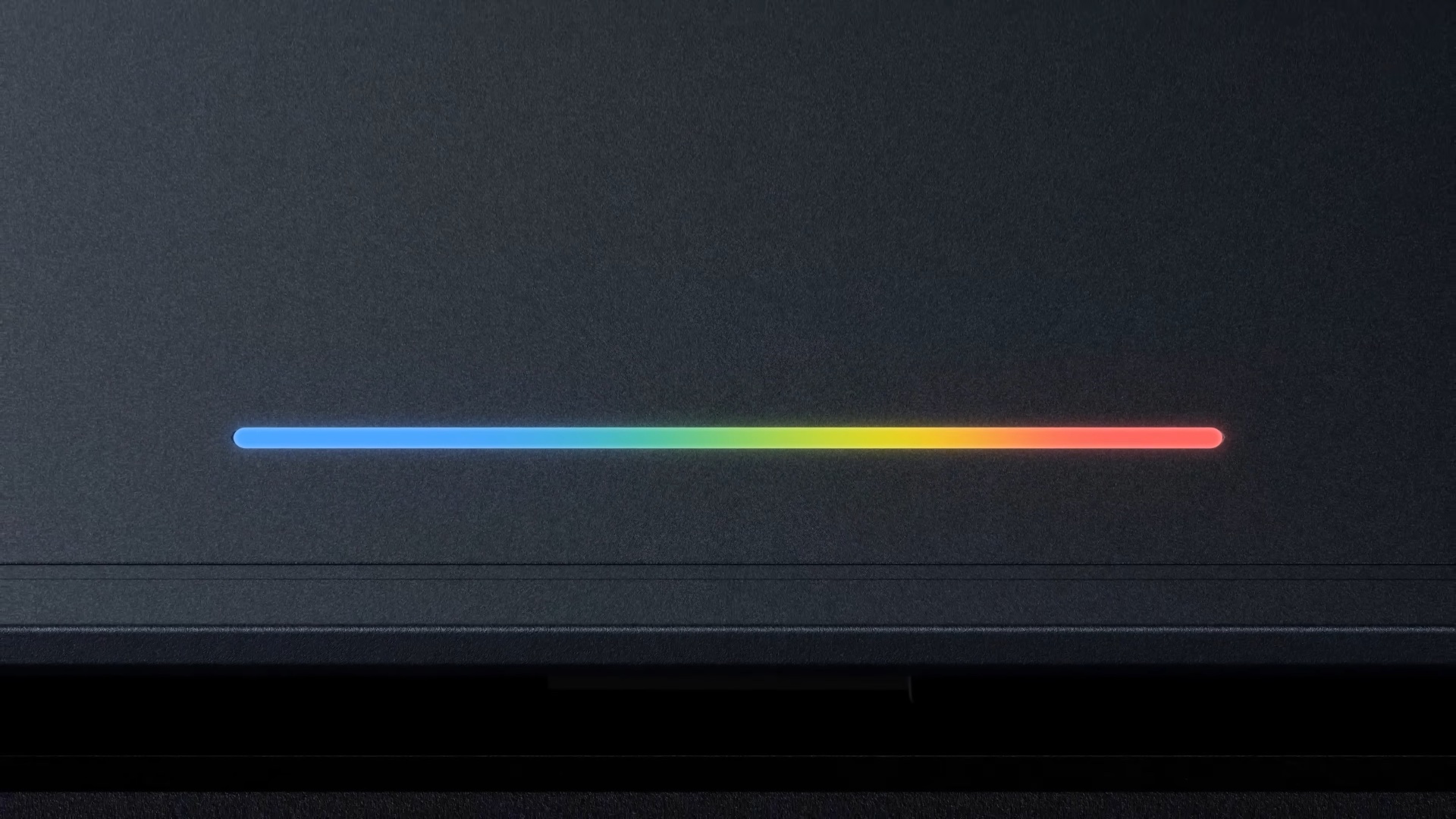
A signature design element across all Googlebook models is the "Glowbar"—a customizable RGB LED light bar integrated into the exterior lid. This aesthetic choice serves as a visual indicator of system status and AI activity, marking a distinct departure from the utilitarian look of standard laptops. Furthermore, connectivity is prioritized with a modern array of ports, including HDMI, high-speed USB-C, and 3.5mm headphone jacks, ensuring these machines remain versatile for both creative professionals and casual users.
Chronology: The Path to the Googlebook
The journey to the Googlebook has been a multi-year effort to refine the convergence of Android and ChromeOS.
- Pre-2025: Google began experimenting with deeper integration between Android apps and ChromeOS, laying the groundwork for a unified desktop experience.
- Early 2026: Leaks began to surface regarding a "next-gen" computing experience, with rumors of AI-native hardware circulating within the developer community.
- May 2026 (The Android Show): Google officially announces the "Googlebook" category, introducing the world to the concept of Gemini Intelligence at the core of a laptop.
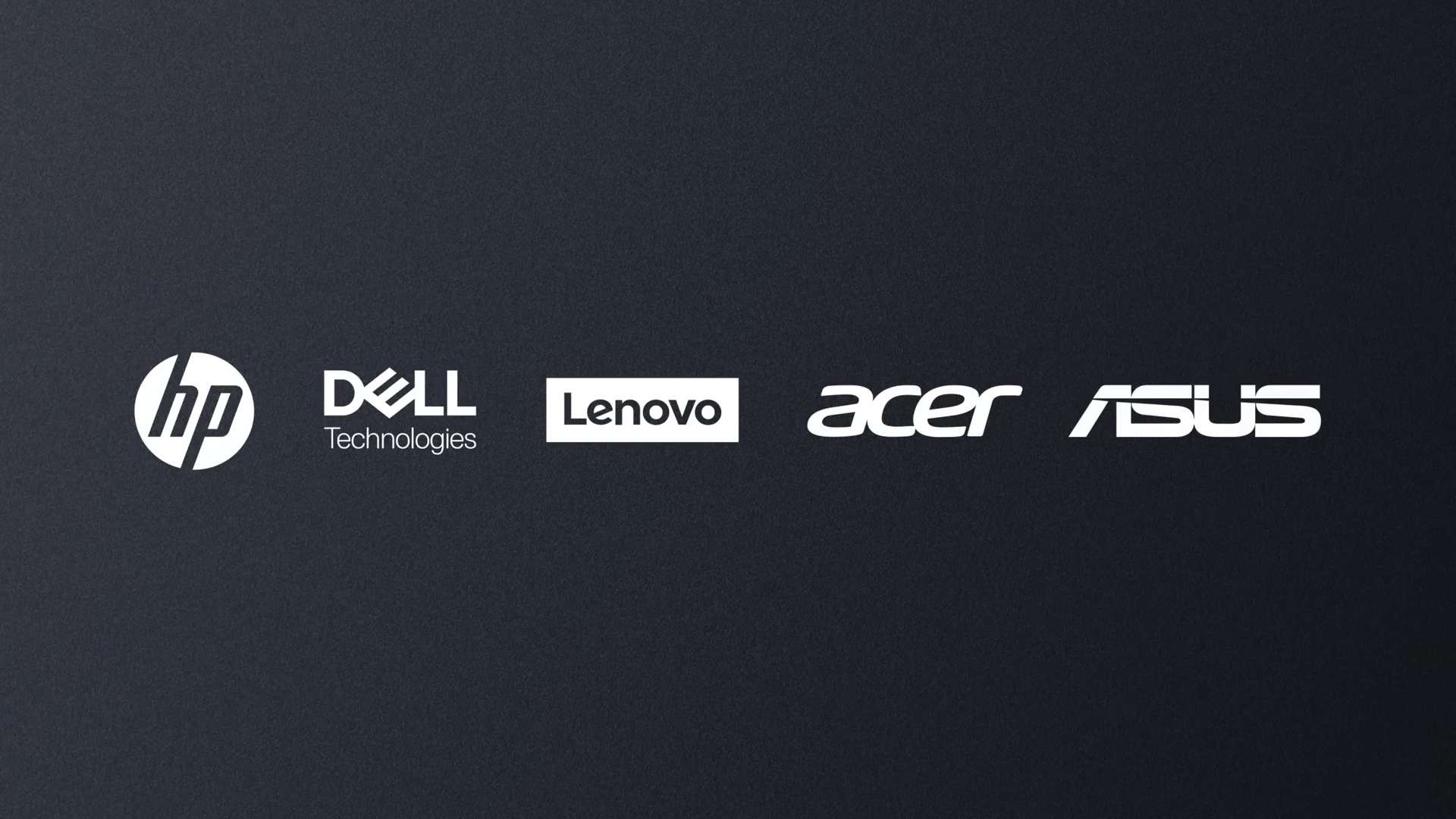
- Fall 2026 (Forthcoming): The initial retail launch is scheduled, with major OEMs including Acer, ASUS, Dell, HP, and Lenovo slated to release the first wave of devices.
Supporting Data: AI-Driven Productivity Features
The true power of the Googlebook lies in its intelligence features, which aim to minimize "friction" in the user experience.
The Magic Pointer
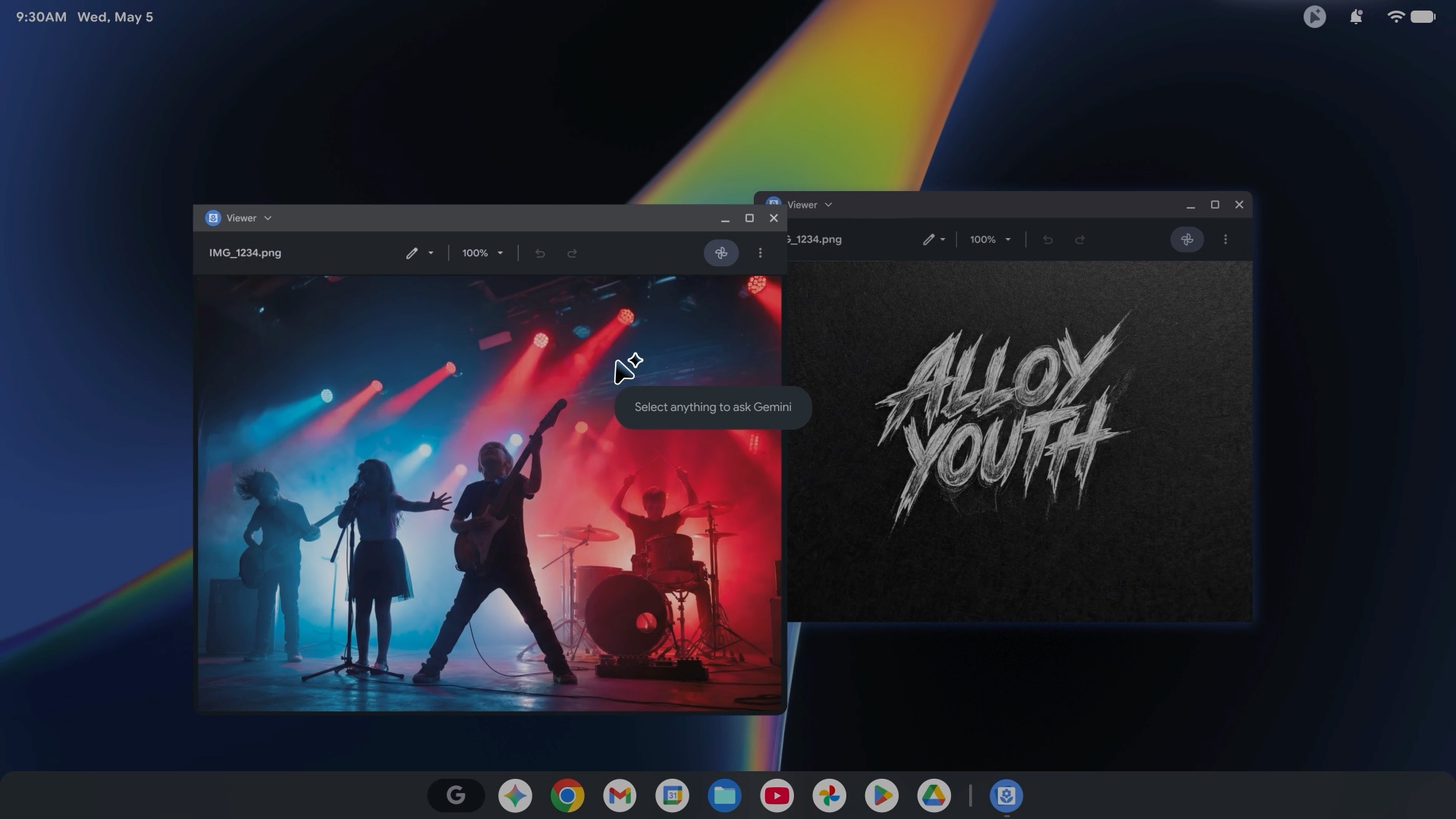
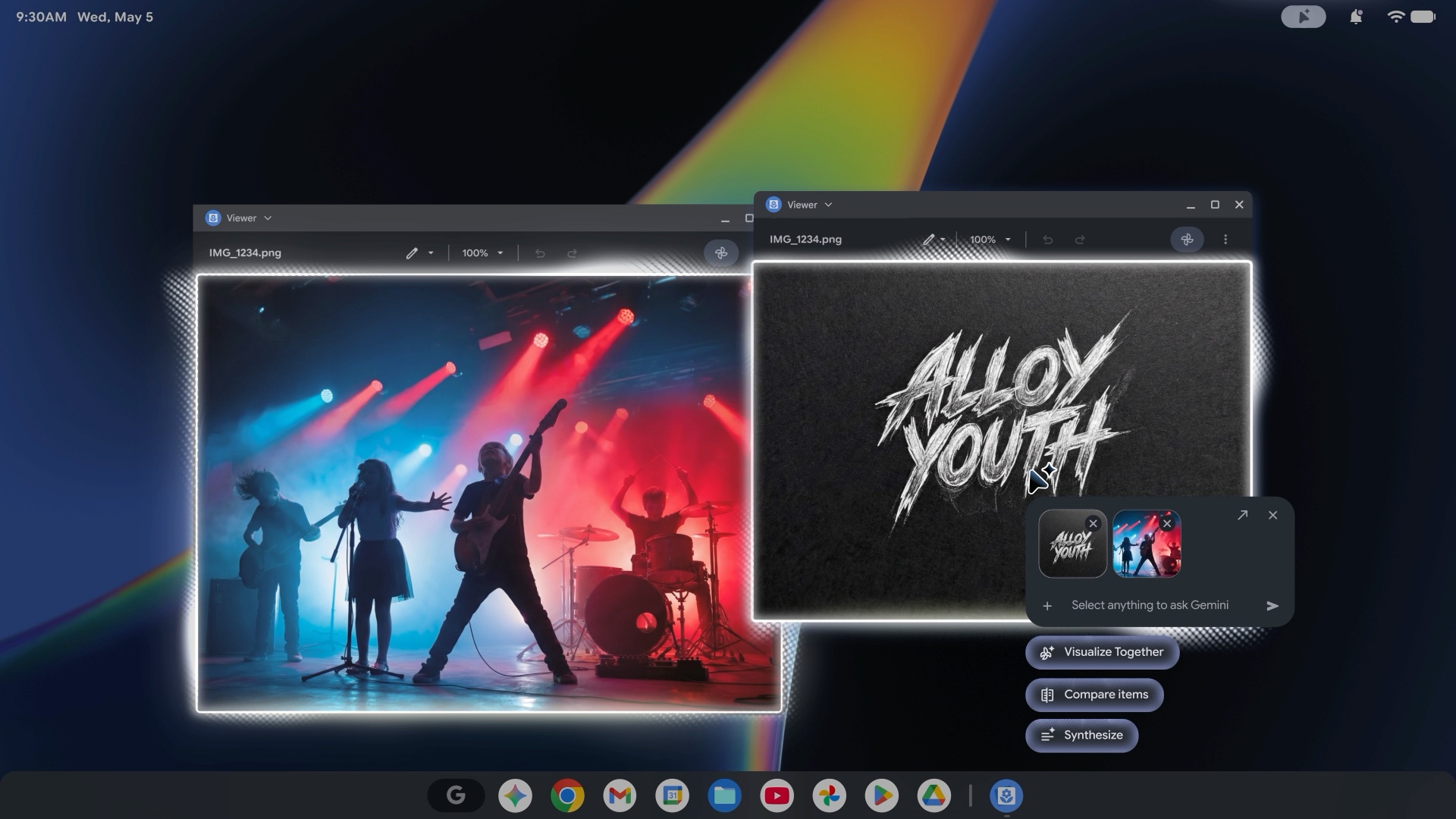
The "Magic Pointer" is perhaps the most innovative user interface tool introduced in years. By analyzing the context of where the cursor is hovering, the OS provides actionable, AI-driven suggestions. For instance:
- Email Contextualization: If the pointer rests over a date in an email, the system automatically prompts the user to create a calendar event or schedule a Google Meet video call.
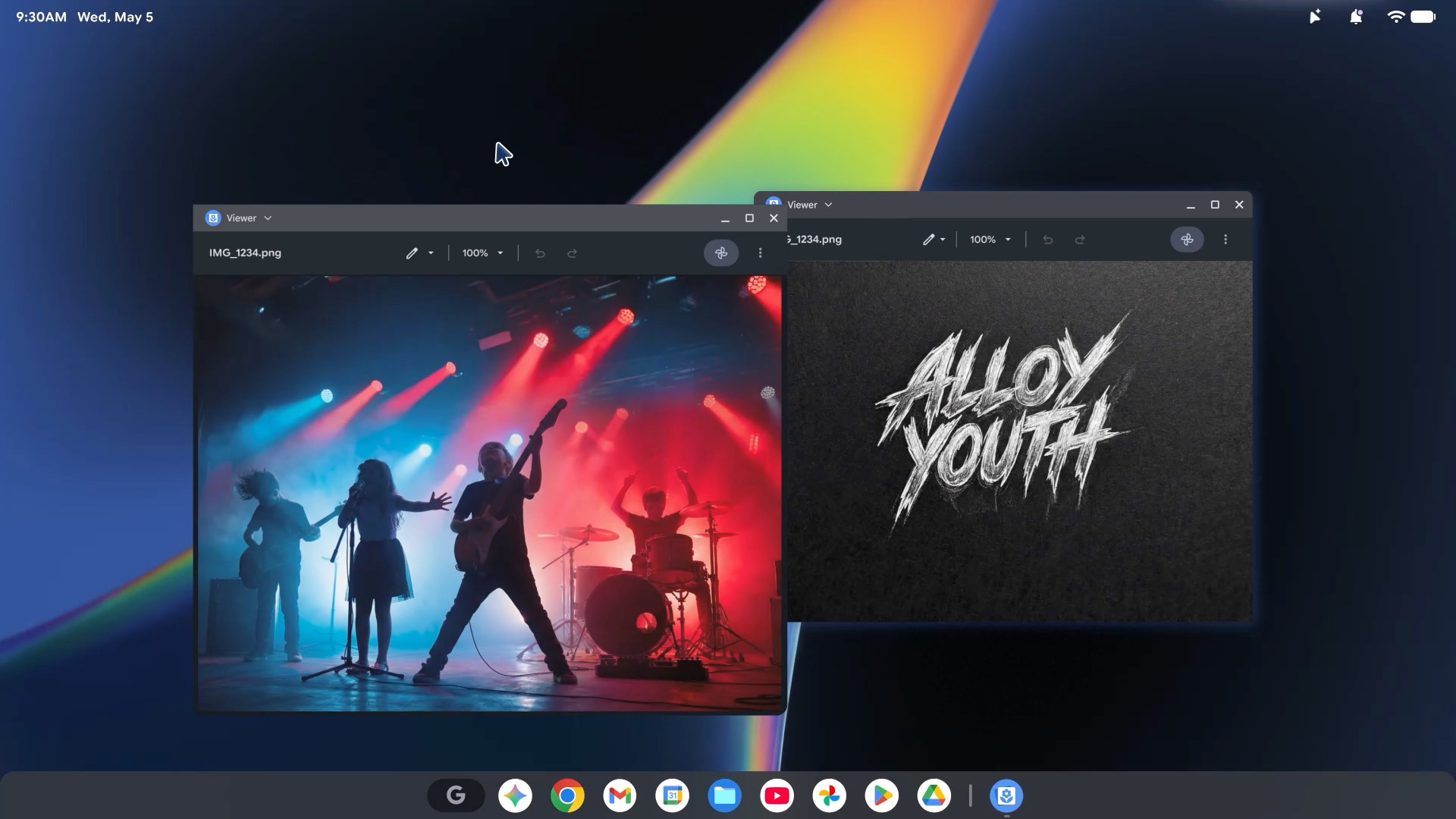
- Creative Synthesis: When multiple image files are selected, the system suggests merging them into a single, cohesive AI-generated composition using Gemini’s generative capabilities.
- Writing Assistance: Within any text input field, the Magic Pointer can offer real-time refinements for grammar, tone, and clarity.
Create My Widget
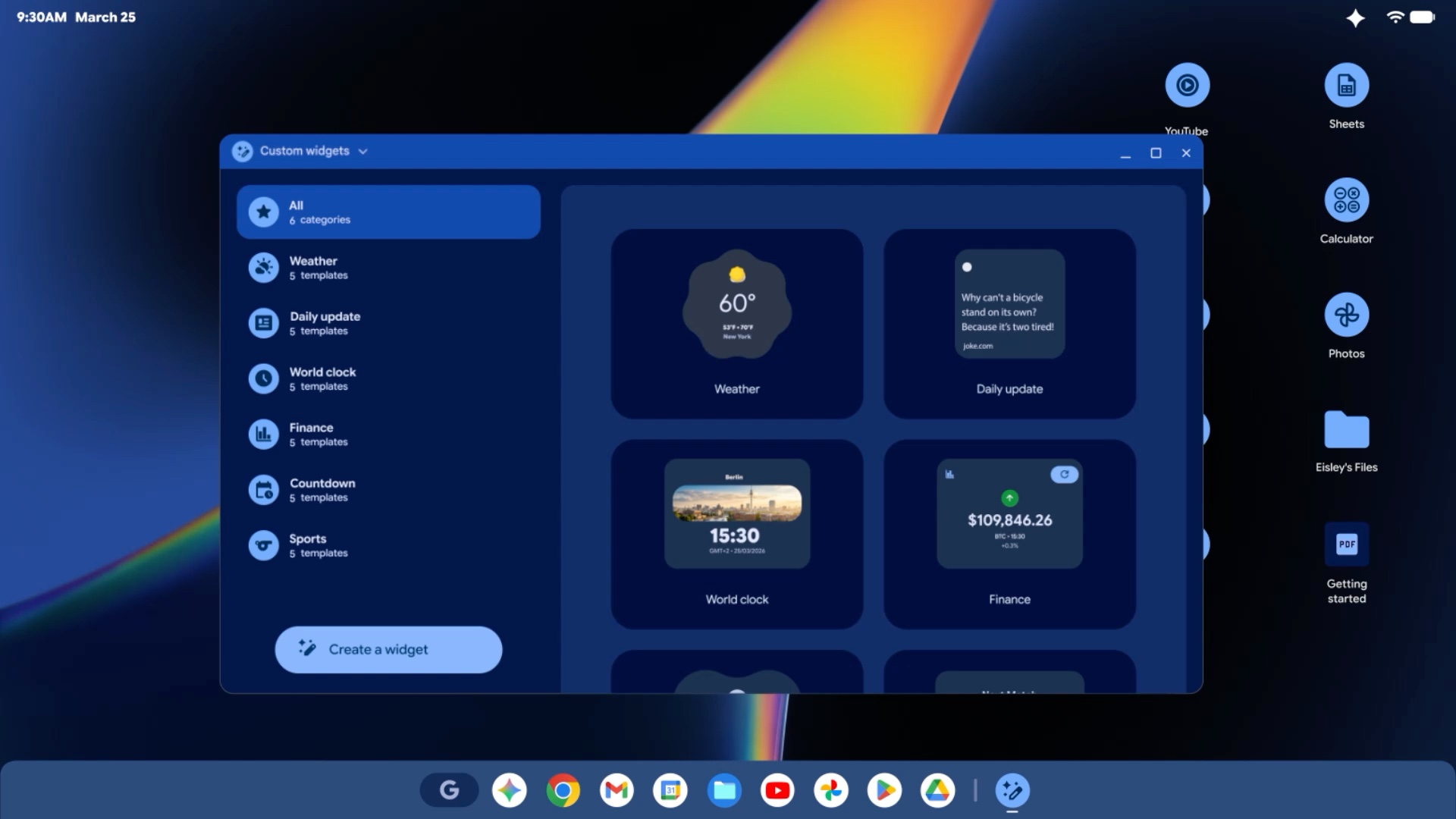
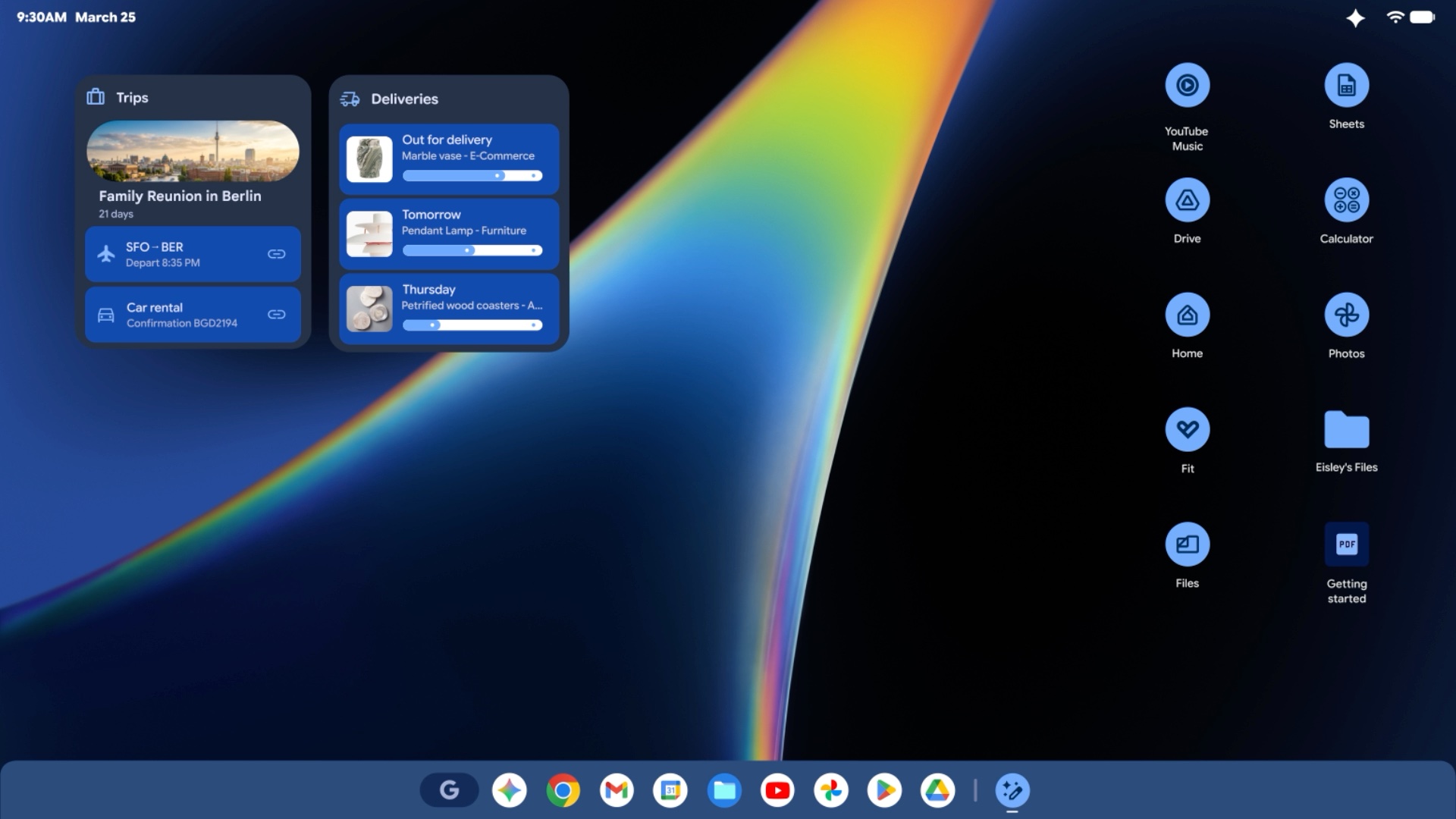
Recognizing the power of personalization, Google has introduced "Create My Widget," a feature that allows users to design custom information panels via simple natural language prompts. Whether it’s a dashboard for bicycle commuters—combining weather, air quality, and wind speed—or a complex productivity tracker, Gemini constructs these widgets to fit the user’s home screen layout perfectly. This technology, which is also rolling out to Android 17, ensures a consistent data experience across phone and laptop.
Cross-Device Ecosystem
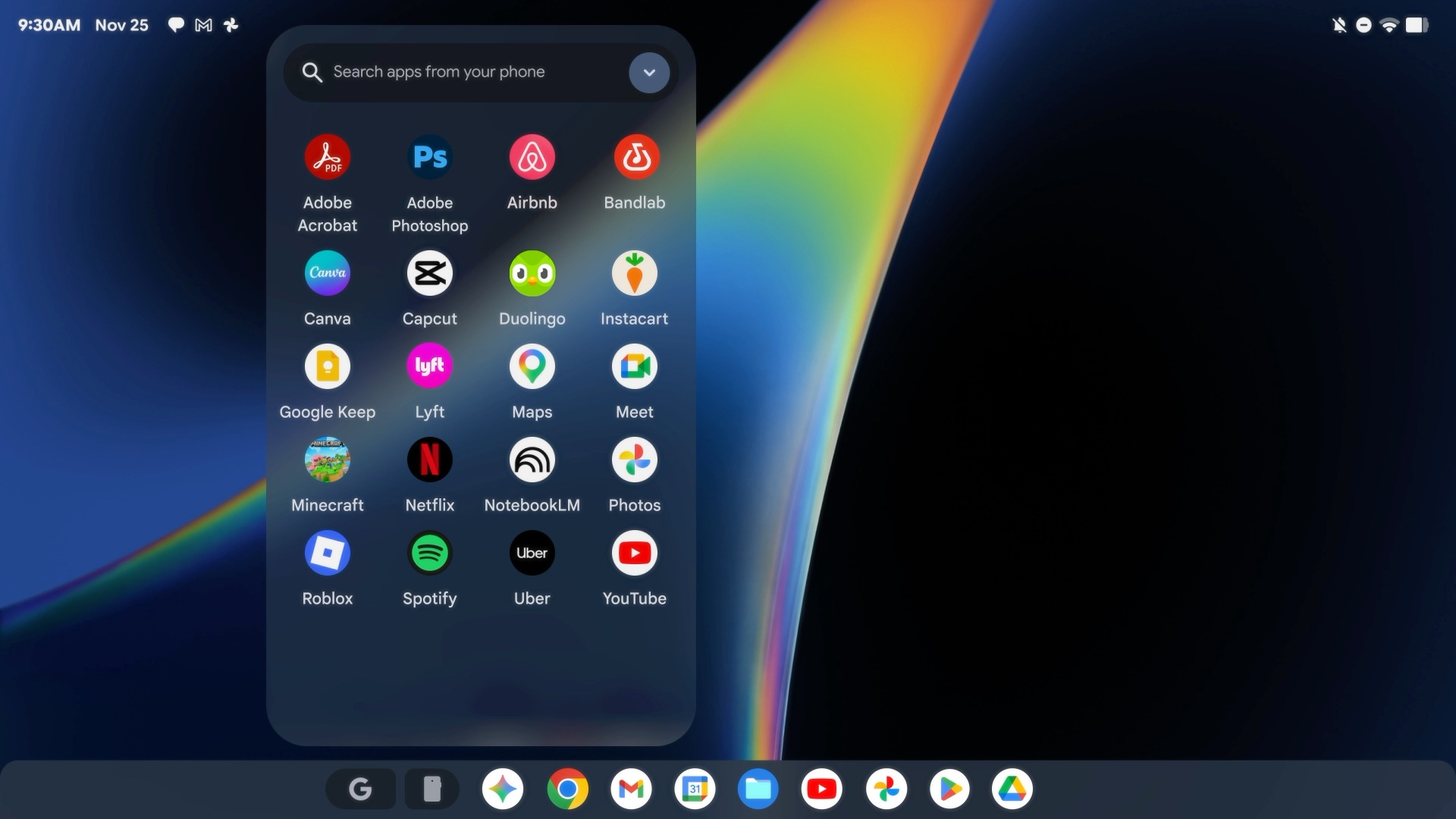
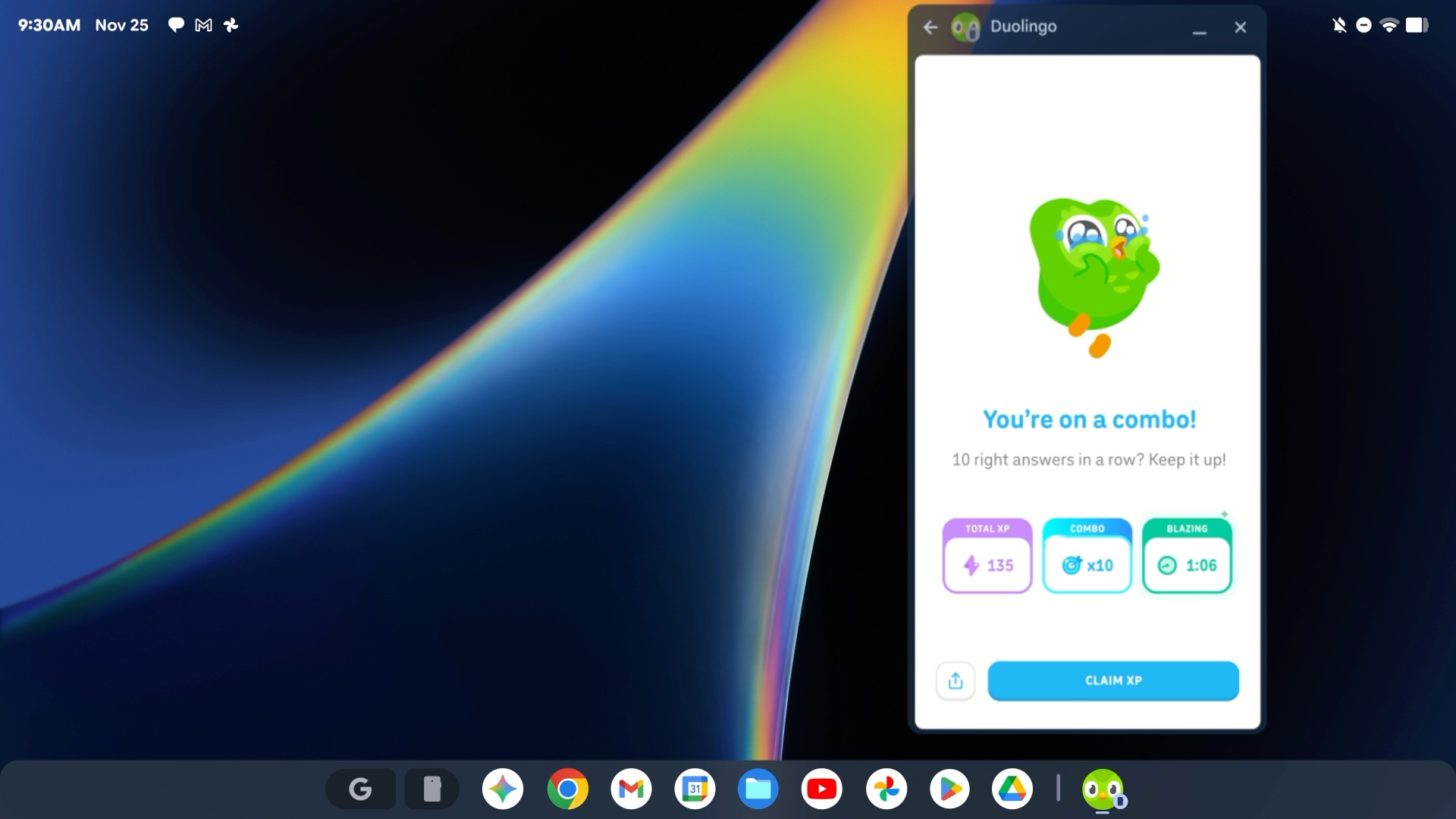
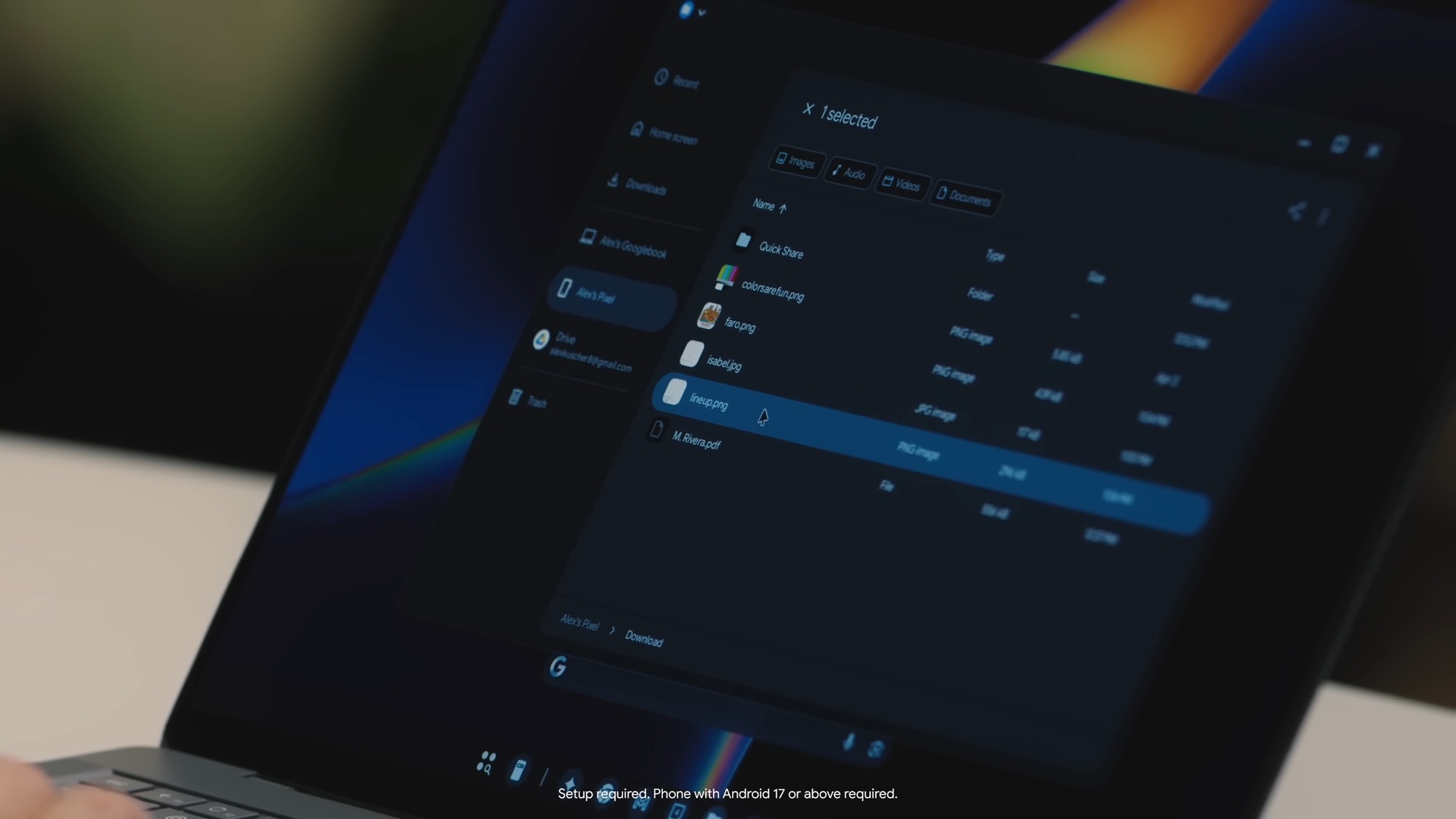
Googlebooks are designed to operate as an extension of the Android smartphone. By clicking a phone-shaped icon on the taskbar, users can "cast" their mobile apps directly to the laptop desktop. This allows for seamless transitions; a user can start an order in a food delivery app on their phone and complete the checkout on their laptop without the need for manual file transfers or complex synchronization. Furthermore, the integrated File Manager bridges the gap between local storage, Google Drive, and the paired smartphone, creating a unified cloud-local storage ecosystem.
Official Responses and Strategic Vision
During an interview with ChromeUnboxed, Google VP John Maletis emphasized that the Googlebook is not intended to replace existing ChromeOS devices overnight but rather to offer a "superior, intelligent tier" of computing.
"We are building a platform that understands intent," Maletis noted. By partnering with industry leaders like ASUS and Lenovo, Google is ensuring that the hardware ecosystem is diverse enough to cater to everyone from enterprise executives to students. While Google has remained quiet on specific partnerships regarding Samsung, industry analysts suggest that Samsung’s ongoing development of Galaxy-branded laptops with One UI 9 indicates they will be a significant player in the Googlebook ecosystem, likely offering the most refined hardware-software integration for current Android users.
Implications: The Future of Desktop Computing
The introduction of the Googlebook carries profound implications for the PC industry.
A Challenge to Legacy Systems
For decades, Windows and macOS have defined the desktop environment. Google is now challenging this duopoly by offering an OS that is "mobile-first" in its DNA. By bringing the Android app library—which numbers in the millions—to the desktop, Google is solving the "app gap" that has historically plagued alternative operating systems.
The Privacy and Security Landscape
With Gemini Intelligence processing data from user accounts, Google has faced questions regarding privacy. The company has maintained that the Googlebook architecture is built with "on-device intelligence" in mind, attempting to balance proactive assistance with data security. As these machines reach the market, the success of the platform will likely depend on user trust and the transparency of how these AI features handle personal data.
Impact on Enterprise and Education
For schools and businesses, the Googlebook represents a potential simplification of IT management. With native support for Google Workspace and seamless Android app integration, the deployment of "Googlebook" fleets could offer a more streamlined, cost-effective solution than traditional managed PCs.
Conclusion: A New Standard
The Googlebook is an ambitious attempt to unify the fragmented state of mobile and desktop computing. By placing Gemini at the center of the user experience, Google is moving away from the "window-based" computing of the 90s and toward a "context-based" future. As we approach the Fall 2026 launch, the tech world will be watching closely to see if the hardware can live up to the promise of its software. For now, one thing is clear: the era of the smart-laptop has officially begun.
Author

Related Posts
The High-Stakes Storage Dilemma: A Deep Dive into the LaCie 8Big Pro5
- 0
- 1,266 word
In an era where data generation has reached unprecedented levels, the demand for reliable, high-capacity external storage has never been greater. For...
Read out all
Is a New Nest Hub on the Horizon? "Google Home Display" Surfaces in App Code
- 0
- 1,387 word
The smart home landscape, which once seemed to be moving toward a unified future, has seen a period of stagnation regarding dedicated...
Read out all
Amazon Unifies AI Strategy: Introducing ‘Alexa for Shopping’ to Bridge the Gap Between Smart Homes and E-Commerce
- 0
- 1,180 word
In a significant strategic pivot, Amazon has announced a major consolidation of its artificial intelligence initiatives. The e-commerce titan is effectively dismantling...
Read out all
Mastering WhatsApp Web: The Professional Guide to Desktop Connectivity
- 0
- 1,089 word
For millions of professionals and casual users alike, WhatsApp is no longer just a smartphone companion; it is a vital communication hub....
Read out all
Meta’s "Muse Spark" AI Revolution: Bringing Superintelligence to Your Smart Glasses
- 0
- 1,201 word
In a definitive move to cement its position at the forefront of the consumer artificial intelligence race, Meta has announced the impending...
Read out all
Apple TV+ Greenlights Second Season of Hit Comedy ‘Margo’s Got Money Troubles’ Ahead of Season Finale
- 0
- 1,312 word
In a decisive move that underscores the streaming giant’s commitment to premium, talent-driven content, Apple TV+ has officially announced the renewal of...
Read out all