
- 0
- 1,243 word
After an influential eight-year run that helped define the discourse surrounding the connected world, The Internet of Things Podcast has officially broadcast its final episode. Episode 437, titled “Goodbye and good luck,” serves as a poignant coda for a show that became a primary touchstone for technologists, industry analysts, and curious consumers alike. Rather than focusing on the frenetic pace of the current news cycle—such as the highly anticipated Arm IPO or the latest hardware releases from industry stalwarts like Leviton and Brilliant—the final installment focuses on legacy, reflection, and the future of the IoT landscape.
The Main Facts: A Culmination of Eight Years
Since its inception, The Internet of Things Podcast served as the definitive chronicle of the smart home and industrial IoT (IIoT) evolution. The podcast provided a bridge between the high-level strategies of Silicon Valley and the practical, often messy realities of installing smart switches and managing home automation protocols.
The decision to conclude the series was not driven by a lack of subject matter, but rather a deliberate choice by the hosts to step back and pursue new ventures. By choosing not to cover the week’s standard tech headlines, the final episode functioned as a "living document" of the show’s philosophy: prioritizing the human experience of technology over the mere consumption of gadgetry. The final broadcast addressed the hosts’ motivations for moving on and provided a curated roadmap for listeners who are seeking to fill the void left by the show’s departure.
A Chronology of Connectivity: From Niche to Necessity
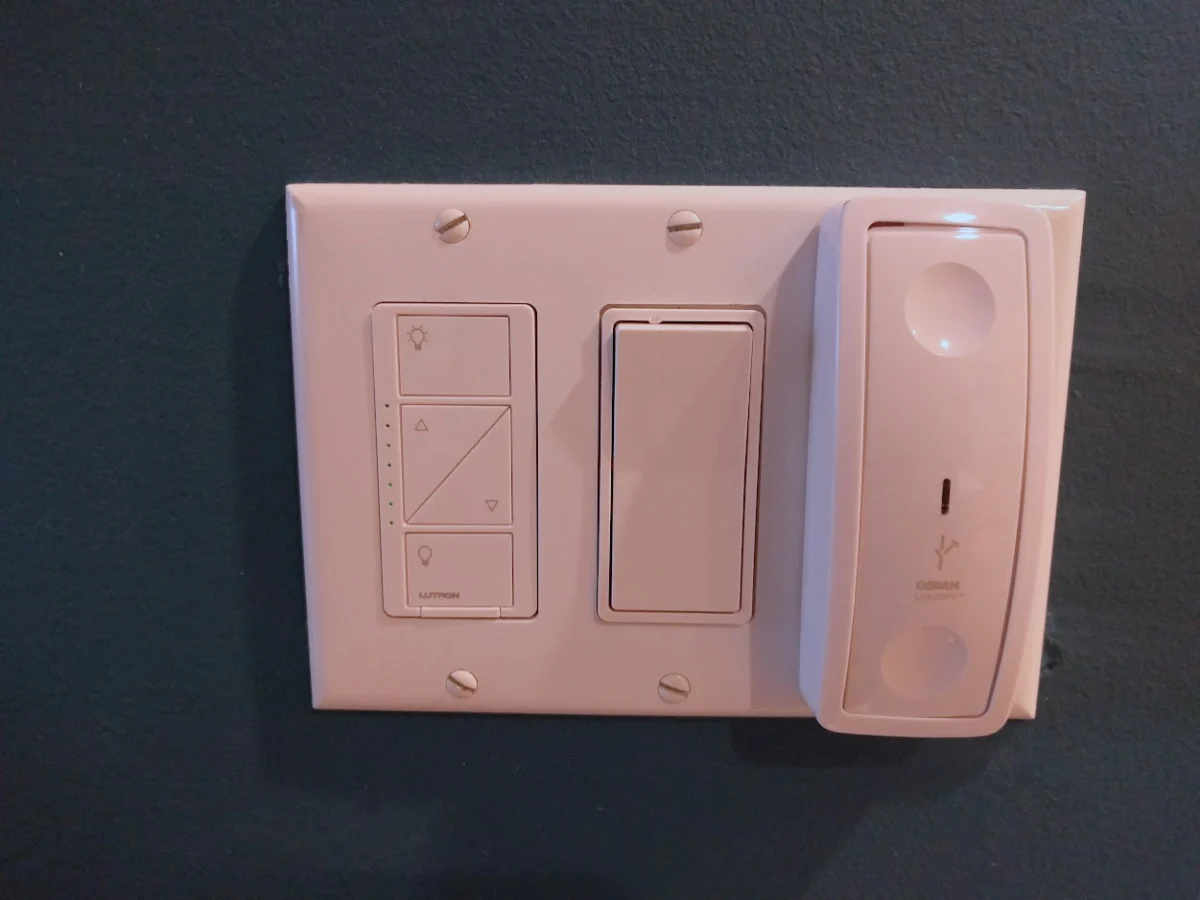
When the show began its full-time run in 2016, the "Internet of Things" was still largely viewed as a disparate collection of experiments. Early adopters were often forced to sacrifice aesthetic consistency—as noted by the show’s hosts, who joked that they never had matching light switches again once they began their deep dive into the industry.
- 2016: The show launches, coinciding with the early explosion of consumer-grade smart home devices. It quickly gains traction for its balanced reporting on privacy, security, and interoperability.
- 2017–2020: The podcast tracks the maturation of voice assistants and the initial hurdles of platform fragmentation. It becomes a critical voice in analyzing how companies like Amazon, Google, and Apple attempt to control the smart home ecosystem.
- 2021–2022: The show leans heavily into the development of Matter, the universal interoperability standard, providing expert analysis on how it could reshape the industry.
- 2023: The final episode is recorded, marking the end of an era. The show concludes by looking toward the future of home infrastructure, emphasizing the shift from "smart devices" to "smart systems."
Supporting Data: Navigating the IoT Information Ecosystem
One of the most valuable contributions of the final episode was the hosts’ comprehensive guide to staying informed in a post-podcast landscape. For those looking to continue their education, the hosts recommended a robust ecosystem of sources that represent the gold standard of IoT journalism and analysis:
Curated Resources for IoT Enthusiasts
- Podcasts: The Mr. Beacon Show for deep dives into tracking and location technology; The IoT Podcast for continued industry updates.
- Journalistic Outlets: The Verge and TechHive for consumer-facing smart home reviews; The Ambient for general news; and the Journal of Innovation from the Industrial IoT Consortium for high-level technical white papers.
- Community Forums: The r/smarthome and r/homeautomation communities on Reddit remain essential for troubleshooting and real-world user perspectives.
- Industry Insights: The work of James Blackman at RCR Wireless is highlighted as essential reading for those tracking the enterprise and industrial side of IoT.
- Expert Newsletters: Axios Pro Rata by Dan Primack for financial and M&A data; and Target is New by Iskander Smit, which offers a unique, design-led perspective on the intersection of AI and IoT.
Official Perspectives: A Final Conversation with Jennifer Pattison Tuohy
The final episode featured a guest appearance by Jennifer Pattison Tuohy, a veteran technology reporter from The Verge. Her inclusion was a deliberate nod to the importance of institutional memory in tech journalism.
Tuohy, who has covered the smart home sector for nearly a decade, provided a synthesis of where the industry stands today. Her analysis touched on the state of the Matter standard, which she views as the essential infrastructure required for the industry to reach maturity. According to Tuohy, the shift in focus from individual devices to holistic home infrastructure represents the most significant trend in current IoT development.
She also discussed the challenges of business models within the sector. As many companies struggle to find sustainable revenue streams beyond initial hardware sales, Tuohy suggested that service-based and infrastructure-level models are the most likely to succeed in the long term. Her insights into the Connectivity Standards Alliance (CSA) offered a rare, optimistic view of a future where devices are no longer "walled off" from one another.
Implications: The Future of the Smart Home
The conclusion of The Internet of Things Podcast arrives at a pivotal moment for the industry. As the excitement surrounding "novelty" smart devices fades, the focus has shifted toward reliability, security, and energy management.
The Shift Toward Infrastructure
The final listener question addressed on the show—what constitutes a "complete" smart home—highlighted a changing sentiment. The industry is moving away from the "gadget-a-week" mentality and toward an integrated approach where the home acts as a cohesive organism. This includes:
- Energy Management: As seen in recent innovations like the new Leviton smart circuit breakers, managing the flow of electricity is becoming as critical as controlling the lightbulbs.
- Universal Standards: The success of Matter is no longer optional; it is the prerequisite for consumer trust.
- Privacy-First Design: The hosts emphasized that future innovation must be grounded in privacy, as users become increasingly wary of data-harvesting business models.
A Legacy of Education
The impact of this podcast extends beyond the technical specifications of sensors and hubs. By hosting guests like Tuohy and fostering a community of listeners who demand more than just marketing fluff, the show helped professionalize the discourse around the IoT.
As we look toward the future, the lessons provided by the show remain clear: technology in the home should serve the occupant, not the manufacturer. The industry is entering a "post-hype" phase where the most successful companies will be those that prioritize interoperability and long-term value over short-term gimmicks.
Closing Thoughts
While the silence on the Internet of Things Podcast feed will be felt by its dedicated community, the hosts have left behind a massive, searchable archive of knowledge. The final episode serves as a fitting sign-off for a project that was, at its heart, a guide to navigating the complexities of the modern digital home.
As the industry continues to evolve, the resources and frameworks established by this podcast will likely remain relevant. Whether through the lens of The Verge’s reporting or the ongoing discussions in online communities, the dialogue that the podcast helped to start will continue. For those interested in the future of the smart home, the message from the final episode is simple: stay curious, prioritize open standards, and remember that the best smart home is one that you barely have to think about.
The journey of the past eight years was not just about the technology itself; it was about the people—the engineers, the reporters, and the users—who navigated the early, unmapped territory of the connected world. As the podcast signs off, it leaves behind an industry that is significantly more mature, more connected, and more thoughtful than it was in 2016.
Author

Related Posts
Smart Living on a Budget: The Ultimate Guide to Affordable Amazon Alexa Devices in 2026
- 0
- 1,130 word
The landscape of domestic technology has undergone a seismic shift over the last decade. What was once considered a luxury for the...
Read out all
The PCIe 5.0 Dilemma: Why Next-Gen Storage is a Productivity Powerhouse, Not a Gaming Necessity
- 0
- 1,281 word
By Tanveer Singh Published May 13, 2026 The landscape of PC storage has undergone a seismic shift over the past few years....
Read out all
Meta Connect 2026: Preparing for a New Frontier in AI and Spatial Computing
- 0
- 1,186 word
The technology sector is bracing for a pivotal moment as Meta officially sets the stage for its marquee annual event. Meta has...
Read out all
The Evolution of the Drive-Thru: Why McDonald’s is Hitting the Reset Button on AI Order-Taking
- 0
- 1,133 word
In a significant pivot for the fast-food industry’s digital transformation, McDonald’s has announced the conclusion of its long-running test of Automated Order...
Read out all
Silent Speakers and Crystal-Clear Displays: The Definitive Guide to Eliminating A/V Noise
- 0
- 1,179 word
There is nothing more frustrating for an enthusiast than the "unboxing high"—that moment of anticipation when you plug in your new high-end...
Read out all
Eufy Redefines Automated Home Care: Unveiling the Flagship Omni S2 Robot Vacuum and Mop
- 0
- 1,128 word
In an era where smart home automation is rapidly evolving from a luxury into a household necessity, Eufy has firmly positioned itself...
Read out all