- 0
- 1,186 word
The technology sector is bracing for a pivotal moment as Meta officially sets the stage for its marquee annual event. Meta has confirmed that Connect 2026 will take place on September 23–24, inviting developers, industry experts, and enthusiasts to its Menlo Park, California campus. As the company continues to pivot its massive financial resources toward the dual pillars of artificial intelligence and spatial computing, this year’s conference is shaping up to be more than just a product showcase; it is a declaration of intent for the future of human-computer interaction.
The Core Objective: Defining the Next Computing Platform
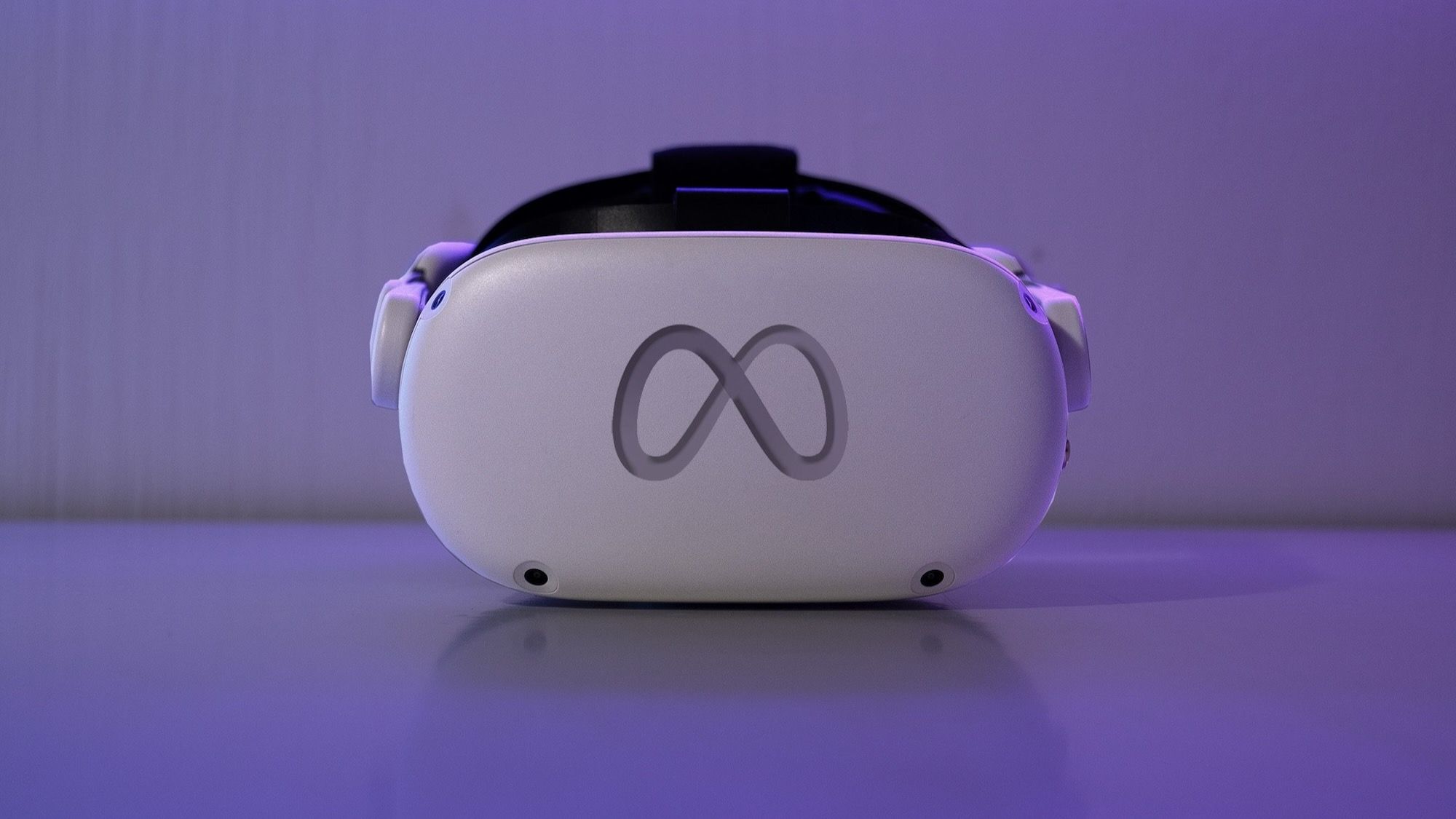
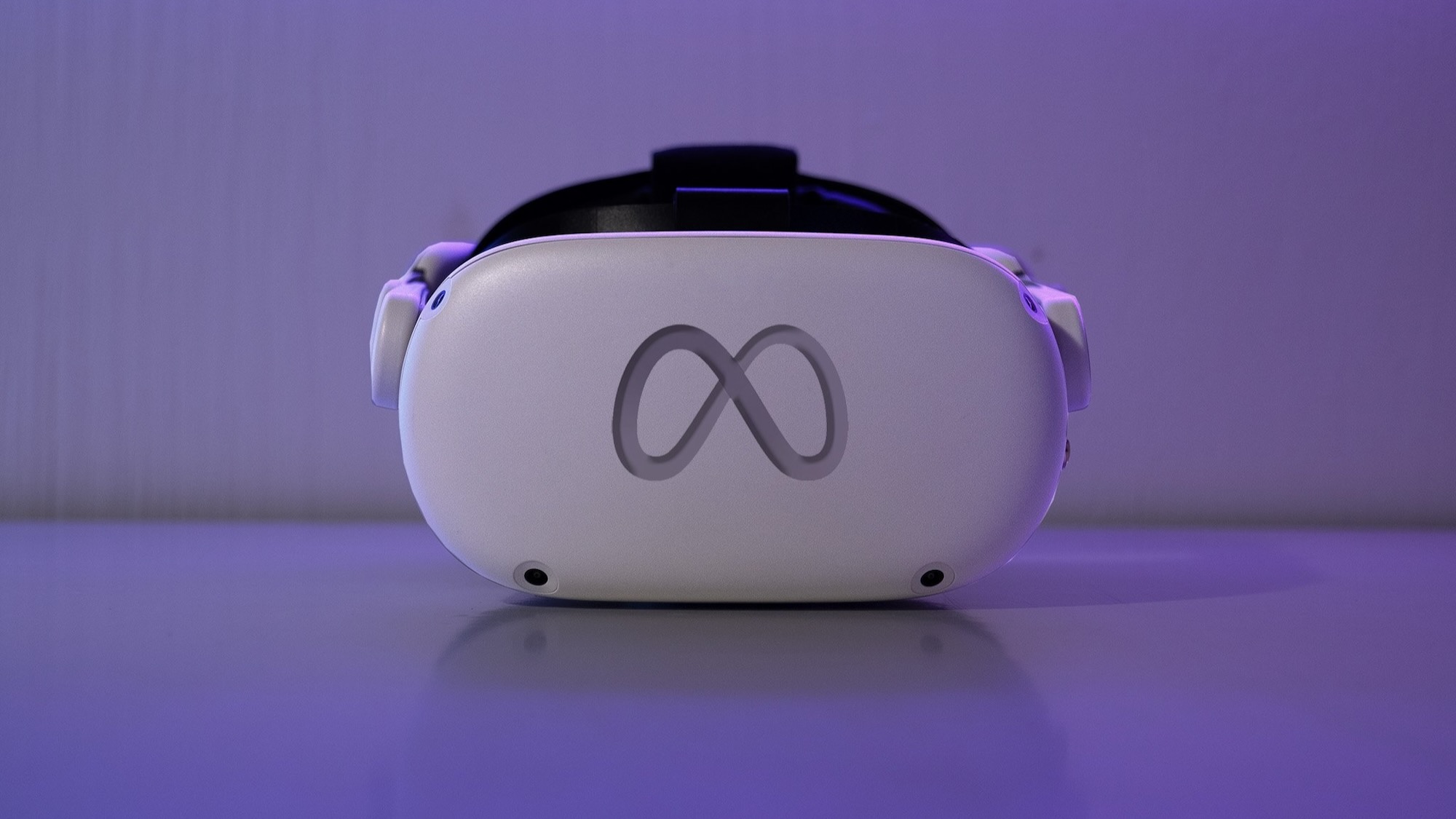
Meta’s official communications have been intentionally cryptic, yet they offer a clear roadmap of the company’s priorities. The event is slated to highlight what the company refers to as its "next computing platform." This terminology—often used by Meta to bridge the gap between its legacy social media empire and its aspirations in the Metaverse—suggests that the company is preparing to move beyond the current limitations of the Quest 2 and Quest 3 headsets.
The event will feature a robust schedule, including evening keynotes and intensive developer sessions designed to deep-dive into the technical architecture of the company’s latest projects. While the specific product lineup remains under wraps, attendees can expect a comprehensive update on:
- VR/AR Hardware: The next generation of wearable devices, including updates to smart glasses and the highly anticipated "Ultralight" Quest project.
- Artificial Intelligence: Further integration of the Muse Spark large language model (LLM) across the Meta ecosystem.
- The Metaverse: New software tools and virtual environment benchmarks that demonstrate the company’s progress in spatial networking.
A Chronology of the Road to Connect 2026
To understand the significance of this September event, one must look at the trajectory Meta has followed over the past eighteen months.
Early 2026: The AI Spending Surge
The narrative for this year was set in the first quarter of 2026, when Meta’s earnings report revealed a staggering 35% increase in operational spending. With $33 billion deployed in just the first three months of the year, it became clear that Mark Zuckerberg’s focus had shifted heavily toward the heavy infrastructure required for advanced AI training.
Spring 2026: The Debut of Muse Spark
Following the capital expenditure announcement, Meta unveiled the Muse Spark LLM. Unlike standard chatbots, Muse Spark was pitched as a "people-first" AI. By leveraging multiple autonomous agents, the system is designed to handle complex, multi-layered tasks with a level of speed and accuracy that puts it in direct competition with platforms like Google’s Gemini and OpenAI’s GPT series.
May 2026: The Call to Action
In May, Meta issued the "Save the Date" announcement for Connect 2026. By choosing to hold the event at their Menlo Park headquarters rather than a remote digital stream, the company is signaling a desire to cultivate a physical community of developers, likely to facilitate the high-stakes collaboration needed to populate their upcoming hardware with meaningful software.
Supporting Data: Why the Stakes are Higher than Ever
The financial data released in Meta’s Q1 2026 report serves as a backdrop for the massive pressure resting on the upcoming Connect event. When a company spends $33 billion in a single quarter, shareholders and the public alike demand tangible results.
The primary challenge for Meta is to justify this expenditure by demonstrating how these investments translate into consumer-facing hardware. While the Quest series has maintained a dominant market share in the standalone VR space, the "next computing platform" requires a shift toward daily-use hardware. This is where the rumored "Ultralight" Quest headset comes into play. If Meta can successfully shrink the form factor of its high-performance VR units while simultaneously improving the battery life and visual fidelity, it could finally bridge the gap between "niche gaming peripheral" and "essential productivity tool."
Furthermore, the integration of Muse Spark into wearables is a logical, albeit difficult, progression. If the company can successfully deploy a low-latency, voice-activated AI assistant into its Ray-Ban Meta glasses, it would solve one of the biggest problems in wearable technology: the lack of a coherent user interface for augmented reality.
Official Responses and Strategic Vision
Meta has maintained a consistent rhetoric regarding its long-term vision. In recent press materials, the company stated that Connect 2026 will explore how their latest advancements can "push the industry forward."
This language is telling. Meta is no longer just competing against other VR manufacturers; they are competing against the smartphone industry. By focusing on "people-first" AI, they are attempting to define the next era of computing as one where the device becomes invisible, and the AI becomes the primary interface.
Industry analysts observing the company’s trajectory note that Meta is positioning itself to own the entire stack—from the underlying silicon and AI models to the headsets and glasses that deliver the experience. This "walled garden" approach, while reminiscent of Apple’s strategy, is being executed with a unique, open-source-adjacent flair that aims to capture the developer community’s loyalty through early access and robust SDK support.
Implications: The Shift Toward Ubiquitous Computing
The implications of what is unveiled at Connect 2026 will ripple across the tech landscape for years to come.
1. The Death of the "Gimmick" Era
For years, VR and AR were viewed by many consumers as gimmicks—expensive toys for gamers. If Meta’s "next computing platform" delivers on the promise of increased productivity, we may see a migration of professional work from desktop monitors to virtual, multi-screen workspaces. This would represent the most significant shift in office ergonomics since the invention of the laptop.
2. The AI-Hardware Symbiosis
The marriage of the Muse Spark LLM with physical hardware is perhaps the most critical development to watch. By utilizing "agentic" workflows, where an AI can proactively complete tasks across various apps, Meta is looking to make the wearable device an indispensable companion. This could fundamentally change how we interact with the world, turning simple glasses into contextual information hubs.
3. Market Dominance vs. Regulation
As Meta consolidates its lead in both VR and AI, it will inevitably draw the attention of regulators. The company’s ability to handle user data within these new, more intimate computing environments will be a primary focus of public scrutiny. How Meta navigates privacy concerns at Connect 2026 will be just as important as the hardware specs they announce.
Conclusion: A Date to Circle
As we look toward September 23, the tech industry finds itself in a state of anticipatory tension. Meta has invested more capital than perhaps any other company in the history of consumer technology into the "Metaverse" and its associated infrastructure. Connect 2026 is the moment where those investments must yield a clear, cohesive, and compelling vision for the average user.
Whether the focus is on the long-awaited Ultralight headset, the expansion of Muse Spark into daily wearables, or entirely new categories of spatial computing, one thing is certain: the conversation at Menlo Park will define the direction of the industry for the remainder of the decade. For those watching the evolution of digital interaction, the September keynote is not just an event; it is a window into the future of how we will live, work, and connect.
Author

Related Posts
Smart Living on a Budget: The Ultimate Guide to Affordable Amazon Alexa Devices in 2026
- 0
- 1,130 word
The landscape of domestic technology has undergone a seismic shift over the last decade. What was once considered a luxury for the...
Read out all
The PCIe 5.0 Dilemma: Why Next-Gen Storage is a Productivity Powerhouse, Not a Gaming Necessity
- 0
- 1,281 word
By Tanveer Singh Published May 13, 2026 The landscape of PC storage has undergone a seismic shift over the past few years....
Read out all
The Evolution of the Drive-Thru: Why McDonald’s is Hitting the Reset Button on AI Order-Taking
- 0
- 1,133 word
In a significant pivot for the fast-food industry’s digital transformation, McDonald’s has announced the conclusion of its long-running test of Automated Order...
Read out all
An Era Ends: Reflecting on Eight Years of ‘The Internet of Things Podcast’
- 0
- 1,243 word
After an influential eight-year run that helped define the discourse surrounding the connected world, The Internet of Things Podcast has officially broadcast...
Read out all
Silent Speakers and Crystal-Clear Displays: The Definitive Guide to Eliminating A/V Noise
- 0
- 1,179 word
There is nothing more frustrating for an enthusiast than the "unboxing high"—that moment of anticipation when you plug in your new high-end...
Read out all
Eufy Redefines Automated Home Care: Unveiling the Flagship Omni S2 Robot Vacuum and Mop
- 0
- 1,128 word
In an era where smart home automation is rapidly evolving from a luxury into a household necessity, Eufy has firmly positioned itself...
Read out all